

When it comes to maintaining a large garden, having the right garden pump is crucial. A well - chosen pump can ensure that your plants receive adequate water, keep your fountains running smoothly, and make overall garden maintenance a breeze. As a seasoned garden pumps supplier, I've encountered numerous customers grappling with the question: "What size garden pump do I need for a large garden?" In this blog, I'll break down the key factors to consider when sizing a garden pump for your expansive green space.
Understanding the Basics of Garden Pumps
Before delving into the sizing process, it's essential to have a basic understanding of the different types of garden pumps available. There are several common types, each with its own set of features and applications.
-
Cast Iron Garden Pump: These pumps are known for their durability and strength. Cast iron construction can withstand harsh weather conditions and is resistant to corrosion. They are suitable for a variety of garden applications, including watering large areas and powering water features. Cast Iron Garden Pump
-
Garden Centrifugal Pumps: Centrifugal pumps are popular for their ability to move large volumes of water quickly. They work by using an impeller to create centrifugal force, which draws water into the pump and then expels it at high pressure. This makes them ideal for tasks such as filling large ponds or irrigating extensive garden beds. Garden Centrifugal Pumps
-
Garden Jet Pump: Jet pumps are often used when the water source is below the pump level. They use a jet assembly to create a vacuum, which draws water up from the source. Jet pumps can be self - priming, making them convenient for gardeners. Garden Jet Pump

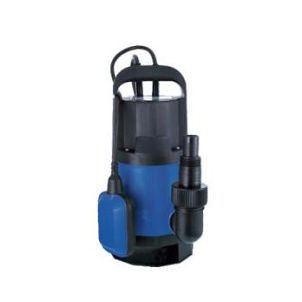
Factors to Consider When Sizing a Garden Pump
Water Volume Requirements
The first step in determining the right pump size is to calculate the amount of water your garden needs. This depends on several factors, including the size of your garden, the type of plants you have, and the climate in your area.
- Garden Size: Larger gardens obviously require more water. Measure the square footage of your garden and estimate the amount of water needed per square foot. For example, a vegetable garden may need more water than a flower bed with drought - tolerant plants.
- Plant Types: Different plants have different water requirements. Succulents and cacti need less water compared to tropical plants or vegetables. Research the water needs of your specific plants and calculate the total water volume based on the number of each type in your garden.
- Climate: In hot and dry climates, your garden will lose water more quickly through evaporation, so you'll need a pump that can supply a larger volume of water. Conversely, in cooler and more humid climates, the water requirements may be lower.
Head Height
Head height refers to the vertical distance that the pump needs to lift the water. This includes the distance from the water source (such as a well or a pond) to the highest point where the water will be used, as well as any additional losses due to friction in the pipes.
- Static Head: This is the vertical distance from the water source to the highest point of the water discharge. For example, if your water source is at ground level and you're watering plants on a raised bed that is 5 feet high, the static head is 5 feet.
- Friction Head: As water flows through pipes, it encounters friction, which reduces the pressure and flow rate. The friction head depends on the length, diameter, and material of the pipes, as well as the flow rate of the water. Longer pipes, smaller diameters, and rough - surfaced pipes will result in higher friction heads.
To calculate the total head height, add the static head and the friction head. A pump needs to be able to generate enough pressure to overcome the total head height to deliver water effectively.
Flow Rate
The flow rate of a pump is measured in gallons per minute (GPM) or liters per minute (LPM). It indicates how much water the pump can move in a given period. To determine the required flow rate for your garden, consider the number of watering points and the amount of water each point needs.
- Watering Points: If you have multiple sprinklers, drip irrigation systems, or fountains in your garden, each one will require a certain amount of water. Add up the flow requirements of all the watering points to get the total flow rate needed.
- Watering Frequency: Some plants may require frequent, light watering, while others may need less frequent but deeper watering. Adjust the flow rate based on your watering schedule and the needs of your plants.
Calculating the Right Pump Size
Once you have determined the water volume requirements, head height, and flow rate, you can use these values to select the appropriate pump size. Most pump manufacturers provide performance curves that show the relationship between the head height and the flow rate for each pump model.
- Matching the Requirements: Look for a pump that can deliver the required flow rate at the calculated head height. Make sure to choose a pump with a slightly higher capacity than your calculated requirements to account for any future expansion or changes in your garden.
- Efficiency: Consider the efficiency of the pump. A more efficient pump will use less energy to deliver the same amount of water, which can save you money on your electricity bills in the long run.
Additional Considerations
Power Source
Garden pumps can be powered by electricity, gasoline, or solar energy. Each power source has its own advantages and disadvantages.
- Electric Pumps: Electric pumps are convenient and easy to use. They are typically more energy - efficient than gasoline pumps and are suitable for most garden applications. However, they require a nearby power source.
- Gasoline Pumps: Gasoline pumps are more powerful and can be used in remote areas where electricity is not available. They are often used for large - scale irrigation projects. However, they require regular maintenance and produce emissions.
- Solar Pumps: Solar pumps are environmentally friendly and can be a cost - effective option in areas with plenty of sunlight. They are ideal for small to medium - sized gardens and can operate independently of the power grid.
Noise Level
If your garden is close to your living area or your neighbors', you may want to consider the noise level of the pump. Some pumps, especially gasoline - powered ones, can be quite noisy. Look for pumps with low - noise operation to minimize any disturbance.
Making the Right Choice
Choosing the right size garden pump for your large garden is a complex decision that requires careful consideration of multiple factors. As a garden pumps supplier, I recommend taking the time to assess your garden's specific needs and doing thorough research on the available pump models.
If you're still unsure about which pump is right for you, don't hesitate to reach out. Our team of experts is here to help you make an informed decision. We can provide personalized advice based on your garden's unique requirements and offer a wide range of high - quality garden pumps to suit your needs. Whether you're looking for a Cast Iron Garden Pump, Garden Centrifugal Pumps, or Garden Jet Pump, we've got you covered. Contact us today to start the procurement discussion and take the first step towards a well - watered and thriving garden.
References
- "Garden Pump Handbook" - A comprehensive guide to garden pump selection and operation.
- Manufacturer specifications and performance curves for various garden pump models.
- Research studies on water requirements for different plant types and garden sizes.