

If you're here, you're probably knee-deep in researching solar surface water pumps-whether you're a small farm owner looking to irrigate a plot of veggies, a rural homeowner tired of sky-high electricity bills for well water, or someone just curious how these off-grid systems actually work. One question I get all the time as a solar pump supplier is: What's the pressure output of a solar surface water pump? It's not a one-size-fits-all answer, but that's exactly why I'm breaking this down like I chat with my clients every day-no jargon, just real info you can use.
First, let's get one thing straight: solar surface water pumps aren't like the noisy grid-powered pump you might have under your old kitchen sink. They run on photovoltaic (PV) panels, so their pressure depends on way more than just the pump itself. But before we dive into the numbers, let's quickly cover the three main types of solar surface water pumps we sell (and which ones apply here, because pressure varies per type).
We've got three core lines that most folks ask about: Solar Centrifugal Pumps, Solar Peripheral Pumps, and Solar Jet Pumps. Each is built for different jobs, so their pressure outputs are tailored to that use case. Let's start with the most popular for larger tasks: solar centrifugal pumps. These bad boys are designed for moving a lot of water over medium distances, like irrigating a 10-acre cornfield or filling a livestock trough that's 30 feet up a hill. Their pressure output? Typically between 10 and 70 PSI (pounds per square inch)-wait, that's a big range, I know. But that's because you size them based on your needs. If you just need to push water 10 feet to a garden, you'll get the lower end; if you need to get it 100 feet up to a storage tank, you'll bump up to the higher PSI. They work best with deeper wells or open bodies of water (like a pond) because they pull water from the surface and push it horizontally or vertically. If you want to geek out more on how these are calibrated, check out the link for Solar Centrifugal Pumps to see specs for our current models.
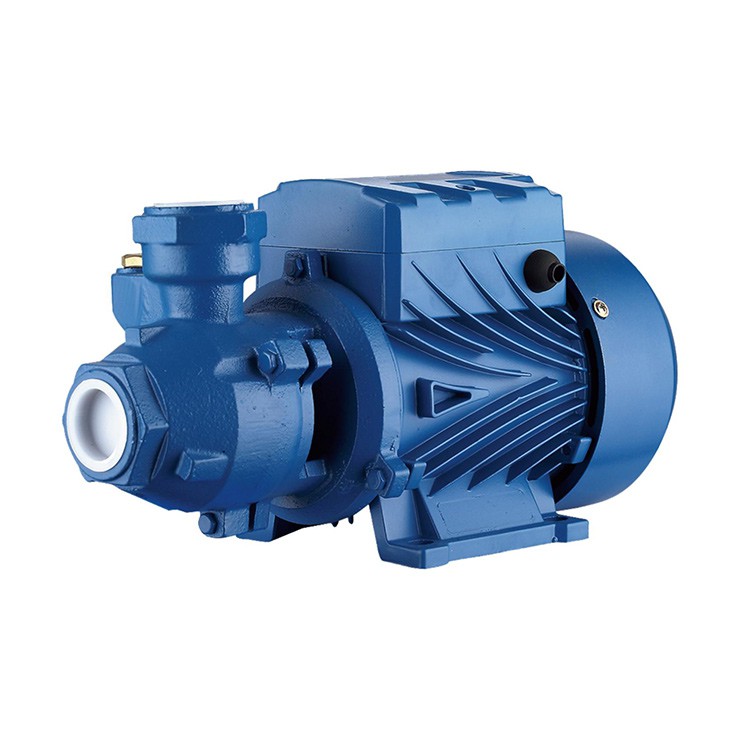
Next up are solar peripheral pumps. These are the workhorses for smaller tasks, right? If you're watering a tiny backyard garden, filling a pool, or washing your car off-grid, these are your go-to. Their pressure is on the lower side, usually between 10 and 30 PSI. Why so low? Because they have an impeller that's smaller and spins faster to create enough suction for shallow depths-most are for wells 25 feet or less, or even just pumping from a rain barrel. You won't use these for lifting water super high, but they're perfect for everyday light-duty jobs. The link for Solar Peripheral Pumps has all the deets on flow rates paired with their pressure, so you can see if they fit your small-scale project.
Then there's solar jet pumps, which strike a balance between the two. These are great for wells that are a bit deeper-think 25 to 100 feet deep-so they need a bit more oomph to pull water up from below ground and push it to your home or field. Their pressure ranges from 20 to 50 PSI. That middle ground makes them super versatile: they can handle light irrigation, filling a home's main water tank, even pressure-washing small surfaces. If you need a pump that's not too big or too small, solar jet pumps are a solid pick, and the link for Solar Jet Pumps will show you how their pressure stacks up against our other models.
Now, let's get real about why the pressure isn't a fixed number. I've had clients come in saying, "Hey, your site says 50 PSI-why isn't my pump hitting that?" There are three big factors that mess with pressure, and I can't skip these because they're what make or break a good pump install.
First: depth and lift. The deeper the water source, the more pressure you need just to pull it up. For example, if you have a well that's 50 feet deep, you need enough pressure to overcome that vertical distance-so a pump rated for 30 PSI might only hit 20 PSI at that depth. It's like sucking a milkshake through a super long straw; the longer the straw, the harder you have to pull. That's not a flaw in the pump, that's just physics.
Second: panel size and sunlight. Solar pumps only run when the sun's out, right? So if you have a small PV panel (like 200 watts) and it's a cloudy day, your pump won't spin as fast, so pressure will drop. On a bright, sunny day with a full-size panel (like 500 watts), you'll hit that rated PSI. I always tell clients to oversize their panels by 20% if they live in a place with frequent overcast skies-small trick to keep pressure steady.
Third: pipe size and friction. If you're using tiny, cheap pipes, the water has to squeeze through a narrow space, which slows it down and lowers pressure. It's like driving on a backroad vs. a highway-more space = less friction. I recommend using 1-inch or larger pipes for most installs to keep pressure where you want it.
Wait, let's test this with a real example. Last month, a client named Mike from Iowa reached out because his old grid pump was costing him $150 a month, and he wanted a solar one. He had a 40-foot deep well, wanted to water his 2-acre hay field and fill his house's water tank. We went with a solar jet pump, sized for 40 PSI, with a 500-watt panel. On a sunny day, he's getting 35 PSI-perfect for his needs-because the 40-foot lift knocked 5 PSI off the rated pressure. On cloudy days, it drops to 25 PSI, which is still enough to keep the hay watered, no problem. That's the stuff I live for-matching a pump to a real job, not just the numbers on a spec sheet.
Another common question: Is PSI the only pressure measure I need to care about? No, flow rate (gallons per minute, or GPM) is just as important. A pump might have 50 PSI, but if it only moves 2 GPM, that's not enough to water a garden. Our solar centrifugal pumps, for example, might have 60 PSI but 10 GPM-great for big farms. The peripheral pumps have 20 PSI but 5 GPM-perfect for small gardens. Always ask for both numbers when shopping, not just pressure.
I should also mention that solar surface pumps are different from submersible solar pumps, just to avoid confusion. Submersibles go inside the well, so they don't have to pull water up as far, which means their pressure can be higher. But surface pumps sit on the ground next to the well or pond, which is why their pressure is lower (they have to suck water from the surface, not push it from below). That's a key difference-if you have a deep well, a submersible is better, but if you have a shallow well or a pond on your property, a surface pump is the way to go.
Back to the original question: So what's the actual pressure output? For most residential or small agricultural uses, you're looking at 10 to 50 PSI, with centrifugal pumps for larger jobs hitting up to 70 PSI. That range covers 90% of the clients I work with. If you need more than 70 PSI, you're probably doing something like pressure-washing commercial equipment or filling a multi-story building, and you'll need a custom setup, but that's rare for regular folks.
Here's the pro tip I give every new client: Don't chase the highest PSI. Chase the PSI that matches your job. If you're just watering tomatoes, you don't need 70 PSI-you'll waste solar power and pay more for a bigger pump. Stick to what you need, and you'll have a system that works for years without headaches.
Now, if you're ready to figure out which pump is right for your pressure needs, feel free to reach out to our team for a custom quote. We'll ask about your water source depth, how much water you need, and how far you're pushing it, and we'll point you to the right model-whether that's a centrifugal, peripheral, or jet pump.
Wait, just to make sure I didn't miss anything. Let's recap: Solar surface water pump pressure ranges by type:
- Solar Centrifugal Pumps: 10–70 PSI (best for medium to large irrigation, ponds, medium wells)
- Solar Peripheral Pumps: 10–30 PSI (best for small gardens, pools, rain barrels, shallow water sources)
- Solar Jet Pumps: 20–50 PSI (best for medium-depth wells, home water systems, light irrigation)
And the big factors that tweak pressure: lift depth, panel size, pipe size. That's all the real-world stuff you won't find on a generic spec sheet.
I know researching solar pumps can feel overwhelming, but it doesn't have to be. At the end of the day, pressure is just a number-what matters is that it works for your specific situation. If you have questions about any of our models, our team's here to help. Drop us a line to chat through your needs, and we'll get you set up with a system that saves you money and works reliably for years.

References
- Solar Water Pump Association. (2022). "Pressure and Flow Rate Specifications for Photovoltaic-Powered Water Pumps." Retrieved from industry technical guides for solar water systems.
- International Code Council. (2021). "Residential Well Pump Installation Standards: Lift and Pressure Requirements." Applied to surface pump system design.
- AB Solar Water Pumps. (2024). Product technical data for solar centrifugal, peripheral, and jet pump lines. Retrieved from the brand's official resource library.
- U.S. Department of Energy. (2023). "Off-Grid Solar Water Pumping: Key Factors for Performance and Sizing." DOE Renewable Energy Office technical report.