

As a supplier of centrifugal tank pumps, I often get asked about the head range of these pumps. So, I thought I'd write a blog post to explain what it is and why it matters.
First off, let's talk about what "head" means in the context of a centrifugal tank pump. Head is basically the height that a pump can lift water or other fluids. It's measured in feet or meters, and it's a crucial factor when you're choosing a pump for your specific needs.
The head range of a centrifugal tank pump refers to the minimum and maximum head that the pump can achieve. Different pumps have different head ranges, and this range depends on a few key factors.
One of the main factors is the pump's design. Centrifugal pumps work by using an impeller to spin and create a centrifugal force that moves the fluid. The size and shape of the impeller, as well as the number of stages in the pump, can have a big impact on the head range.
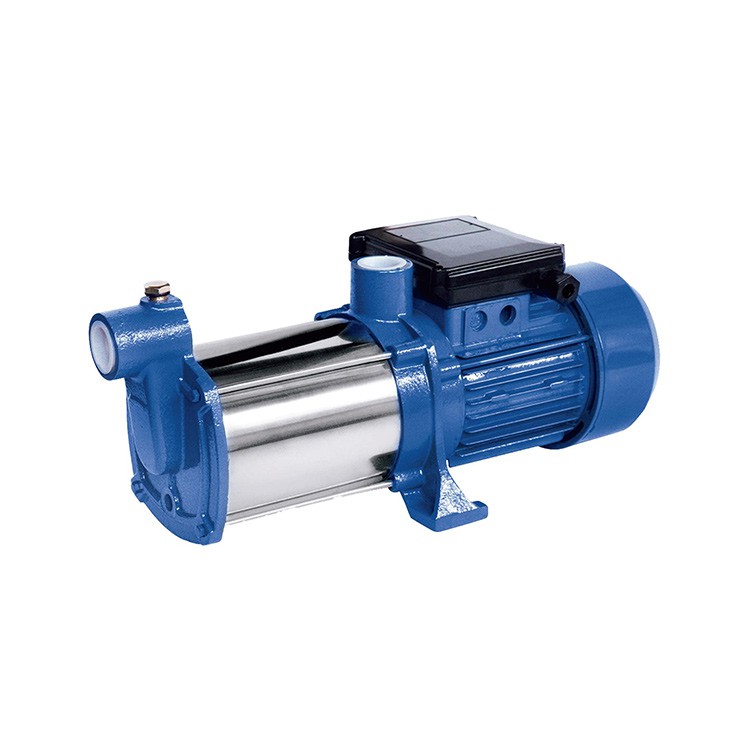
For example, single - stage centrifugal pumps usually have a lower head range compared to multistage centrifugal pumps. Single - stage pumps are simpler in design, with just one impeller. They're great for applications where you don't need to lift the fluid to a very high height. You can check out Multistage Centrifugal Pumps on our website to learn more about the more powerful multistage options.
Another factor that affects the head range is the pump's speed. Generally, the faster the impeller spins, the higher the head the pump can generate. But there are limits to this, as running the pump too fast can cause issues like excessive wear and tear, and it might also increase energy consumption.
The type of fluid being pumped also plays a role. If you're pumping a thick or viscous fluid, the pump will have a harder time moving it, and the head range will be lower compared to when you're pumping water.
Let's take a look at some common head ranges for different types of centrifugal tank pumps. For small, domestic - use centrifugal pumps, like the Centrifugal Pump for Home, the head range might be anywhere from 10 to 50 feet. These pumps are typically used for things like watering the garden, filling small tanks, or supplying water to a single - family home.
For larger industrial or commercial centrifugal tank pumps, the head range can be much higher. Some industrial pumps can achieve heads of several hundred feet. These pumps are used in applications such as water supply for large buildings, industrial processes that require high - pressure fluid transfer, and in some cases, for pumping water from deep wells.
Stainless steel centrifugal water pumps, like the ones we offer on Stainless Steel Centrifugal Water Pumps, are often used in applications where corrosion resistance is important. Their head range can vary depending on their size and design, but they generally follow the same principles as other centrifugal pumps.
Now, why is the head range so important? Well, if you choose a pump with a head range that's too low for your application, the pump won't be able to lift the fluid to the required height. This can lead to poor performance, and in some cases, the pump might not work at all.
On the other hand, if you choose a pump with a head range that's much higher than you need, you'll end up spending more money on the pump and also using more energy than necessary. So, it's really important to accurately assess your needs and choose a pump with an appropriate head range.
When you're determining the head range you need, you should consider the vertical distance the fluid needs to be lifted, as well as any additional factors like friction losses in the pipes. Friction losses occur when the fluid moves through the pipes, and they can reduce the effective head of the pump. You can calculate these losses using some basic engineering formulas, or you can consult with a professional if you're not sure.
In addition to the head range, you also need to consider the flow rate of the pump. Flow rate is the volume of fluid that the pump can move in a given amount of time, usually measured in gallons per minute (GPM) or liters per second (L/s). The head and flow rate of a pump are related, and you can find this relationship on the pump's performance curve.
The performance curve is a graph that shows how the head and flow rate of a pump change depending on each other. By looking at the performance curve, you can choose the right pump that meets both your head and flow rate requirements.
As a centrifugal tank pump supplier, we have a wide range of pumps to suit different head ranges and applications. Whether you're a homeowner looking for a simple pump for your garden or an industrial client in need of a high - performance pump for a complex process, we can help you find the right solution.
If you're not sure which pump is the best fit for your needs, don't hesitate to reach out to us. Our team of experts is always ready to assist you in choosing the right centrifugal tank pump based on your specific head range and other requirements. We can provide you with detailed information about our products, help you with installation and maintenance, and offer competitive prices.
So, if you're in the market for a centrifugal tank pump, get in touch with us today. Let's start a conversation and find the perfect pump for your project.

References
- "Pump Handbook" by Igor J. Karassik, Joseph P. Messina, Paul Cooper, and Charles C. Heald
- Various industry standards and guidelines related to centrifugal pumps