

Hey there! As a supplier of solar surface water pumps, I often get asked if these pumps can be used in hilly areas. Well, let's dive right into this topic and find out.
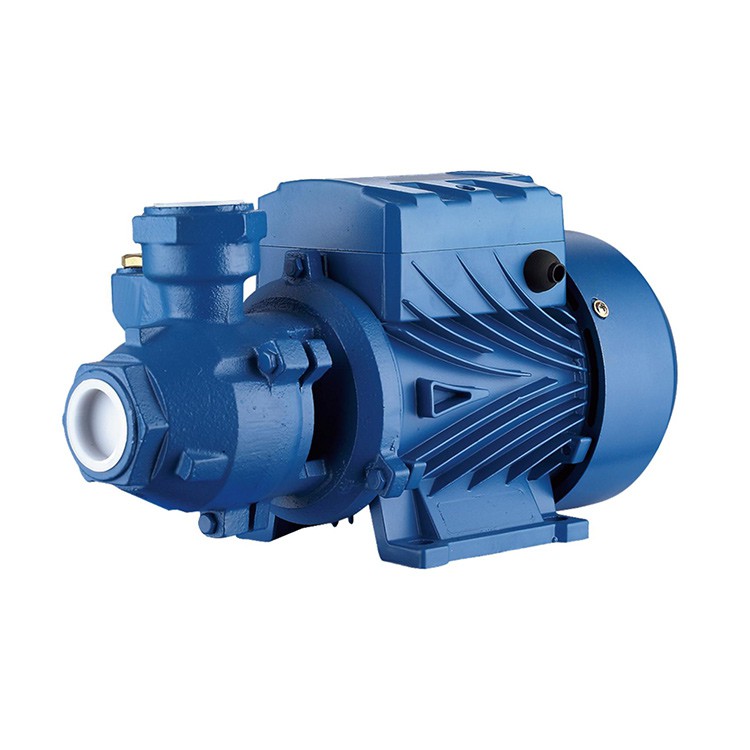
First off, let's understand what a solar surface water pump is. It's a pump that uses solar energy to draw water from a source like a pond, river, or well. These pumps are eco - friendly and cost - effective in the long run since they rely on the sun's energy instead of traditional electricity or fuel. There are different types of solar surface water pumps, such as Solar Centrifugal Pumps, Solar Jet Pumps, and Solar Peripheral Pumps. Each type has its own features and is suitable for different applications.
Now, let's talk about hilly areas. Hilly areas have their own unique challenges when it comes to water pumping. The terrain is uneven, and the elevation changes can be significant. These factors can have a big impact on how well a water pump works.

One of the main challenges in hilly areas is the vertical lift. Vertical lift refers to the height that the pump needs to raise the water. In hilly regions, you might need to pump water up a steep slope to reach a storage tank or an irrigation area. This requires a pump with enough power to overcome the gravitational force.
Solar surface water pumps can handle vertical lift, but it depends on the type and capacity of the pump. For instance, solar centrifugal pumps are great for high - flow applications. They can move a large volume of water, but they might struggle with very high vertical lifts. On the other hand, solar jet pumps are designed to handle higher vertical lifts. They use a jet assembly to increase the pressure and can pump water to greater heights.
Another challenge in hilly areas is the distance between the water source and the point of use. In some cases, the water source might be located at the bottom of a valley, while the area where the water is needed is at the top of a hill. This means that the pump needs to push the water over a long horizontal distance.
When it comes to horizontal distance, the friction in the pipes can cause a loss of pressure. Solar surface water pumps need to be powerful enough to maintain the pressure and ensure that the water reaches its destination. Some pumps come with features like high - pressure capabilities and efficient impellers to reduce the impact of friction.
The availability of sunlight in hilly areas is also a factor to consider. Hilly terrain can create shading, which might reduce the amount of sunlight that the solar panels receive. If the solar panels don't get enough sunlight, the pump won't have enough power to operate effectively.
However, there are ways to overcome this issue. You can install the solar panels in an area that gets the most sunlight, such as on a south - facing slope. You can also use tracking systems that adjust the angle of the solar panels to follow the sun throughout the day. This ensures that the panels receive the maximum amount of sunlight possible.
Let's take a look at some real - life examples. There are many farmers in hilly regions who use solar surface water pumps for irrigation. They find that these pumps are a great alternative to traditional pumps. Solar pumps are more affordable to operate since they don't require fuel or electricity from the grid. They also have a lower environmental impact.
For example, in a small village in the mountains, a group of farmers installed solar jet pumps to irrigate their crops. The water source was a small stream at the bottom of the hill, and the fields were located on the slopes. The solar jet pumps were able to lift the water up the hill and distribute it evenly across the fields. The farmers were happy with the performance of the pumps and saw an increase in their crop yields.
Now, let's talk about the installation and maintenance of solar surface water pumps in hilly areas. Installation can be a bit more challenging compared to flat areas. You need to make sure that the pump is installed on a stable surface and that the pipes are properly laid to avoid any leaks.
Maintenance is also important. Regular checks of the solar panels, the pump, and the pipes are necessary to ensure that everything is working properly. You should clean the solar panels regularly to remove any dirt or debris that might block the sunlight. You also need to check the pump for any signs of wear and tear and replace any damaged parts as soon as possible.
In conclusion, solar surface water pumps can definitely be used in hilly areas. While there are some challenges, such as vertical lift, horizontal distance, and sunlight availability, these can be overcome with the right pump selection and installation techniques.
If you're in a hilly area and are looking for a reliable and cost - effective water pumping solution, consider using solar surface water pumps. We, as a solar surface water pump supplier, have a wide range of pumps to choose from. Whether you need a pump for irrigation, livestock watering, or domestic use, we can help you find the right one for your needs.
If you're interested in learning more about our products or have any questions, feel free to reach out to us. We're always happy to have a chat and help you make the best decision for your water pumping needs. Let's work together to make water pumping in hilly areas easier and more sustainable.
References
- "Solar Water Pumping Systems: Design and Installation Guide" by International Renewable Energy Agency
- "Water Pumping Handbook" by Igor J. Karassik et al.