

Hey there! I'm a supplier of Solar Deep Well Pumps, and I've been getting a lot of questions lately about how the energy consumption of solar deep well pumps stacks up against electric pumps. So, I thought I'd take a deep dive into this topic and share some insights with you all.
Let's start by understanding the basic working principles of these two types of pumps. Electric pumps are the more traditional option. They run on electricity from the grid, which means they're connected to your local power supply. When you turn them on, they draw electrical energy and use it to power a motor that drives the pump mechanism. This motor can be quite powerful, especially for deep well applications where you need to lift water from significant depths.
On the other hand, Solar Powered Water Pumps for Deep Wells rely on solar energy. They come with solar panels that capture sunlight and convert it into electrical energy through the photovoltaic effect. This electricity is then used to run the pump. The great thing about solar pumps is that they're self - sufficient in terms of energy generation as long as there's sunlight.
Now, let's talk about energy consumption. Electric pumps are constantly drawing power from the grid. The amount of energy they use depends on several factors, like the pump's horsepower, the depth of the well, and the flow rate required. For instance, a high - horsepower electric pump used in a deep well with a high flow rate will consume a significant amount of electricity. This can lead to high electricity bills, especially if the pump is running for long periods.

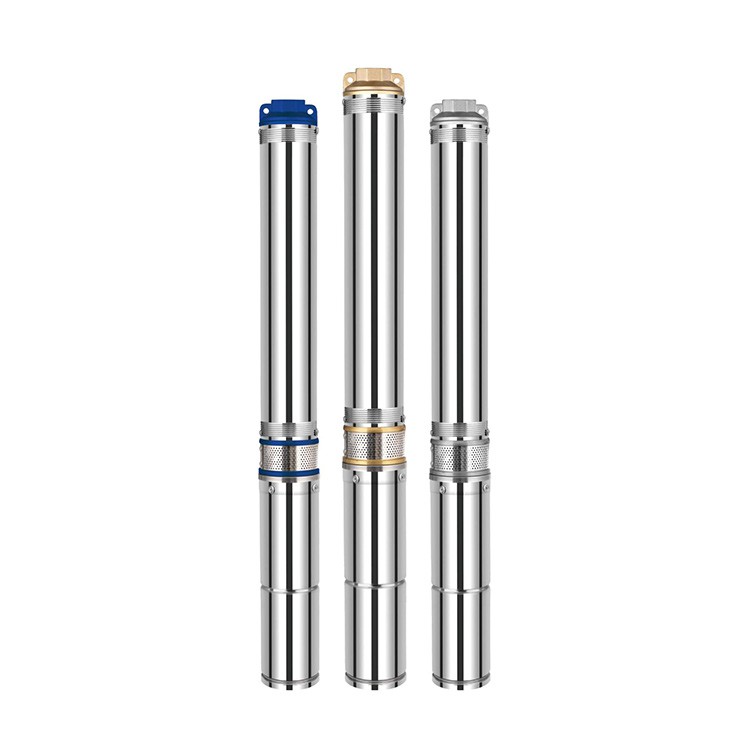
In contrast, solar deep well pumps have zero energy consumption from the grid. Once you've installed the solar panels and the pump system, the only "cost" in terms of energy is the sunlight, which is free. However, it's important to note that the efficiency of solar pumps depends on the amount of sunlight available. On cloudy days or during the night, the pump may not operate at full capacity or may not work at all, unless you have a battery storage system in place.
Let's look at some real - world numbers to get a better understanding. A typical electric deep well pump with a 1 - horsepower motor might consume around 746 watts per hour (since 1 horsepower is approximately equal to 746 watts). If this pump runs for 8 hours a day, it will consume about 5,968 watt - hours or 5.968 kilowatt - hours (kWh) of electricity per day. Over a month (assuming 30 days), that's 179.04 kWh. And depending on your local electricity rates, this can add up to a substantial amount on your bill.
For a Solar Powered Submersible Deep Well Water Pumps, let's say you have a system with a 500 - watt solar panel array. On a sunny day, this system can generate a significant amount of power. If the solar panels receive an average of 5 hours of direct sunlight per day, they can generate around 2,500 watt - hours or 2.5 kWh of electricity. This may be enough to power a small to medium - sized solar deep well pump for several hours.
Another aspect to consider is the long - term energy consumption and cost. Electric pumps require a continuous supply of electricity, and as electricity prices tend to rise over time, your pumping costs will also increase. With solar pumps, the initial investment in the solar panel system and the pump itself is relatively high. But once you've made that investment, you're essentially free from the rising costs of grid - based electricity.
In terms of environmental impact, electric pumps that rely on fossil - fuel - based electricity generation contribute to greenhouse gas emissions. Solar deep well pumps, on the other hand, produce clean energy and have a much lower carbon footprint. This is an important factor for many consumers who are looking to reduce their environmental impact.
Now, I know that solar pumps may seem like the obvious choice with all these benefits. But they do have some limitations. As I mentioned earlier, their performance is highly dependent on sunlight. And if you need a constant and high - volume water supply, you may need to invest in a larger solar panel system and a battery storage system to ensure continuous operation.
If you're in a situation where you have a reliable grid connection and need a pump that can operate 24/7 without being affected by weather conditions, an electric pump might be a better option. However, if you're in a remote area with limited or no access to the grid, or if you're looking to save on energy costs and reduce your environmental impact, Solar Deep Well Pumps are definitely worth considering.
I hope this blog post has given you a better understanding of the energy consumption differences between solar deep well pumps and electric pumps. If you're interested in learning more about our solar deep well pump products or have any questions about which pump would be best for your specific needs, feel free to reach out. We're here to help you make an informed decision and find the perfect pumping solution for you.
References:
- General knowledge of pump technology and energy consumption
- Industry reports on solar and electric pump efficiency