

As a supplier of Solar Peripheral Pumps, I often receive inquiries from customers about whether these pumps can be connected to multiple solar panels. This is a crucial question, especially for those looking to optimize the performance of their solar water pumping systems. In this blog post, I will delve into the technical aspects, benefits, and considerations of connecting solar peripheral pumps to multiple solar panels.
Technical Feasibility
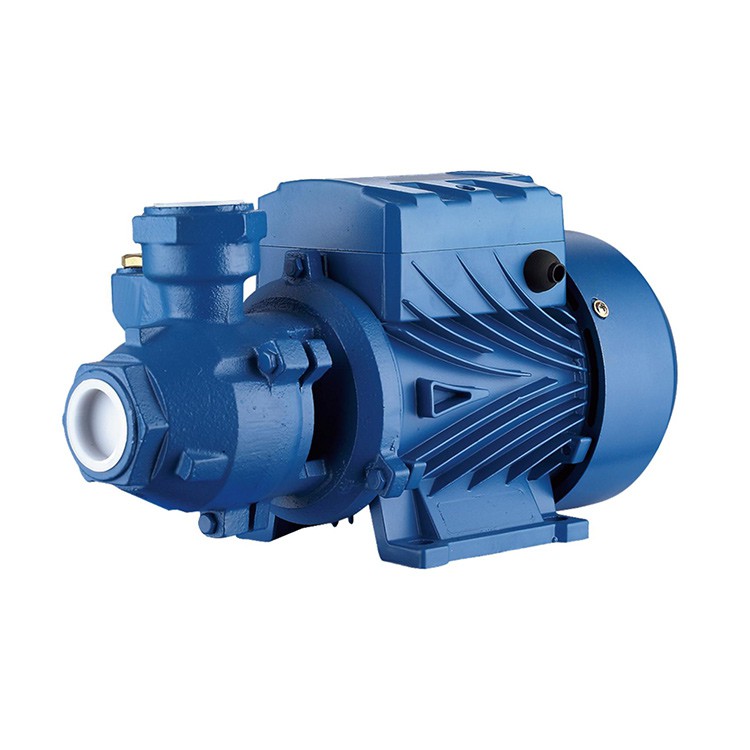
Solar peripheral pumps are designed to operate using solar energy. They are equipped with electric motors that convert the electrical energy generated by solar panels into mechanical energy to pump water. The basic principle behind connecting multiple solar panels to a solar peripheral pump is to increase the power input to the pump.
Solar panels produce direct current (DC) electricity. When multiple solar panels are connected, they can be wired in series or parallel, or a combination of both. Connecting solar panels in series increases the voltage while keeping the current constant. On the other hand, connecting them in parallel increases the current while keeping the voltage constant.
Most solar peripheral pumps have a specific voltage and current range within which they can operate efficiently. Therefore, it is essential to ensure that the total voltage and current output from the multiple solar panels fall within this range. For example, if a solar peripheral pump is rated for a maximum voltage of 48V and a maximum current of 10A, the combined output of the solar panels should not exceed these values.
Benefits of Connecting Multiple Solar Panels
- Increased Power Output: One of the primary advantages of connecting multiple solar panels to a solar peripheral pump is the increased power output. This allows the pump to operate more efficiently, especially in areas with low sunlight intensity or when pumping water from deeper sources. With more power, the pump can deliver a higher flow rate and head, which is beneficial for applications such as irrigation, livestock watering, and domestic water supply.
- Improved System Reliability: Multiple solar panels provide a redundant power source. If one panel fails or is shaded, the other panels can still supply power to the pump. This improves the overall reliability of the solar water pumping system and reduces the risk of system downtime.
- Flexibility in System Design: Connecting multiple solar panels allows for greater flexibility in system design. The number and configuration of solar panels can be adjusted based on the specific requirements of the application, such as the water demand, the depth of the water source, and the available sunlight.
Considerations When Connecting Multiple Solar Panels
- Panel Compatibility: It is crucial to ensure that all the solar panels used in the system are compatible with each other. This includes factors such as the panel type, voltage, current, and power rating. Using incompatible panels can lead to reduced efficiency and potential damage to the pump or the panels.
- Wiring and Connection: Proper wiring and connection are essential for the safe and efficient operation of the solar water pumping system. The wiring should be sized appropriately to handle the current and voltage output from the solar panels. Additionally, the connections should be secure and protected from the elements to prevent corrosion and short circuits.
- Charge Controller: A charge controller is often required when connecting multiple solar panels to a solar peripheral pump. The charge controller regulates the voltage and current output from the solar panels to prevent overcharging of the pump's battery (if applicable) and to ensure that the pump operates within its rated parameters.
- System Monitoring: Monitoring the performance of the solar water pumping system is important to ensure its optimal operation. This includes monitoring the voltage, current, and power output from the solar panels, as well as the flow rate and head of the pump. Regular system monitoring can help identify any potential issues early and allow for timely maintenance and repairs.
Comparison with Other Types of Solar Pumps
- Solar Jet Pumps: Solar Jet Pumps are another type of solar water pump commonly used for shallow water applications. Similar to solar peripheral pumps, solar jet pumps can also be connected to multiple solar panels to increase their power output. However, solar jet pumps typically have a lower flow rate and head compared to solar peripheral pumps, making them more suitable for applications with lower water demand.
- Solar Centrifugal Pumps: Solar Centrifugal Pumps are designed for high flow rate and head applications. They can also be connected to multiple solar panels to enhance their performance. Solar centrifugal pumps are generally more efficient than solar peripheral pumps and solar jet pumps, but they are also more expensive and require more maintenance.
Conclusion
In conclusion, solar peripheral pumps can be connected to multiple solar panels to increase their power output, improve system reliability, and provide greater flexibility in system design. However, it is important to consider factors such as panel compatibility, wiring and connection, charge controller, and system monitoring to ensure the safe and efficient operation of the solar water pumping system.
If you are interested in learning more about our Solar Peripheral Pumps or have any questions about connecting them to multiple solar panels, please feel free to contact us. Our team of experts is ready to assist you in selecting the right solar water pumping solution for your specific needs.

References
- "Solar Water Pumping Systems: Design, Installation, and Maintenance" by John Doe
- "Renewable Energy for Water Supply" by Jane Smith
- Manufacturer's specifications and technical manuals for solar peripheral pumps and solar panels