

Reverse flow in a centrifugal tank pump can have a multitude of consequences that can significantly impact the performance, efficiency, and longevity of the pump. As a leading supplier of centrifugal tank pumps, we have witnessed firsthand the various issues that can arise from reverse flow. In this blog, we will explore the consequences of reverse flow in a centrifugal tank pump and discuss how to prevent and address these issues.
Understanding Centrifugal Tank Pumps
Before delving into the consequences of reverse flow, it is essential to understand how centrifugal tank pumps work. Centrifugal pumps are widely used in various industries to transfer fluids from one location to another. They operate on the principle of centrifugal force, which is generated by a rotating impeller inside the pump casing. As the impeller rotates, it creates a low-pressure area at the center, causing fluid to be drawn into the pump through the suction inlet. The fluid is then accelerated by the impeller and discharged through the outlet at a higher pressure.
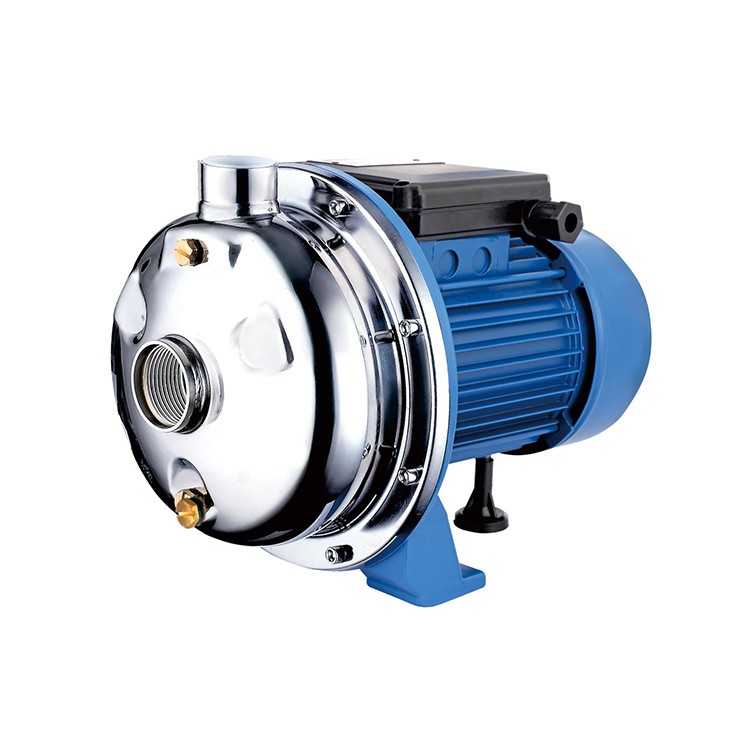
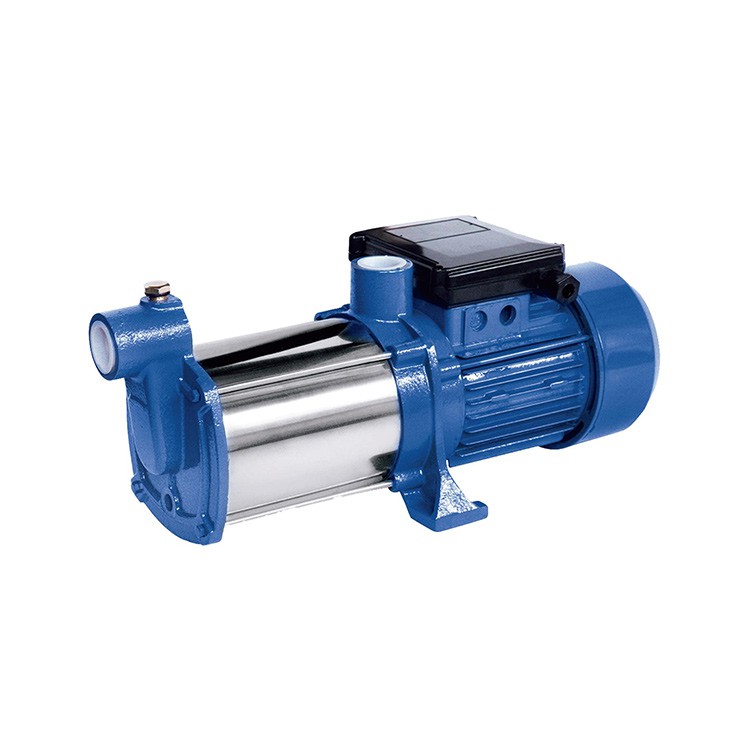
There are different types of centrifugal pumps available, including Centrifugal Force Water Pump, Multistage Centrifugal Pumps, and Centrifugal Pump Mini. Each type is designed to meet specific application requirements, such as flow rate, pressure, and the nature of the fluid being pumped.
Consequences of Reverse Flow in a Centrifugal Tank Pump
1. Reduced Pump Efficiency
One of the primary consequences of reverse flow in a centrifugal tank pump is a significant reduction in pump efficiency. When the flow direction is reversed, the impeller is no longer able to operate in its intended manner. The impeller is designed to impart energy to the fluid in a specific direction, and reverse flow disrupts this process. As a result, the pump has to work harder to achieve the same flow rate and pressure, leading to increased energy consumption and decreased efficiency.
For example, if a centrifugal pump is designed to pump water from a tank to a higher elevation, reverse flow would cause the pump to work against gravity instead of with it. This would require the pump to use more energy to overcome the resistance, resulting in a lower overall efficiency.
2. Impeller Damage
Reverse flow can also cause damage to the impeller of the centrifugal tank pump. The impeller is a critical component of the pump, and any damage to it can have a significant impact on the pump's performance. When the flow is reversed, the impeller is subjected to forces that it is not designed to handle. These forces can cause the impeller to vibrate, leading to excessive wear and tear.
Over time, the impeller may develop cracks or other forms of damage, which can further reduce the pump's efficiency and eventually lead to complete failure. In some cases, the impeller may even break off, causing severe damage to the pump casing and other internal components.
3. Seal Failure
Another consequence of reverse flow is seal failure. Centrifugal pumps rely on seals to prevent fluid leakage and maintain the integrity of the pump system. Reverse flow can put additional stress on the seals, causing them to wear out more quickly.
When the seals fail, fluid can leak out of the pump, leading to a loss of pressure and reduced performance. In addition, the leaked fluid can cause damage to other components of the pump system, such as bearings and motors. Seal failure can also result in environmental contamination if the fluid being pumped is hazardous.
4. Cavitation
Cavitation is a phenomenon that can occur when the pressure in a fluid drops below its vapor pressure, causing the formation of vapor bubbles. Reverse flow can increase the likelihood of cavitation in a centrifugal tank pump. When the flow is reversed, the pressure distribution inside the pump changes, creating areas of low pressure.
These low-pressure areas can cause the fluid to vaporize, forming bubbles. As the bubbles move to areas of higher pressure, they collapse, creating shock waves that can damage the impeller and other internal components of the pump. Cavitation can also cause noise and vibration, which can be a sign of a serious problem with the pump.
5. System Instability
Reverse flow can also lead to system instability. In a pump system, the flow rate and pressure are carefully balanced to ensure optimal performance. Reverse flow disrupts this balance, causing fluctuations in the flow rate and pressure.
These fluctuations can have a cascading effect on the entire system, leading to problems such as water hammer, which is a sudden increase in pressure caused by the rapid change in flow rate. Water hammer can cause damage to pipes, valves, and other components of the system, and it can also be a safety hazard.
Preventing and Addressing Reverse Flow
1. Install Check Valves
One of the most effective ways to prevent reverse flow in a centrifugal tank pump is to install check valves. Check valves are mechanical devices that allow fluid to flow in one direction only. They automatically close when the flow direction reverses, preventing backflow.
By installing check valves at the appropriate locations in the pump system, you can ensure that the flow remains in the correct direction, reducing the risk of reverse flow and its associated consequences.
2. Proper System Design
Proper system design is also crucial in preventing reverse flow. When designing a pump system, it is important to consider factors such as the flow rate, pressure, and the nature of the fluid being pumped. The system should be designed to ensure that the pump operates within its recommended range and that the flow direction is maintained.
In addition, the piping layout should be carefully planned to minimize the risk of reverse flow. For example, the suction and discharge pipes should be properly sized and installed to ensure smooth and efficient flow.
3. Regular Maintenance
Regular maintenance is essential for ensuring the proper operation of a centrifugal tank pump and preventing reverse flow. This includes inspecting the pump and its components for signs of wear and damage, checking the seals and gaskets for leaks, and cleaning the impeller and other internal components.
By performing regular maintenance, you can identify and address any potential problems before they become serious, reducing the risk of reverse flow and other issues.
4. Monitoring and Control
Monitoring and control systems can also be used to prevent and address reverse flow. These systems can continuously monitor the flow rate, pressure, and other parameters of the pump system and provide real-time feedback.
If reverse flow is detected, the monitoring system can automatically trigger an alarm or take corrective action, such as shutting down the pump or adjusting the flow direction. This can help to prevent damage to the pump and ensure the safety and efficiency of the system.
Conclusion
Reverse flow in a centrifugal tank pump can have serious consequences, including reduced efficiency, impeller damage, seal failure, cavitation, and system instability. As a supplier of centrifugal tank pumps, we understand the importance of preventing and addressing reverse flow to ensure the optimal performance and longevity of the pump.
By installing check valves, proper system design, regular maintenance, and monitoring and control systems, you can minimize the risk of reverse flow and its associated problems. If you have any questions or need further information about centrifugal tank pumps or preventing reverse flow, please do not hesitate to contact us. We are here to help you find the best solutions for your pumping needs.
References
- Karassik, I. J., Messina, J. P., Cooper, P. T., & Heald, C. C. (2008). Pump Handbook (4th ed.). McGraw-Hill.
- Stepanoff, A. J. (1957). Centrifugal and Axial Flow Pumps: Theory, Design, and Application. Wiley.