

Hey there! As a supplier of Centrifugal Pump Mini, I often get asked about how to store these pumps for a long time. It's crucial to store them properly to ensure they're in top - notch condition when you need them again. So, let's dive right into it!
1. Cleaning the Pump
Before you even think about storing the Centrifugal Pump Mini, a thorough cleaning is a must. Any dirt, debris, or leftover fluid inside the pump can cause corrosion and damage over time.
First, disconnect the pump from the power source. Safety first, folks! Then, drain all the fluid from the pump. This includes the water or any other liquid it was handling. If there are any filters in the pump, remove them and clean them separately. You can use a mild detergent and a soft brush to scrub away any grime.
Once the filters are clean, rinse them thoroughly with clean water and let them dry completely. For the pump itself, use a clean cloth to wipe down the exterior. Pay special attention to the inlet and outlet ports. You don't want any blockages forming during storage. If there are stubborn stains or deposits, you can use a non - abrasive cleaner, but make sure to rinse it off well.
2. Protecting the Pump from Corrosion
Corrosion is the enemy of your Centrifugal Pump Mini. Moisture in the air can cause rust to form on the metal parts of the pump. To prevent this, you need to take some protective measures.
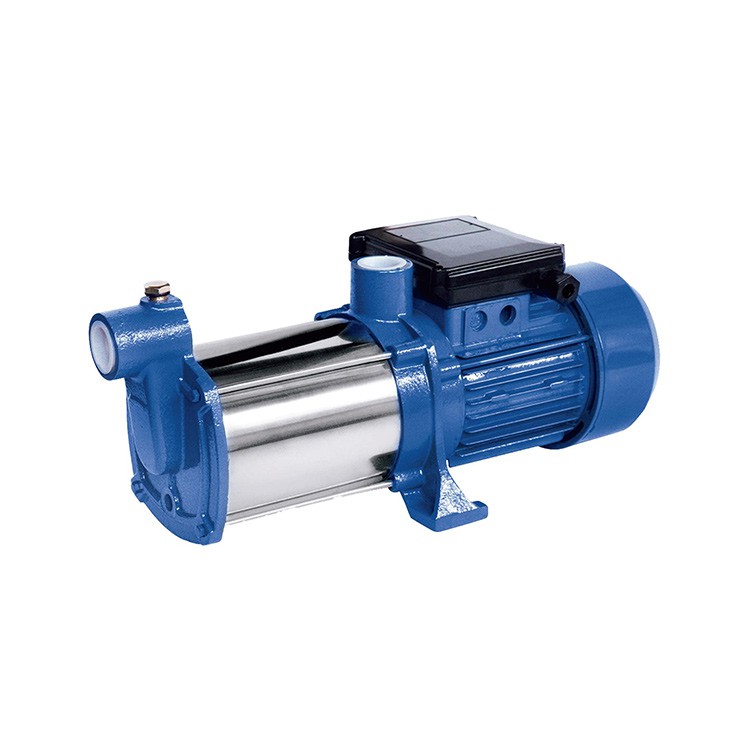

One option is to apply a thin layer of rust - preventive oil to the metal surfaces of the pump. You can use a spray oil for easy application. Make sure to cover all the exposed metal, including the shaft, impeller, and the pump casing. Another way is to use desiccants. Place a few desiccant packs inside the pump housing or in the storage container. These packs will absorb any moisture in the air, keeping the pump dry.
If your pump has a painted surface, check for any chips or scratches. If you find any, touch them up with a matching paint. This will prevent the metal underneath from being exposed to the elements and corroding.
3. Storing in the Right Environment
The environment where you store your Centrifugal Pump Mini plays a huge role in its long - term preservation. You want to choose a place that's dry, cool, and protected from direct sunlight.
A storage shed or a basement can be a good option, as long as they're not prone to flooding or excessive humidity. Avoid storing the pump in areas where it can be exposed to chemicals or fumes, as these can damage the pump's components.
If you're storing the pump outside, make sure it's covered with a waterproof tarp. However, outdoor storage should be a last resort, as it's more difficult to control the environmental conditions.
When placing the pump in storage, make sure it's on a stable surface. You don't want it to tip over and get damaged. If possible, store the pump in an upright position to prevent any fluid from accumulating inside.
4. Lubricating Moving Parts
The moving parts of the Centrifugal Pump Mini, such as the bearings and the shaft, need to be lubricated before storage. Lubrication helps to prevent wear and tear and keeps the parts from seizing up.
Use a high - quality lubricant recommended by the pump manufacturer. Apply the lubricant according to the manufacturer's instructions. Usually, you'll need to remove any dust or debris from the parts before applying the lubricant. Make sure to cover all the necessary areas, but don't over - lubricate, as excess lubricant can attract dirt and cause more problems.
5. Sealing Openings
To keep dust, dirt, and insects out of the pump, it's important to seal all the openings. You can use plastic caps or plugs to cover the inlet and outlet ports. This will prevent any foreign objects from getting inside the pump and causing damage.
If there are any ventilation holes in the pump, you can cover them with a fine - mesh screen. This will allow air to circulate while keeping out pests.
6. Periodic Checks
Even when the pump is in storage, it's a good idea to check on it periodically. Every few months, take a look at the pump to make sure there are no signs of damage, corrosion, or pest infestation.
Inspect the lubricant level and the condition of the desiccant packs. If the desiccant packs are saturated, replace them with new ones. Also, check the tightness of any bolts or screws on the pump. Vibration during storage can cause them to loosen over time.
7. Documentation
Keep a record of the pump's maintenance and storage. Write down when you cleaned the pump, applied the lubricant, and conducted the periodic checks. This documentation can be very useful if you need to troubleshoot any issues later or if you want to prove that the pump has been properly maintained.
Storing a Centrifugal Pump Mini for a long time isn't that complicated. By following these steps, you can ensure that your pump stays in great condition and is ready to go when you need it.
We offer a wide range of Centrifugal Pump Mini options, as well as Centrifugal Pump for Agriculture, Cast Iron Centrifugal Pumps, and Multistage Centrifugal Pumps. If you're interested in purchasing our pumps or have any questions about storage or maintenance, don't hesitate to reach out to us. We're here to help you make the most of your pump investment.
References
- Manufacturer's manuals for Centrifugal Pump Mini
- Industry best practices for pump storage and maintenance