

Hey there! As a supplier of centrifugal transfer pumps, I've seen firsthand how the maintenance cost of these pumps can add up over time. In this blog post, I'll share some practical tips on how to reduce the maintenance cost of a centrifugal transfer pump.
1. Regular Inspection and Monitoring
One of the most effective ways to reduce maintenance costs is to catch problems early. Regular inspections can help you identify potential issues before they turn into major problems. You should inspect the pump at least once a month, checking for things like leaks, unusual noises, and vibration.
Monitoring the pump's performance is also crucial. Keep an eye on parameters such as flow rate, pressure, and power consumption. Any significant changes in these values could indicate a problem. You can use a data logger or a monitoring system to track these parameters over time.
2. Proper Installation
Proper installation is the foundation for a long - lasting and low - maintenance centrifugal transfer pump. Make sure the pump is installed on a stable and level surface. Incorrect installation can lead to excessive vibration, which can damage the pump's components over time.
Follow the manufacturer's instructions carefully when connecting the pump to the piping system. Ensure that the piping is properly supported and that there are no sharp bends or restrictions in the flow path. This will help to reduce the pressure drop and improve the pump's efficiency.
3. Use High - Quality Parts
Using high - quality parts is essential for reducing maintenance costs. Cheaper parts may seem like a good idea in the short term, but they often wear out faster and need to be replaced more frequently.
When it comes to centrifugal transfer pumps, parts like impellers, seals, and bearings are critical. Invest in high - quality impellers that are made from durable materials. Seals should be able to withstand the operating conditions of the pump, such as pressure and temperature. Bearings need to be properly lubricated and maintained to ensure smooth operation.
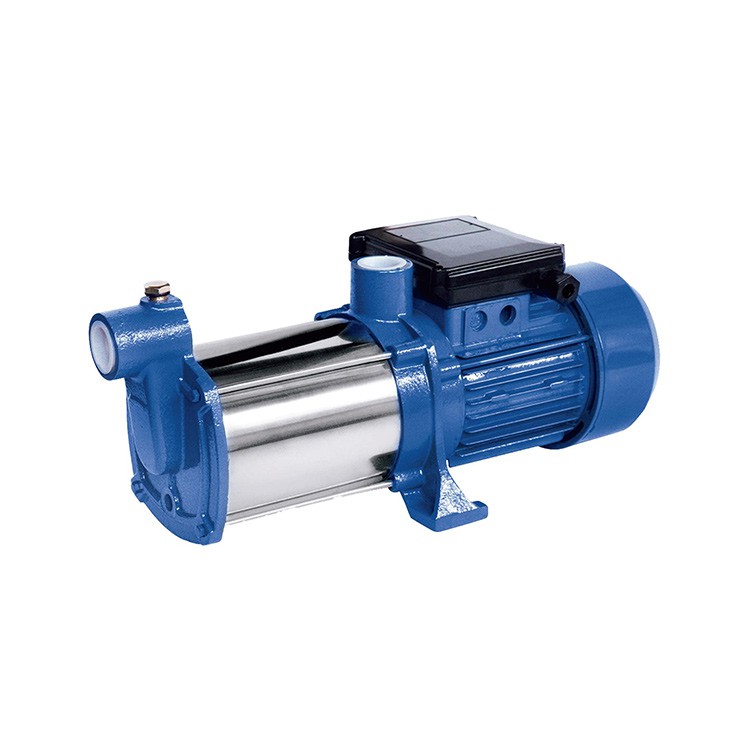
You can check out our Centrifugal Force Water Pump and Stainless Steel Centrifugal Water Pumps which are equipped with high - quality parts to minimize maintenance needs.
4. Lubrication
Proper lubrication is key to reducing friction and wear in the pump. Different parts of the pump, such as bearings and shafts, require lubrication. Make sure to use the right type of lubricant for your pump.
Check the lubricant level regularly and change it according to the manufacturer's recommendations. Over - lubrication or under - lubrication can both cause problems. Over - lubrication can lead to seal damage and increased power consumption, while under - lubrication can result in premature wear of the components.

5. Training for Operators
Well - trained operators can make a big difference in reducing maintenance costs. Operators should know how to start and stop the pump correctly, how to monitor its performance, and how to perform basic maintenance tasks.
Provide training to your operators on the proper use and maintenance of the centrifugal transfer pump. This will help them to identify and address minor issues before they become major problems. They should also be aware of the safety procedures when working with the pump.
6. Preventive Maintenance Schedule
Develop a preventive maintenance schedule for your centrifugal transfer pump. This schedule should include tasks such as inspection, lubrication, and replacement of parts at regular intervals.
For example, you might schedule a full inspection of the pump every six months, lubrication every three months, and replacement of the seals every year. By following a preventive maintenance schedule, you can avoid unexpected breakdowns and reduce the overall maintenance cost.
7. Keep the Pump Clean
A clean pump is less likely to experience problems. Dirt, debris, and corrosion can all cause damage to the pump's components. Regularly clean the pump and its surrounding area.
Use a mild detergent and a soft brush to clean the exterior of the pump. Make sure to remove any dirt or debris from the intake and outlet ports. If the pump is used in a corrosive environment, consider using a protective coating to prevent corrosion.
8. Optimize the Pump's Operating Conditions
Operating the pump under the right conditions can significantly reduce maintenance costs. Avoid running the pump at extreme conditions, such as high temperatures or pressures.
If possible, adjust the pump's speed to match the actual demand. Running the pump at a lower speed can reduce wear and tear on the components and improve energy efficiency. You can use a variable frequency drive (VFD) to control the pump's speed.
9. Upgrade the Pump when Necessary
As technology advances, newer models of centrifugal transfer pumps may offer better performance and lower maintenance requirements. If your pump is old and constantly causing problems, it might be worth considering an upgrade.
Our High Pressure Centrifugal Water Pump and Centrifugal Pump for Home are designed with the latest technology to provide reliable and efficient operation with reduced maintenance needs.
10. Partner with a Reliable Supplier
Partnering with a reliable supplier is crucial for reducing maintenance costs. A good supplier can provide you with high - quality pumps, parts, and technical support.
We are committed to providing our customers with the best centrifugal transfer pumps and related services. If you have any questions about reducing the maintenance cost of your pump or if you're interested in purchasing a new pump, feel free to contact us for a detailed discussion. We can help you choose the right pump for your application and provide you with guidance on maintenance.
In conclusion, reducing the maintenance cost of a centrifugal transfer pump requires a combination of regular inspection, proper installation, high - quality parts, and good operating practices. By following these tips, you can extend the life of your pump and save money in the long run. Whether you're looking for a Multistage Centrifugal Pumps or a single - stage pump, we're here to help you make the right choice.
References
- Pump Handbook, by Karassik et al.
- Centrifugal Pump Operation and Maintenance Manuals from various manufacturers.