

Hey there! As a supplier of Centrifugal Pump for Home, I often get asked about how to replace the seals in these pumps. It's a crucial maintenance task that can save you from a lot of headaches down the road. So, let's dive right in and learn how to do it step by step.
First off, why are seals so important in a centrifugal pump? Well, they prevent the fluid being pumped from leaking out of the pump housing. A damaged or worn - out seal can lead to reduced pump efficiency, increased energy consumption, and even cause the pump to fail completely. That's why knowing how to replace them is a handy skill for any homeowner with a centrifugal pump.
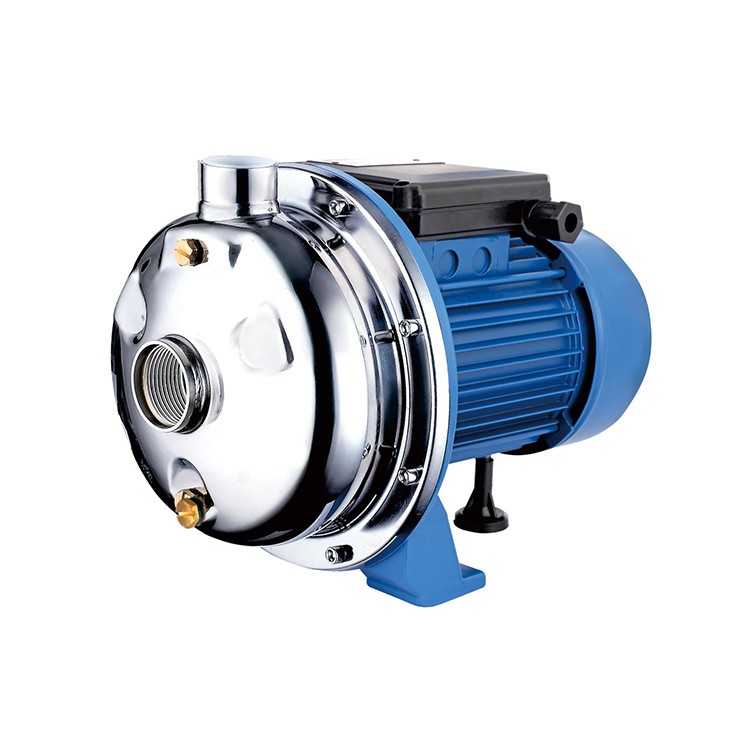

Before we start, make sure you have all the necessary tools. You'll need a set of wrenches, a screwdriver, a seal puller (if available), a clean cloth, and of course, the new seals. You can find a wide range of centrifugal pumps on our website, including Cast Iron Centrifugal Pumps, Centrifugal Pump for Agriculture, and Centrifugal Pump Mini.
Step 1: Shut Down and Isolate the Pump
Safety first! The very first thing you need to do is shut off the power supply to the pump. This can be a circuit breaker in your electrical panel. Also, close the valves that control the flow of fluid to and from the pump. This will prevent any fluid from flowing while you're working on the pump.
Step 2: Drain the Pump
Use a drain valve, if your pump has one, to drain all the fluid from the pump housing. Place a container under the drain valve to catch the fluid. Make sure you dispose of the fluid properly, especially if it's a chemical or a hazardous substance.
Step 3: Remove the Pump Cover
Use your wrenches to loosen and remove the bolts that hold the pump cover in place. Carefully lift off the cover and set it aside. You might want to place the bolts in a small container so you don't lose them.
Step 4: Locate the Seals
Once the cover is off, you'll be able to see the seals. They are usually located around the shaft of the pump. There are typically two types of seals: mechanical seals and packing seals. Mechanical seals are more common in modern centrifugal pumps.
Step 5: Remove the Old Seals
If you have a seal puller, this step will be a lot easier. Insert the seal puller into the old seal and gently pull it out. If you don't have a seal puller, you can try using a flat - head screwdriver to carefully pry the seal out. Be very careful not to damage the pump housing or the shaft while doing this.
Step 6: Clean the Seal Area
Use a clean cloth to wipe away any dirt, debris, or old sealant from the area where the seal was located. This will ensure a good fit for the new seal.
Step 7: Install the New Seals
Before installing the new seals, apply a thin layer of lubricant to the seal and the shaft. This will make it easier to install the seal and help prevent it from getting damaged during installation. Carefully slide the new seal onto the shaft and into place. Make sure it is seated properly and there are no gaps.
Step 8: Reassemble the Pump
Put the pump cover back on and tighten the bolts using your wrenches. Make sure the bolts are tightened evenly to prevent any leaks.
Step 9: Refill the Pump
Open the valves and refill the pump with fluid. Check for any leaks around the seals. If you see any leaks, you may need to re - check the installation of the seals.
Step 10: Start the Pump
Once you're sure there are no leaks, turn on the power supply to the pump. Let the pump run for a few minutes and monitor it for any unusual noises or vibrations. If everything seems okay, then you've successfully replaced the seals in your centrifugal pump!
Troubleshooting Tips
- Leaking after installation: If you notice that the pump is still leaking after replacing the seals, it could be because the seals were not installed correctly. Check to make sure they are seated properly and there are no gaps. You may also need to replace the sealant if it was damaged during removal.
- Unusual noises: If the pump is making unusual noises, it could be due to a misaligned shaft or a damaged impeller. You may need to disassemble the pump again and check these components.
Conclusion
Replacing the seals in a centrifugal pump for home is not as difficult as it may seem. With the right tools and a little bit of patience, you can do it yourself and save money on professional repair services. Remember, regular maintenance of your centrifugal pump, including seal replacement, will extend its lifespan and keep it running efficiently.
If you're in the market for a new centrifugal pump or need any replacement parts, we're here to help. We offer a wide range of high - quality centrifugal pumps for home use. Just reach out to us, and we'll be happy to discuss your needs and assist you in finding the perfect pump for your situation. Whether you're looking for a Cast Iron Centrifugal Pumps for general household use, a Centrifugal Pump for Agriculture for your farm, or a Centrifugal Pump Mini for a small - scale project, we've got you covered. Contact us today to start the procurement process and take advantage of our excellent products and services.
References
- "Centrifugal Pump Handbook" by Igor J. Karassik et al.
- "Pump Installation, Operation, and Maintenance" by the Hydraulic Institute.