

Hey there, fellow garden enthusiasts! I'm [Name], and I run a garden pumps supply business. Over the years, I've heard countless stories from customers about their garden pumps acting up, especially when it comes to not pumping water. It can be super frustrating, right? You're all set to water your beautiful plants, and the pump just won't do its job. Well, don't worry! In this blog, I'll walk you through some of the most common reasons why your garden pump might not be pumping water and what you can do to fix it.
1. Power Issues
Let's start with the basics. One of the most common reasons a garden pump won't work is a power problem. If your pump is electric, make sure it's properly plugged in. Sounds simple, but you'd be surprised how often this is the culprit. Check the outlet to see if it's working by plugging in another device. If the outlet is dead, you might need to check your circuit breaker or fuse box.
Sometimes, the issue could be with the power cord itself. Look for any signs of damage, like frayed wires or cuts. If you find any, it's best to replace the cord. You don't want to risk an electrical hazard.
If you have a gas-powered pump, the problem could be with the fuel. Check the fuel tank to make sure it has enough gas. Also, look for any signs of fuel leaks. If the fuel is old, it might not be combusting properly, so consider draining the old fuel and filling it with fresh gas.
2. Clogged Inlet or Outlet
Another common issue is a clogged inlet or outlet. Over time, dirt, debris, and even small rocks can get into the pump and block the flow of water. This can prevent the pump from drawing in water or pushing it out.
To check for a clogged inlet, first, turn off the pump and unplug it (if it's electric). Then, remove the inlet hose and look inside. If you see any debris, use a brush or a pipe cleaner to gently remove it. You can also flush the inlet with water to clear out any remaining dirt.
For the outlet, do the same thing. Remove the outlet hose and check for blockages. Sometimes, a kink in the hose can also restrict the flow of water. Make sure the hose is straight and free of any twists or bends.
3. Air in the System
Air in the pump system can also cause problems. When there's air in the pump, it can create a vacuum that prevents water from flowing properly. This is known as "losing prime."
To fix this, you'll need to prime the pump. The process of priming varies depending on the type of pump you have. Some pumps have a priming port where you can pour water into the pump to remove the air. Others might require you to fill the inlet hose with water before starting the pump.
If you're not sure how to prime your pump, check the owner's manual. It should have detailed instructions on how to do it correctly.
4. Impeller Issues
The impeller is a crucial part of the pump that helps to move water. If the impeller is damaged or worn out, it won't be able to generate enough pressure to pump water.
To check the impeller, you'll need to disassemble the pump. This can be a bit tricky, so make sure you follow the instructions in the owner's manual. Once you have access to the impeller, look for any signs of damage, like cracks or chips. If the impeller is damaged, you'll need to replace it.
Sometimes, the impeller can also get stuck due to debris or a build-up of sediment. If this is the case, try cleaning the impeller and the surrounding area. You might need to use a small brush or a toothpick to remove any stubborn debris.
5. Seal Problems
The seals in the pump are designed to prevent water from leaking out. If the seals are damaged or worn out, water can leak from the pump, which can reduce its efficiency and prevent it from pumping water properly.
To check the seals, look for any signs of water leakage around the pump. If you see any, it's likely that the seals need to be replaced. You can usually find replacement seals at your local hardware store or from the pump manufacturer.
Replacing the seals can be a bit of a hassle, but it's usually a straightforward process. Just make sure you follow the instructions carefully and use the correct tools.

6. Wrong Pump Size or Type
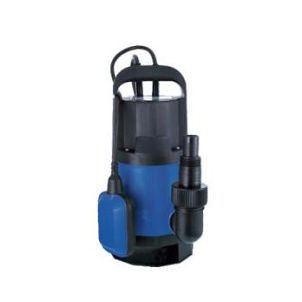
Sometimes, the problem might not be with the pump itself, but with the size or type of pump you're using. If your pump is too small for the job, it might not be able to generate enough pressure to pump water to the desired location. On the other hand, if the pump is too large, it can be inefficient and waste energy.
When choosing a pump, consider the size of your garden, the height you need to pump the water, and the flow rate you require. For example, if you have a large garden and need to pump water to a high elevation, you'll need a more powerful pump.
Here are some of the garden pumps we offer that might be suitable for your needs:
- Garden Hose Water Transfer Pump: This pump is great for transferring water from one location to another, like from a pond to a raised bed.
- Cast Iron Garden Pump: Made of durable cast iron, this pump is built to last and can handle tough jobs.
- Garden Peripheral Pumps: These pumps are designed for high-pressure applications and are perfect for watering large gardens.
Conclusion
So, there you have it! These are some of the most common reasons why your garden pump might not be pumping water. By following these tips, you should be able to diagnose and fix the problem in no time.
If you're still having trouble with your pump, don't hesitate to reach out to us. We're here to help you find the right solution for your garden pumping needs. Whether you need a new pump or just some advice on how to fix your existing one, we've got you covered.
Contact us today to discuss your requirements and let's get your garden pump working like a charm again!
References
- "Garden Pump Troubleshooting Guide" - Various online resources
- Manufacturer's manuals for garden pumps