

Hey there! As a supplier of centrifugal pumps for home use, I often get asked about the vibration level of these pumps. It's a crucial aspect to consider, as excessive vibration can lead to various problems, from reduced pump lifespan to noise pollution in your home. So, let's dive into what the vibration level of a centrifugal pump for home should be and why it matters.
Why Vibration Matters
First off, why should you even care about the vibration level of your home centrifugal pump? Well, a pump that vibrates too much is not operating as efficiently as it should. Excessive vibration can cause wear and tear on the pump's components, such as the bearings, seals, and impeller. This can lead to premature failure of these parts, which means more frequent repairs and replacements, costing you both time and money.
Moreover, high - level vibrations can create a lot of noise. If your pump is installed near living areas, this noise can be a real nuisance, disrupting your daily life and affecting your comfort at home.
What is an Acceptable Vibration Level?
The acceptable vibration level of a centrifugal pump for home use is typically measured in terms of displacement, velocity, or acceleration. For most small - to - medium - sized home centrifugal pumps, a vibration velocity of around 0.1 - 0.5 inches per second (ips) is considered acceptable. This range ensures that the pump is operating smoothly without causing excessive stress on its components.
However, it's important to note that the specific acceptable vibration level can vary depending on the type and size of the pump. For example, smaller pumps like the Centrifugal Pump Mini may have a slightly different vibration tolerance compared to larger, more powerful models.
Factors Affecting Vibration Levels
There are several factors that can affect the vibration level of a centrifugal pump. Let's take a look at some of the most common ones:

1. Installation
Proper installation is key to keeping the vibration level in check. If the pump is not installed on a stable and level surface, it can cause uneven stress on the pump, leading to increased vibration. Make sure the pump is firmly mounted using the appropriate bolts and brackets. Also, ensure that the piping connected to the pump is properly supported to prevent any additional vibration transfer.
2. Imbalance
An imbalance in the impeller is another major cause of excessive vibration. The impeller is the rotating part of the pump that creates the centrifugal force to move water. If it's not balanced correctly, it can cause the pump to vibrate as it rotates. This can happen due to manufacturing defects or damage to the impeller over time.
3. Cavitation
Cavitation occurs when the pressure in the pump drops below the vapor pressure of the liquid being pumped, causing the formation of vapor bubbles. When these bubbles collapse, they create shock waves that can lead to significant vibration. Cavitation can be caused by factors such as a clogged inlet, incorrect pump sizing, or operating the pump at a flow rate outside its recommended range.
4. Bearing Wear
Worn - out bearings can also contribute to increased vibration. Bearings support the rotating shaft of the pump, and as they wear over time, they can become loose, causing the shaft to wobble and the pump to vibrate. Regular maintenance, including checking and replacing bearings when necessary, can help prevent this issue.
Measuring Vibration Levels
If you're concerned about the vibration level of your home centrifugal pump, you can measure it using a vibration meter. These meters are relatively inexpensive and easy to use. Simply place the meter on the pump housing at various points, and it will give you a reading of the vibration level.
It's a good idea to measure the vibration level periodically, especially if you notice any changes in the pump's performance or if you hear unusual noises. This can help you detect potential problems early and take corrective action before they become more serious.
Reducing Vibration Levels
If you find that your pump's vibration level is higher than the acceptable range, there are several steps you can take to reduce it:
1. Re - balance the Impeller
If the impeller is imbalanced, you can have it re - balanced by a professional. This involves adding or removing small weights to the impeller to ensure that it rotates evenly.
2. Check and Clean the Inlet
If cavitation is the cause of the vibration, check the pump's inlet for any blockages. Clean the inlet screen or filter if necessary to ensure proper water flow. You may also need to adjust the pump's operating conditions to stay within its recommended flow rate range.
3. Replace Worn - Out Bearings
If the bearings are worn, replace them with new ones. Make sure to use high - quality bearings that are compatible with your pump model.
4. Improve Installation
If the pump is not installed correctly, re - install it on a stable and level surface. Check the mounting bolts and brackets to ensure they are tightened properly. Also, review the piping support to minimize vibration transfer.
Our Range of Centrifugal Pumps for Home
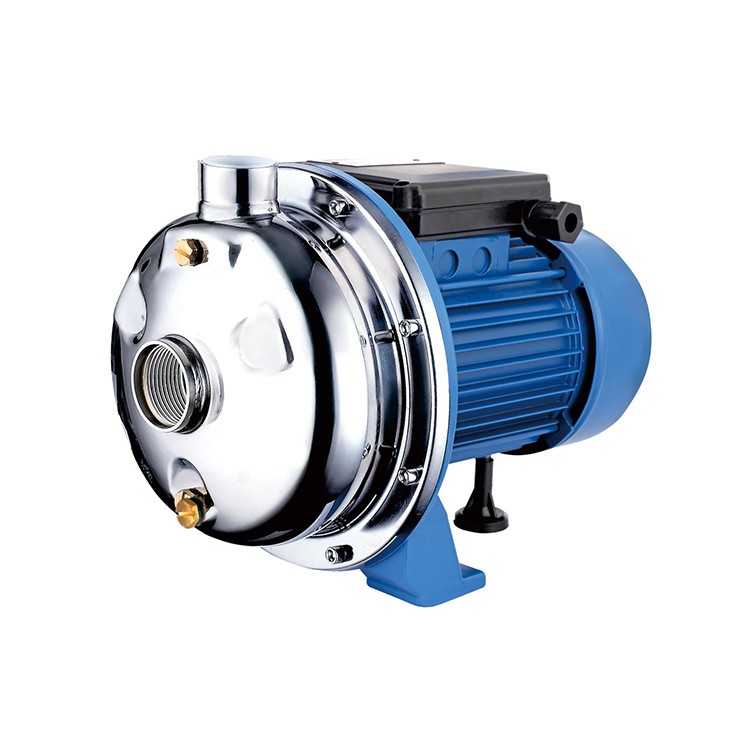
At our company, we offer a wide range of centrifugal pumps for home use, including Stainless Steel Centrifugal Water Pumps and Multistage Centrifugal Pumps. Our pumps are designed and manufactured to meet the highest quality standards, with strict control over vibration levels during the production process.
We understand that every home has different water pumping needs, and that's why we offer pumps with various capacities and features. Whether you need a small pump for a simple water supply system or a more powerful pump for a larger home or garden, we have the right solution for you.
Conclusion
In conclusion, the vibration level of a centrifugal pump for home is an important factor to consider for its proper operation and longevity. By understanding what an acceptable vibration level is, the factors that can affect it, and how to measure and reduce it, you can ensure that your pump runs smoothly and efficiently for years to come.
If you're in the market for a new home centrifugal pump or if you have any questions about the vibration levels of your existing pump, don't hesitate to get in touch with us. We're here to help you find the best solution for your water pumping needs.
References
- "Centrifugal Pump Handbook" by Igor J. Karassik et al.
- "Pump Installation, Operation, and Maintenance" by Hydraulic Institute.