

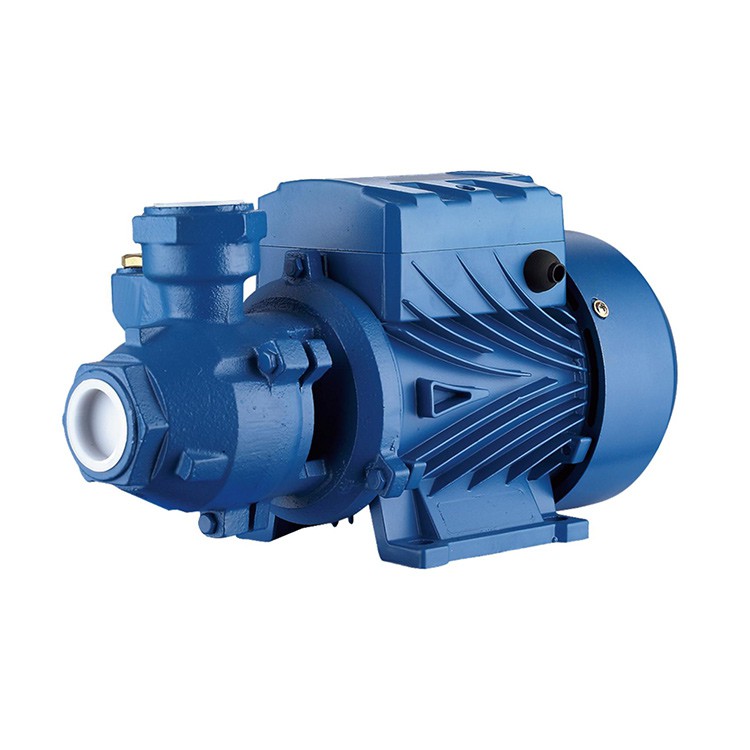
As a supplier of Solar Peripheral Pumps, I often encounter inquiries from customers regarding the suction capacity of these pumps. Understanding the suction capacity is crucial for selecting the right pump for specific applications. In this blog post, I will delve into the concept of suction capacity, factors affecting it, and how it relates to Solar Peripheral Pumps.

What is Suction Capacity?
Suction capacity refers to the ability of a pump to draw liquid from a source and lift it to a certain height. It is typically measured in terms of suction head, which is the vertical distance between the liquid level in the source and the centerline of the pump inlet. The suction capacity of a pump is influenced by several factors, including the pump design, impeller type, motor power, and the properties of the liquid being pumped.
Factors Affecting Suction Capacity
Pump Design
The design of a Solar Peripheral Pump plays a significant role in determining its suction capacity. Peripheral pumps are designed with a unique impeller that creates a high-velocity flow of liquid around the periphery of the impeller. This design allows the pump to generate a relatively high suction head compared to other types of pumps. However, the suction capacity of a peripheral pump is limited by the design of the impeller and the pump casing.
Impeller Type
The type of impeller used in a Solar Peripheral Pump can also affect its suction capacity. There are two main types of impellers used in peripheral pumps: open impellers and closed impellers. Open impellers are typically used in pumps with low suction requirements, while closed impellers are used in pumps with higher suction requirements. Closed impellers are more efficient at generating a high suction head because they prevent the liquid from leaking back into the pump casing.
Motor Power
The motor power of a Solar Peripheral Pump is another important factor that affects its suction capacity. A pump with a higher motor power can generate a greater suction head and flow rate than a pump with a lower motor power. However, it is important to note that the motor power of a pump should be matched to the specific application requirements to ensure optimal performance.
Liquid Properties
The properties of the liquid being pumped can also affect the suction capacity of a Solar Peripheral Pump. The viscosity, density, and temperature of the liquid can all have an impact on the pump's performance. For example, a liquid with a high viscosity will require a pump with a higher suction capacity to overcome the resistance to flow. Similarly, a liquid with a high density will require a pump with a higher motor power to lift it to a certain height.
Suction Capacity of Solar Peripheral Pumps
Solar Peripheral Pumps are designed to operate on solar power, making them an environmentally friendly and cost-effective solution for water pumping applications. These pumps are typically used for small-scale water supply systems, such as domestic water supply, irrigation, and livestock watering. The suction capacity of Solar Peripheral Pumps can vary depending on the specific model and design of the pump.
Most Solar Peripheral Pumps have a suction head of between 5 and 10 meters. This means that the pump can draw water from a source that is located up to 5 to 10 meters below the pump inlet. However, it is important to note that the actual suction capacity of a pump may be affected by factors such as the length and diameter of the suction pipe, the presence of air or debris in the suction line, and the altitude of the installation site.
Comparing Suction Capacity with Other Solar Pumps
In addition to Solar Peripheral Pumps, there are other types of solar pumps available on the market, including Solar Jet Pumps and Solar Centrifugal Pumps. Each type of pump has its own unique characteristics and suction capacity.
Solar Jet Pumps are designed to generate a high pressure and flow rate, making them suitable for applications that require a large volume of water to be pumped over a long distance. These pumps typically have a higher suction capacity than Solar Peripheral Pumps, with a suction head of up to 20 meters or more. However, Solar Jet Pumps are also more expensive and require more maintenance than Solar Peripheral Pumps.
Solar Centrifugal Pumps are the most common type of solar pump used for water pumping applications. These pumps are designed to generate a high flow rate at a relatively low pressure, making them suitable for applications such as irrigation and water supply. The suction capacity of Solar Centrifugal Pumps can vary depending on the specific model and design of the pump, but they typically have a suction head of between 3 and 8 meters.
Selecting the Right Pump for Your Application
When selecting a Solar Peripheral Pump or any other type of solar pump, it is important to consider the specific application requirements, including the suction capacity, flow rate, and pressure requirements. Here are some factors to consider when selecting a pump:
- Suction Head: Determine the vertical distance between the liquid level in the source and the centerline of the pump inlet. This will help you select a pump with the appropriate suction capacity.
- Flow Rate: Determine the volume of water that needs to be pumped per unit of time. This will help you select a pump with the appropriate flow rate.
- Pressure Requirements: Determine the pressure required to deliver the water to the desired location. This will help you select a pump with the appropriate pressure rating.
- Power Source: Consider the availability of solar power at the installation site. Make sure the pump is compatible with the solar panel system and can operate efficiently under the available sunlight conditions.
- Maintenance Requirements: Consider the maintenance requirements of the pump. Look for a pump that is easy to maintain and has a long service life.
Conclusion
The suction capacity of Solar Peripheral Pumps is an important factor to consider when selecting a pump for water pumping applications. Understanding the concept of suction capacity, the factors that affect it, and how it relates to Solar Peripheral Pumps can help you make an informed decision when choosing a pump for your specific needs.
As a supplier of Solar Peripheral Pumps, we are committed to providing our customers with high-quality pumps that meet their specific requirements. If you have any questions or need assistance in selecting the right pump for your application, please do not hesitate to contact us. We would be happy to help you find the perfect solution for your water pumping needs.
References
- "Pump Handbook" by Igor Karassik et al.
- "Solar Water Pumping Systems: Design and Installation" by the International Renewable Energy Agency (IRENA).