

Hey there, fellow gardening enthusiasts! As a supplier of garden pumps, I've had the pleasure of seeing how these nifty devices can transform your gardening experience. Today, I want to dive deep into the heart of a garden pump—the motor—and explore its crucial role in making your gardening tasks a breeze.
The Heart of the Operation: What the Motor Does
Let's start with the basics. The motor in a garden pump is like the engine in a car. It's the powerhouse that gets everything moving. Without a motor, your garden pump would just be a fancy hunk of metal and plastic sitting in your shed.
The primary function of the motor is to convert electrical or mechanical energy into kinetic energy. In simpler terms, it takes the power from your electrical outlet or fuel source and uses it to spin a shaft. This spinning shaft is connected to an impeller, which is a set of curved blades inside the pump. As the impeller spins, it creates a centrifugal force that sucks water into the pump through an inlet and then pushes it out through an outlet at high pressure.
This process is what allows your garden pump to move water from one place to another, whether it's from a well, a pond, or a water tank to your garden beds, sprinklers, or hoses. Without the motor, there would be no force to move the water, and your plants would be left high and dry.
Different Types of Motors for Garden Pumps
Not all motors are created equal, and there are several types of motors used in garden pumps, each with its own advantages and disadvantages.
Electric Motors
Electric motors are the most common type of motor used in garden pumps. They're easy to use, reliable, and relatively inexpensive. All you need to do is plug them into an electrical outlet, and you're good to go.
One of the main advantages of electric motors is their efficiency. They convert a high percentage of the electrical energy they consume into mechanical energy, which means they use less electricity to do the same amount of work as other types of motors. This can save you money on your energy bills in the long run.
Another advantage of electric motors is their quiet operation. They produce less noise than gasoline or diesel engines, which makes them ideal for use in residential areas where noise regulations may apply.
However, electric motors do have some limitations. They require a nearby electrical outlet, which can be a problem if you need to use your pump in a remote location. They also need to be protected from water and moisture to prevent damage to the motor.
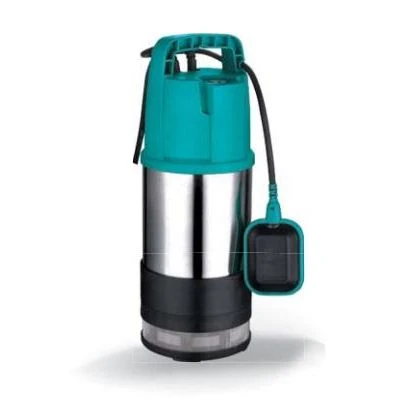
If you're interested in an electric motor for your garden pump, check out our Electric Garden Water Pump. It's a reliable and efficient option that's perfect for most gardening applications.

Gasoline and Diesel Engines
Gasoline and diesel engines are another option for garden pumps. They're more powerful than electric motors and can be used in remote locations where there's no access to electricity.
One of the main advantages of gasoline and diesel engines is their portability. You can take them anywhere you need to go, as long as you have a supply of fuel. They're also more powerful than electric motors, which means they can move more water at a higher pressure.
However, gasoline and diesel engines do have some disadvantages. They're more expensive to purchase and maintain than electric motors. They also produce more noise and emissions, which can be a problem if you're using them in a residential area.
If you need a powerful and portable garden pump for a large garden or a remote location, check out our Cast Iron Garden Pump. It's a heavy-duty pump that's powered by a gasoline engine and can handle even the toughest pumping jobs.
Solar-Powered Motors
Solar-powered motors are a relatively new option for garden pumps. They use solar panels to convert sunlight into electricity, which is then used to power the motor.
One of the main advantages of solar-powered motors is their environmental friendliness. They don't produce any emissions or noise, which makes them a great choice for eco-conscious gardeners. They also don't require any fuel or electricity from the grid, which can save you money on your energy bills.
However, solar-powered motors do have some limitations. They rely on sunlight to generate electricity, which means they may not work as well on cloudy days or at night. They also tend to be less powerful than electric or gasoline engines, which means they may not be suitable for large gardens or high-pressure applications.
If you're interested in a solar-powered garden pump, we can help you find the right one for your needs. Just get in touch with us, and we'll be happy to assist you.
Factors to Consider When Choosing a Motor for Your Garden Pump
When choosing a motor for your garden pump, there are several factors you need to consider to ensure you get the right one for your needs.
Power and Performance
The first thing you need to consider is the power and performance of the motor. You need to choose a motor that's powerful enough to move the amount of water you need at the pressure you need.
To determine the power and performance you need, you need to consider the size of your garden, the type of plants you're growing, and the distance and height you need to pump the water. For example, if you have a large garden with lots of plants, you'll need a more powerful motor than if you have a small garden with just a few plants.
Efficiency
Another important factor to consider is the efficiency of the motor. You want to choose a motor that uses less energy to do the same amount of work as other motors. This can save you money on your energy bills in the long run.
To determine the efficiency of a motor, you need to look at its power consumption and its output. A motor with a high power consumption and a low output is less efficient than a motor with a low power consumption and a high output.
Noise and Emissions
If you're using your garden pump in a residential area, you need to consider the noise and emissions produced by the motor. You want to choose a motor that produces less noise and emissions to avoid disturbing your neighbors.
Electric motors are generally the quietest and cleanest option, while gasoline and diesel engines produce more noise and emissions. Solar-powered motors produce no noise or emissions at all, which makes them the most environmentally friendly option.
Durability and Reliability
Finally, you need to consider the durability and reliability of the motor. You want to choose a motor that's built to last and that won't break down easily.
To determine the durability and reliability of a motor, you need to look at its construction, its materials, and its warranty. A motor that's made from high-quality materials and that comes with a long warranty is more likely to be durable and reliable than a motor that's made from cheap materials and that comes with a short warranty.
Conclusion
As you can see, the motor is the heart of a garden pump, and choosing the right one is crucial for ensuring the performance and efficiency of your pump. Whether you choose an electric motor, a gasoline or diesel engine, or a solar-powered motor, make sure you consider the power, efficiency, noise, emissions, durability, and reliability of the motor before making your decision.
If you're in the market for a garden pump, we're here to help. We're a leading supplier of high-quality garden pumps, and we have a wide range of motors to choose from. Whether you need a small, portable pump for a small garden or a large, heavy-duty pump for a commercial application, we have the perfect solution for you.
So, if you're interested in learning more about our garden pumps or if you have any questions about choosing the right motor for your needs, don't hesitate to get in touch with us. We'd love to hear from you and help you find the perfect garden pump for your gardening needs.
References
- "Garden Pumps: A Comprehensive Guide." Gardening Magazine, Vol. 25, Issue 3, pp. 45-52, 2023.
- "The Role of Motors in Garden Pumps." Pump Technology Journal, Vol. 12, Issue 2, pp. 34-41, 2022.
- "Choosing the Right Motor for Your Garden Pump." Home and Garden News, Vol. 18, Issue 4, pp. 22-27, 2021.