

What is the noise level of a garden pump?
As a dedicated supplier of garden pumps, I often receive inquiries from customers about the noise levels of our products. Noise can be a significant concern, especially for those who use garden pumps in residential areas or in close proximity to living spaces. In this blog post, I will delve into the factors that affect the noise level of garden pumps, the typical noise ranges of different types of pumps, and how we ensure that our pumps meet the noise requirements of our customers.
Factors Affecting the Noise Level of Garden Pumps
Several factors contribute to the noise generated by garden pumps. Understanding these factors can help you make an informed decision when choosing a pump that suits your noise sensitivity and application needs.
Motor Type and Power
The motor is the heart of a garden pump, and its type and power significantly influence the noise level. Electric motors are generally quieter than gasoline engines. This is because electric motors have fewer moving parts and operate more smoothly. In addition, the power of the motor also plays a role. Higher-powered motors tend to generate more noise as they work harder to move water. For example, a small, low - power electric garden pump may produce a relatively gentle humming sound, while a large - capacity gasoline - powered pump can be quite noisy, similar to the sound of a small engine.
Pump Design and Construction
The design and construction of the pump itself can affect noise levels. Pumps with well - engineered impellers and housings are more likely to operate quietly. An impeller that is precisely balanced will reduce vibrations, which in turn reduces noise. The material of the pump housing also matters. Pumps with high - quality, thick - walled materials can better absorb and dampen noise. For instance, some of our Electric Garden Water Pump models are designed with advanced impeller technology and robust housings to minimize noise.
Installation and Mounting
Proper installation and mounting are crucial for reducing pump noise. If a pump is not installed on a stable surface, it can vibrate more, causing increased noise. Mounting the pump on a vibration - absorbing pad or using flexible connectors can help isolate the pump from the surrounding structure and reduce the transmission of noise. For example, if a garden pump is installed directly on a hard concrete floor without any vibration isolation, the noise can be amplified as the vibrations are transferred through the floor.
Water Flow and Pressure
The water flow rate and pressure requirements of your application can also impact the noise level of the pump. When a pump is operating at a high flow rate or pressure, it may generate more noise. This is because the pump has to work harder to move the water. For example, if you are using a pump to fill a large pool quickly, the pump will be under more stress and may produce a louder noise compared to when it is used for a low - flow task like watering a small flower bed.
Typical Noise Ranges of Different Types of Garden Pumps
Different types of garden pumps have different typical noise ranges. Here is a breakdown of the noise levels you can expect from some common types of garden pumps:
Electric Garden Water Pumps
Electric garden water pumps are known for their relatively quiet operation. On average, these pumps typically produce noise levels in the range of 40 - 60 decibels (dB). This is similar to the sound level of a normal conversation or a quiet office environment. Our Electric Garden Water Pump models are designed to be on the lower end of this range, ensuring that they do not cause a significant disturbance in your garden or outdoor living space.
Garden Peripheral Pumps
Garden peripheral pumps are often used for small - to medium - scale garden applications. They usually have noise levels ranging from 50 - 70 dB. This is a bit louder than electric garden water pumps but still relatively tolerable. The noise is mainly due to the high - speed rotation of the impeller and the movement of water through the pump. Our Garden Peripheral Pumps are engineered to keep the noise within an acceptable range, even during continuous operation.
Garden Jet Pumps
Garden jet pumps are more powerful and can handle higher water pressures. As a result, they tend to be noisier than electric garden water pumps and garden peripheral pumps. The noise levels of garden jet pumps typically range from 60 - 80 dB. This is comparable to the sound level of a vacuum cleaner. However, our Garden Jet Pump models are designed with noise - reducing features to minimize the impact on your surroundings.
How We Ensure Low Noise Levels in Our Garden Pumps
As a leading supplier of garden pumps, we are committed to providing our customers with high - quality, quiet - operating pumps. Here are some of the measures we take to ensure low noise levels:
Advanced Engineering and Design
Our team of engineers uses the latest technology and design principles to develop pumps that are both efficient and quiet. We invest in research and development to optimize the impeller design, motor performance, and housing construction. For example, we use computer - aided design (CAD) software to simulate the flow of water through the pump and identify areas where noise can be reduced.

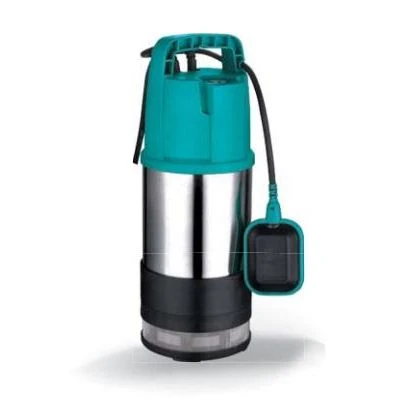
Quality Control and Testing
We have a strict quality control process in place to ensure that every pump meets our noise standards. Each pump undergoes comprehensive testing before it leaves our factory. We use specialized noise - measuring equipment to accurately measure the noise level of the pump under different operating conditions. If a pump does not meet our noise requirements, it is sent back for further adjustment or improvement.
Customer Feedback and Improvement
We value our customers' feedback and use it to continuously improve our products. If a customer reports a noise issue with one of our pumps, we take it seriously and investigate the cause. We then use this information to make design changes or improvements to our manufacturing process to prevent similar issues in the future.
Conclusion
The noise level of a garden pump is an important consideration when choosing a pump for your garden. By understanding the factors that affect noise levels, the typical noise ranges of different types of pumps, and how we ensure low noise levels in our products, you can make an informed decision. Whether you need a quiet pump for a small residential garden or a more powerful pump for a large - scale landscaping project, we have a wide range of garden pumps to meet your needs.
If you are interested in learning more about our garden pumps or would like to discuss your specific requirements, please feel free to contact us. We are always ready to assist you in finding the perfect pump for your garden.
References
- "Pump Handbook" by Igor J. Karassik et al.
- Industry standards and guidelines for pump noise measurement and control.