

Hey there, gardening enthusiasts! As a supplier of top - notch garden pumps, I often get asked a bunch of questions. One question that pops up quite frequently is, "What is the maximum temperature a garden pump can withstand?" Well, let's dig into this topic and find out all about it.
First off, it's important to understand that there are different types of garden pumps out there. We've got Electric Garden Water Pump, Garden Submersible Pump, and Electric Garden Pump. Each type has its own unique features and temperature tolerances.
Surface Garden Pumps
Surface garden pumps, like the Electric Garden Water Pump, are typically installed above the water source. They're easy to access for maintenance and are great for small to medium - sized gardens. Now, the maximum temperature these pumps can handle depends on a few factors.
Most surface pumps are designed to operate in relatively normal temperature ranges. Generally speaking, they can handle ambient temperatures between 32°F (0°C) and 104°F (40°C) without any major issues. When the temperature is within this range, the motor in the pump runs smoothly, and the internal components are not at risk of overheating.
However, if the temperature rises above 104°F (40°C), things can start to get tricky. High temperatures can cause the motor to overheat, which may lead to a breakdown. The insulation on the electrical wires can also start to degrade, increasing the risk of electrical short - circuits. Additionally, the seals in the pump may expand or contract due to the heat, leading to leaks.
On the other hand, if the temperature drops below 32°F (0°C), the water in the pump can freeze. When water freezes, it expands, and this can crack the pump casing or damage the impeller. So, if you live in an area with cold winters, it's crucial to drain the pump before the temperature drops too low.
Submersible Garden Pumps
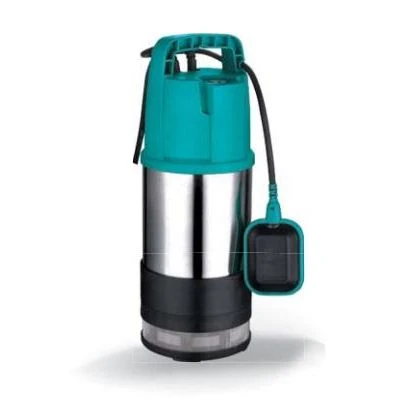
Garden submersible pumps, as the name suggests, are designed to be submerged in water. These pumps are great for larger gardens or areas where you need to pump water from a deep well or a large pond.
Submersible pumps have a bit more leeway when it comes to temperature tolerance. Since they're submerged in water, the water acts as a coolant for the pump. In general, submersible pumps can handle water temperatures up to 122°F (50°C). The water around the pump helps dissipate the heat generated by the motor, allowing it to operate at higher temperatures.
But even submersible pumps have their limits. If the water temperature exceeds 122°F (50°C), the motor can still overheat. The lubricating oil inside the pump may also break down at high temperatures, reducing the lifespan of the pump. And just like surface pumps, submersible pumps are also at risk of damage if the water freezes.
Factors Affecting Temperature Tolerance
There are a few other factors that can affect how well a garden pump can withstand high temperatures.
The quality of the pump is a major factor. High - quality pumps are usually built with better materials and more advanced cooling systems. They're more likely to handle extreme temperatures without breaking down. Cheaper pumps, on the other hand, may not be as durable and may fail at lower temperatures.

The amount of work the pump is doing also matters. If the pump is running continuously at full capacity, it will generate more heat. This means that it may reach its maximum temperature limit faster than if it's running intermittently or at a lower capacity.
The environment in which the pump is installed also plays a role. If the pump is installed in a poorly ventilated area, the heat will have a harder time dissipating. This can cause the pump to overheat even if the ambient temperature is within the normal range.
Tips for Keeping Your Garden Pump Cool
To make sure your garden pump lasts as long as possible, here are some tips for keeping it cool:
- Proper Installation: Make sure the pump is installed in a well - ventilated area. If it's a surface pump, leave enough space around it for air to circulate. If it's a submersible pump, make sure it's fully submerged in water.
- Regular Maintenance: Keep the pump clean and free of debris. A dirty pump can overheat more easily. Check the oil levels in submersible pumps regularly and change the oil as recommended by the manufacturer.
- Use a Timer: If possible, use a timer to control when the pump runs. This can prevent the pump from running continuously, reducing the amount of heat it generates.
- Shade the Pump: If the pump is installed outdoors, consider providing some shade. This can help reduce the ambient temperature around the pump, especially during hot summer days.
Conclusion
So, to answer the question, the maximum temperature a garden pump can withstand depends on the type of pump. Surface pumps can generally handle ambient temperatures between 32°F (0°C) and 104°F (40°C), while submersible pumps can handle water temperatures up to 122°F (50°C). But remember, these are just general guidelines, and there are many factors that can affect a pump's temperature tolerance.
If you're in the market for a new garden pump or need some advice on how to take care of your existing pump, don't hesitate to reach out. We're here to help you find the perfect pump for your needs and ensure it lasts for years to come. Whether you're looking for an Electric Garden Water Pump, a Garden Submersible Pump, or an Electric Garden Pump, we've got you covered. Contact us today to start the procurement discussion!
References
- "Pump Handbook" by Igor J. Karassik
- Manufacturer's manuals for various garden pumps