

The maximum flow rate a garden pump can achieve is a crucial factor for anyone looking to water their garden efficiently. As a leading garden pumps supplier, we understand the importance of this metric and are here to provide you with a comprehensive guide on what to expect and how to choose the right pump for your needs.
Understanding Flow Rate
Flow rate, measured in gallons per minute (GPM) or liters per minute (LPM), indicates how much water a pump can move within a specific time frame. In the context of garden pumps, a higher flow rate means more water can be delivered to your garden quickly, which is especially beneficial for large gardens or areas with high water demand.
Factors Affecting Maximum Flow Rate
Several factors influence the maximum flow rate a garden pump can achieve:
Pump Type
- Electric Garden Water Pump: These pumps are commonly used in gardens due to their ease of use and relatively high efficiency. They can be connected to a standard electrical outlet and are suitable for various applications, from watering plants to filling small ponds. The maximum flow rate of an Electric Garden Water Pump can range from 10 to 50 GPM, depending on the model and power.
- Cast Iron Garden Pump: Known for their durability and robustness, cast iron garden pumps are designed to handle more demanding tasks. They can withstand harsh environmental conditions and are often used for pumping water from wells or large water sources. A Cast Iron Garden Pump can achieve a maximum flow rate of 20 to 60 GPM, making them a great choice for larger gardens or commercial applications.
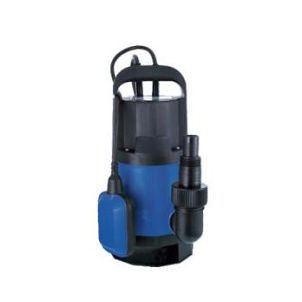
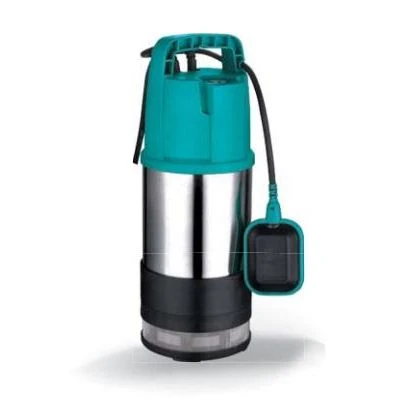
- Garden Submersible Pump: These pumps are designed to be submerged in water, which allows them to draw water more efficiently. They are ideal for pumping water from deep wells, ponds, or other water sources. The maximum flow rate of a Garden Submersible Pump can vary widely, from 15 to 100 GPM or more, depending on the size and power of the pump.
Power
The power of the pump motor plays a significant role in determining the flow rate. Generally, pumps with higher horsepower (HP) can move more water per minute. For example, a 1 HP pump can typically achieve a higher flow rate than a 0.5 HP pump. However, it's important to note that power consumption also increases with higher horsepower, so you need to balance your needs with energy efficiency.
Head Pressure
Head pressure refers to the vertical distance the pump needs to lift the water, as well as the resistance in the pipes and fittings. The higher the head pressure, the more energy the pump needs to overcome it, which can reduce the flow rate. When choosing a garden pump, it's essential to consider the head pressure requirements of your system to ensure the pump can deliver the desired flow rate.
Pipe Size and Length
The size and length of the pipes used in your garden irrigation system can also affect the flow rate. Smaller pipes or longer pipe runs can create more resistance, reducing the amount of water that can flow through the system. To maximize the flow rate, it's recommended to use larger diameter pipes and keep the pipe length as short as possible.
Choosing the Right Pump for Your Garden
To determine the maximum flow rate you need for your garden, consider the following factors:
Garden Size
The size of your garden is one of the most important factors in determining the flow rate. Larger gardens require more water to be delivered quickly, so you'll need a pump with a higher flow rate. As a general rule of thumb, a small garden (less than 1,000 square feet) may only require a pump with a flow rate of 10 to 20 GPM, while a large garden (over 5,000 square feet) may need a pump with a flow rate of 30 to 50 GPM or more.
Watering Requirements
The type of plants in your garden and their watering needs also play a role in determining the flow rate. Some plants, such as vegetables and flowers, require more frequent watering than others. If you have a lot of high-water-demand plants, you'll need a pump that can deliver a higher flow rate to ensure they receive enough water.
Irrigation System
The type of irrigation system you use can also affect the flow rate requirements. For example, drip irrigation systems typically require a lower flow rate than sprinkler systems. If you're using a combination of different irrigation methods, you'll need to calculate the total flow rate required for each system and choose a pump that can meet those needs.
Our Range of Garden Pumps
As a trusted garden pumps supplier, we offer a wide range of pumps to suit different needs and budgets. Our pumps are designed to provide reliable performance, energy efficiency, and long-lasting durability. Whether you have a small backyard garden or a large commercial landscape, we have the right pump for you.
- High-Flow Pumps: Our high-flow pumps are designed to deliver maximum water flow for large gardens or areas with high water demand. These pumps are available in various horsepower ratings and can achieve flow rates of up to 100 GPM or more.
- Energy-Efficient Pumps: We also offer a range of energy-efficient pumps that are designed to reduce power consumption without sacrificing performance. These pumps are ideal for homeowners who want to save on energy costs while still maintaining a healthy garden.
- Submersible Pumps: Our submersible pumps are perfect for pumping water from deep wells, ponds, or other water sources. They are designed to be submerged in water, which allows them to draw water more efficiently and achieve higher flow rates.
Contact Us for More Information
If you're still unsure which garden pump is right for you or have any questions about the maximum flow rate, our team of experts is here to help. We can provide you with personalized advice and recommendations based on your specific needs and requirements. Contact us today to discuss your options and start watering your garden more efficiently.
References
- "Pump Handbook" by Igor J. Karassik, Joseph P. Messina, Paul Cooper, and Charles C. Heald.
- "Irrigation System Design Handbook" by the Irrigation Association.