

Hey there! As a supplier of solar surface water pumps, I often get asked about the maintenance cost of these pumps over their lifetime. Well, let's dive right into it and break down all the factors that affect the long - term maintenance expenses.
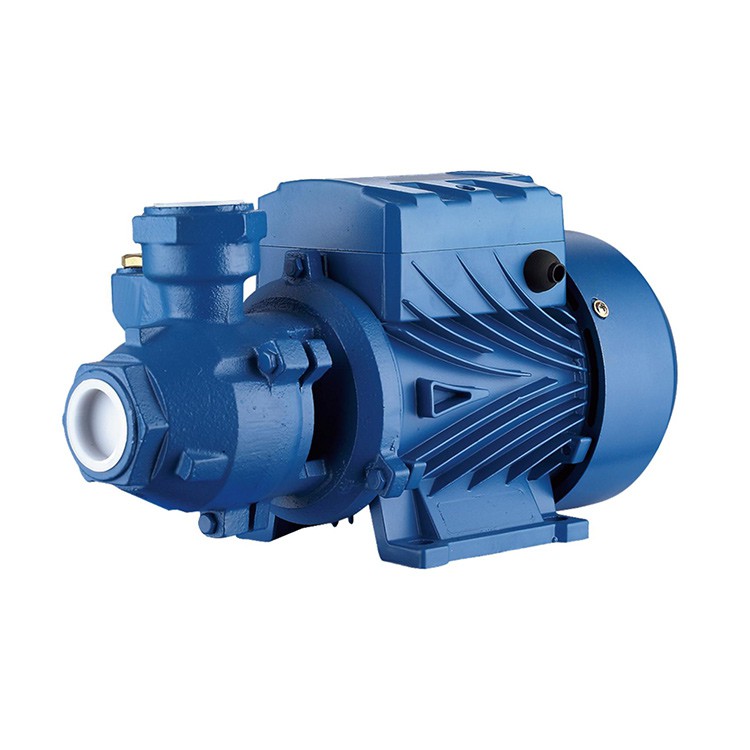
First off, it's important to understand the different types of solar surface water pumps we offer. We have Solar Centrifugal Pumps, Solar Peripheral Pumps, and Solar Jet Pumps. Each type has its own unique characteristics, and these can influence the maintenance costs.
Initial Installation and Setup
The initial installation of a solar surface water pump is a crucial step that can impact future maintenance. A proper installation ensures that the pump operates efficiently from the start, reducing the likelihood of early - stage problems. When we install the pump, we make sure that the solar panels are correctly positioned to receive maximum sunlight. If the panels aren't set up right, they won't generate enough power, which can put extra strain on the pump motor. This extra strain can lead to more frequent breakdowns and higher maintenance costs down the line.
We also take care to install the pump in a clean and dry environment. If the pump is exposed to excessive dirt, dust, or moisture, it can cause corrosion and damage to the internal components. For example, water ingress can short - circuit the electrical parts, and dirt can clog the impellers. By installing the pump in an ideal location, we're basically giving it a head start in its lifespan and keeping maintenance costs in check.
Regular Inspections
Regular inspections are a must for keeping the maintenance cost of a solar surface water pump low. We recommend inspecting the pump at least once a month. During these inspections, we check the solar panels for any signs of damage, such as cracks or scratches. Damaged panels can reduce the efficiency of the power generation, and if left unaddressed, they can eventually fail completely. Replacing a solar panel is a significant expense, so catching the problem early is key.
We also look at the pump motor. The motor is the heart of the pump, and any issues with it can be costly to fix. We check for proper lubrication, as a lack of lubrication can cause friction and wear on the moving parts. Additionally, we listen for any unusual noises coming from the motor, which could indicate a problem with the bearings or other internal components.
The electrical connections are another important part of the inspection. Loose or corroded connections can lead to power loss and even electrical fires. We make sure all the connections are tight and clean, and we replace any damaged wires or connectors as soon as possible.
Component Replacement
Over time, some components of the solar surface water pump will need to be replaced. The most common components that require replacement are the impellers, seals, and bearings. The impellers are responsible for moving the water, and they can wear out due to the constant contact with water and any debris in it. When the impellers are worn, the pump's performance will decline, and it may not be able to pump water as effectively.
Seals are used to prevent water from leaking out of the pump. If the seals fail, water can leak into the motor, causing damage. We usually recommend replacing the seals every 1 - 2 years, depending on the usage of the pump.
Bearings are another component that has a limited lifespan. They support the rotating parts of the motor and can wear out due to friction. When the bearings start to fail, they can make a lot of noise and cause the motor to overheat. Replacing bearings is a relatively simple and inexpensive repair, but if it's not done in time, it can lead to more severe motor damage.
The cost of these component replacements can vary. The impellers and seals are usually relatively inexpensive, while the cost of a new motor can be quite high. However, if we catch the problems early and replace the components as needed, we can avoid more costly repairs in the future.
Cleaning and Maintenance
Keeping the solar surface water pump clean is an important part of reducing maintenance costs. We recommend cleaning the solar panels regularly to remove any dirt, dust, or debris that may accumulate on them. A dirty panel can reduce the amount of sunlight it absorbs, which in turn reduces the power output. We usually clean the panels with a soft brush and a mild detergent.
The pump itself also needs to be cleaned. If the pump is used to pump water with a high sediment content, the sediment can build up inside the pump over time. This build - up can clog the impellers and other internal components, reducing the pump's efficiency. We use a flushing process to remove the sediment from the pump. This involves running clean water through the pump at a high pressure to dislodge and flush out the sediment.

Operational Environment
The operational environment of the solar surface water pump can have a significant impact on its maintenance cost. If the pump is used in a harsh environment, such as an area with high levels of pollution or a corrosive atmosphere, it will require more frequent maintenance. For example, in a coastal area, the salt in the air can corrode the metal parts of the pump. In this case, we may need to apply anti - corrosion coatings to the pump and inspect it more frequently.
On the other hand, if the pump is used in a relatively clean and stable environment, the maintenance requirements will be less. However, even in a good environment, we still need to follow the regular maintenance schedule to ensure the pump's longevity.
Cost - Saving Tips
There are several ways to save on the maintenance cost of a solar surface water pump. One way is to invest in a high - quality pump from the start. A well - made pump is more likely to be durable and reliable, reducing the need for frequent repairs. We offer a range of high - quality pumps that are designed to withstand the test of time.
Another tip is to train the pump users on proper operation and maintenance. When the users know how to operate the pump correctly, they can avoid making mistakes that could damage the pump. For example, they should know not to run the pump dry, as this can cause severe damage to the impellers and other components.
Finally, having a maintenance contract with us can also save you money. Our maintenance contracts include regular inspections, component replacements, and cleaning services at a fixed cost. This way, you know exactly how much you'll be spending on maintenance over the pump's lifetime, and you can budget accordingly.
Conclusion
So, what's the bottom line on the maintenance cost of a solar surface water pump over its lifetime? Well, it really depends on how well the pump is installed, maintained, and the environment in which it operates. By following a regular maintenance schedule, catching problems early, and investing in high - quality components, we can keep the maintenance cost relatively low.
If you're considering purchasing a solar surface water pump, we're here to help. We have a team of experts who can guide you through the entire process, from choosing the right pump to providing long - term maintenance services. Don't hesitate to reach out to us if you have any questions or if you're ready to start the procurement process. We're eager to work with you and make sure you get the most out of your solar surface water pump at the lowest possible maintenance cost.
References
- "Solar Water Pumping Systems: Design, Installation, and Maintenance" by XYZ Publishing
- "Pump Handbook" by ABC Press
- Industry reports on solar surface water pump maintenance from various research institutions