

Hey there, folks! I'm a supplier of Solar Centrifugal Pumps, and today I wanna chat about something super important: the impact of pump speed on the performance of solar centrifugal pumps.
First off, let's get a basic understanding of solar centrifugal pumps. These pumps are pretty cool because they use solar energy to move water. They're great for all sorts of applications, like watering gardens, supplying water for small farms, or even in some off - grid homes. And the speed at which the pump operates can make a huge difference in how well it works.
Flow Rate and Pump Speed
One of the most obvious impacts of pump speed is on the flow rate. Flow rate is basically how much water the pump can move in a certain amount of time, usually measured in liters per minute or gallons per minute. As a general rule, the faster the pump speed, the higher the flow rate.
Think about it like a fan. When you turn the fan up to a higher speed, it blows more air. Similarly, when the impeller (that's the spinning part inside the pump) of a solar centrifugal pump rotates faster, it can push more water through the pump. This is because the centrifugal force generated by the spinning impeller is stronger at higher speeds. The stronger the force, the more water it can pick up and send out through the outlet.
But here's the thing. There's a limit to how much the flow rate can increase with speed. At some point, increasing the pump speed won't result in a proportional increase in the flow rate. This is due to factors like friction inside the pump and the resistance in the pipes. So, while it might seem like just cranking up the speed will always give you more water flow, it's not that simple.
Head and Pump Speed
Another crucial aspect of pump performance is the head. Head refers to the height that the pump can lift the water. It's measured in meters or feet. Just like with the flow rate, the pump speed has a big impact on the head.
When the pump speed goes up, the head also increases. The faster the impeller spins, the more energy it imparts to the water. This extra energy allows the water to be lifted to a greater height. For example, if you have a solar centrifugal pump that's used to pump water from a well to a storage tank on a rooftop, increasing the pump speed can help the water reach a higher rooftop.
However, just as with the flow rate, there are limitations. As the pump speed increases, the power consumption also goes up. And if you try to increase the speed too much, the pump might not be able to handle the extra load, which can lead to overheating and even damage to the pump.
Efficiency and Pump Speed
Efficiency is a key factor when it comes to solar centrifugal pumps. We want these pumps to use as much of the solar energy they collect as possible to move water. And pump speed plays a major role in efficiency.
At lower speeds, the pump might not be operating at its most efficient point. The impeller might not be generating enough force to move the water effectively, and there could be a lot of energy losses. On the other hand, if the pump speed is too high, the energy losses due to friction and other factors can also increase, reducing the overall efficiency.
There's usually an optimal pump speed for each solar centrifugal pump where it operates at the highest efficiency. This optimal speed depends on various factors such as the pump design, the size of the impeller, and the characteristics of the solar panel system that powers the pump.
Power Consumption and Pump Speed
Power consumption is directly related to pump speed. As the pump speed increases, so does the power required to run the pump. Solar centrifugal pumps rely on solar panels to generate electricity. If the pump speed is too high, the solar panels might not be able to supply enough power, especially on cloudy days or during low - light conditions.
This means that we need to find a balance between the pump speed, the power output of the solar panels, and the performance requirements. For example, if you have a small solar panel system, you might need to keep the pump speed relatively low to ensure that the pump can run continuously without running out of power.
Applications and Pump Speed
The impact of pump speed also varies depending on the application. For instance, in a small home garden where you just need a gentle flow of water for watering plants, a lower pump speed might be sufficient. This not only saves energy but also prevents over - watering.

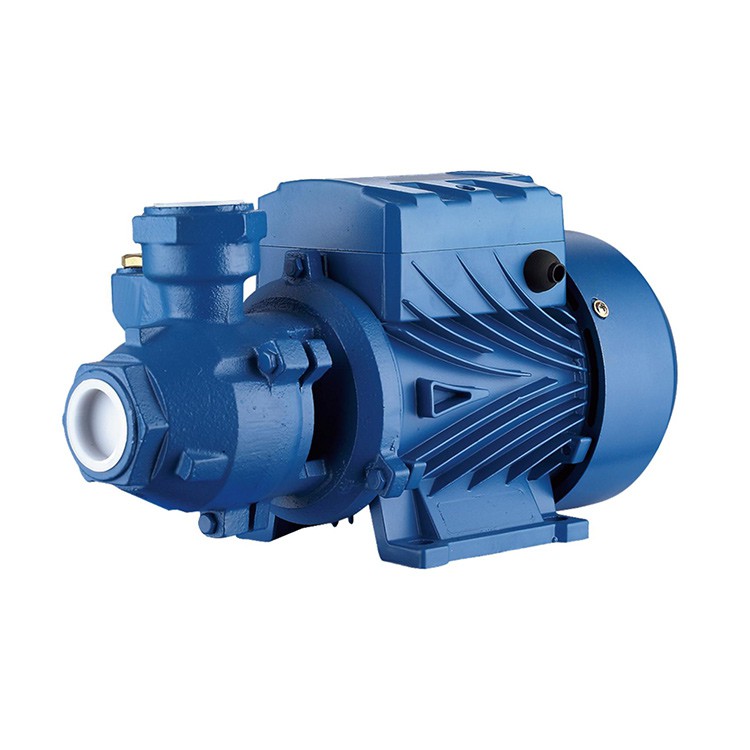
On the other hand, if you're using the pump for irrigation on a larger farm, you might need a higher pump speed to ensure that enough water is delivered to all the fields in a timely manner. In this case, you might need a larger solar panel system to support the higher power consumption.
Other Related Solar Pumps
If you're interested in other types of solar pumps, we also have Solar Jet Pumps and Solar Peripheral Pumps. These pumps have their own unique characteristics and performance factors, but pump speed also affects them in similar ways.
Conclusion and Call to Action
In conclusion, the pump speed has a significant impact on the performance of solar centrifugal pumps, affecting the flow rate, head, efficiency, and power consumption. Understanding these relationships is crucial for getting the most out of your solar pump system.
If you're in the market for a solar centrifugal pump or any of our other solar pumps, I'd love to talk to you. Whether you're a homeowner looking for a simple water supply solution or a farmer in need of an efficient irrigation system, we've got the right pump for you. Feel free to reach out and let's discuss your specific requirements. We can help you choose the right pump and set it up to operate at the optimal speed for your needs.
References
- "Solar Water Pumping Systems: Design and Installation Guide" by International Renewable Energy Agency (IRENA)
- "Centrifugal Pumps: Theory, Design, and Application" by various authors in the field of fluid mechanics