

As a supplier of Solar Peripheral Pumps, I often get asked about the flow rate of these pumps. Understanding the flow rate is crucial for anyone looking to purchase a solar pump, as it directly impacts the pump's efficiency and suitability for specific applications. In this blog post, I'll delve into what the flow rate of solar peripheral pumps is, how it's measured, and the factors that influence it.
What is Flow Rate?
Flow rate refers to the volume of fluid that a pump can move within a specific period. It is typically measured in liters per minute (L/min), gallons per minute (GPM), or cubic meters per hour (m³/h). For solar peripheral pumps, the flow rate indicates how much water they can draw from a source, such as a well, river, or tank, and deliver to the desired location, whether it's for irrigation, domestic use, or industrial applications.
How is the Flow Rate of Solar Peripheral Pumps Measured?
The flow rate of solar peripheral pumps is measured under specific conditions in a controlled environment. Manufacturers usually test the pumps at a standard head (pressure) and temperature to provide accurate flow rate specifications. To measure the flow rate, a known volume of water is collected over a set period, and the flow rate is calculated based on this data. For example, if 60 liters of water are collected in one minute, the flow rate is 60 L/min.
Factors Influencing the Flow Rate of Solar Peripheral Pumps
Several factors can affect the flow rate of solar peripheral pumps. Understanding these factors is essential for selecting the right pump for your needs and ensuring optimal performance.
Solar Irradiance
Solar peripheral pumps rely on solar energy to operate. The amount of sunlight (solar irradiance) available directly impacts the pump's power output and, consequently, its flow rate. On sunny days with high solar irradiance, the pump can generate more power, resulting in a higher flow rate. Conversely, on cloudy days or during periods of low sunlight, the flow rate may decrease significantly.
Pump Design and Specifications
The design and specifications of the pump play a crucial role in determining its flow rate. Factors such as the impeller size, number of stages, and motor power can all affect how much water the pump can move. Pumps with larger impellers and more stages generally have higher flow rates. Additionally, the efficiency of the pump's design can impact its performance. A well-designed pump will convert more of the solar energy into mechanical energy, resulting in a higher flow rate.
Head (Pressure)
The head, or pressure, that the pump needs to overcome to deliver water to the desired location also affects the flow rate. As the head increases, the pump has to work harder to push the water, which can reduce the flow rate. For example, if you need to pump water to a higher elevation or over a long distance, the head will be higher, and the flow rate may be lower compared to a situation with a lower head.
Water Source Conditions
The conditions of the water source can also impact the flow rate. If the water source has a low water level or is contaminated with debris, it can affect the pump's ability to draw water and reduce the flow rate. Additionally, the temperature and viscosity of the water can play a role. Warmer water is less viscous, which can make it easier for the pump to move, resulting in a slightly higher flow rate.
Comparing Flow Rates of Different Solar Pumps
When considering a solar pump, it's important to compare the flow rates of different types of pumps to find the one that best suits your needs. In addition to Solar Peripheral Pumps, there are other types of solar pumps available, such as Solar Centrifugal Pumps and Solar Jet Pumps.
Solar centrifugal pumps are known for their high flow rates and are suitable for applications that require large volumes of water to be moved quickly, such as large-scale irrigation. These pumps work by using centrifugal force to move the water, which allows them to achieve high flow rates even at relatively low heads.

Solar jet pumps, on the other hand, are designed to work well at higher heads. They are often used in applications where water needs to be pumped from a deep well or over a long distance. While their flow rates may be lower compared to centrifugal pumps, they can still provide sufficient water for many domestic and small-scale irrigation needs.
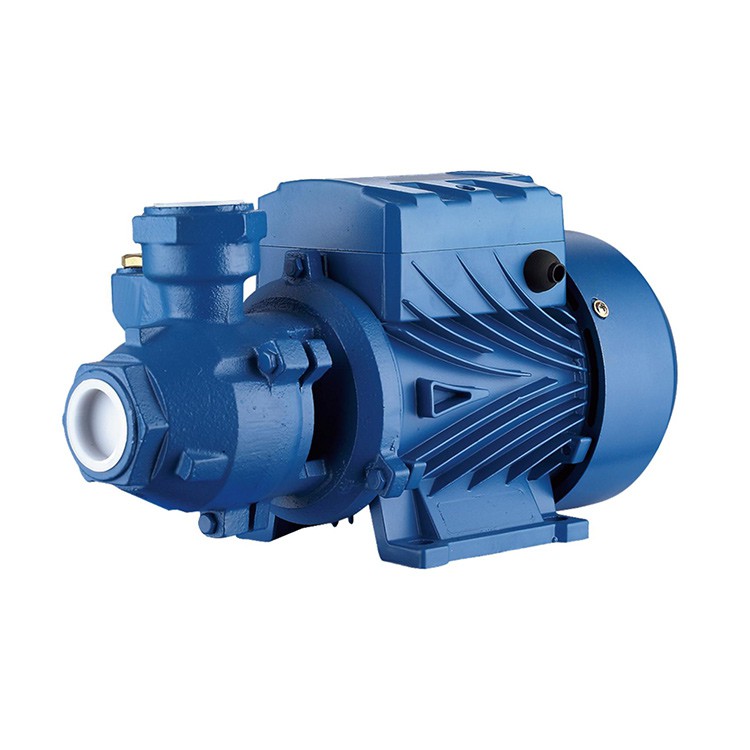
Solar peripheral pumps offer a balance between flow rate and head. They are suitable for a wide range of applications, including small to medium-sized irrigation systems, domestic water supply, and light industrial use. These pumps are relatively compact and efficient, making them a popular choice for many users.
Selecting the Right Flow Rate for Your Application
To select the right flow rate for your application, you need to consider several factors, including the size of the area you need to irrigate, the number of water outlets, and the water requirements of your plants or equipment. For example, if you are irrigating a small garden, a pump with a lower flow rate may be sufficient. However, if you are watering a large agricultural field, you will need a pump with a higher flow rate.
It's also important to consider the peak water demand. You may need to select a pump with a higher flow rate to meet the peak demand, even if the average demand is lower. This ensures that you have enough water available when you need it most.
Importance of Accurate Flow Rate for System Efficiency
An accurate flow rate is essential for the efficiency of your solar pump system. If the flow rate is too low, you may not be able to meet the water requirements of your application, which can lead to poor plant growth or inefficient operation of equipment. On the other hand, if the flow rate is too high, it can waste energy and water, increasing your operating costs.
By selecting a pump with the right flow rate and ensuring that it is properly installed and maintained, you can maximize the efficiency of your solar pump system and reduce your environmental impact.
Conclusion
In conclusion, the flow rate of solar peripheral pumps is a critical factor to consider when selecting a pump for your application. It is influenced by several factors, including solar irradiance, pump design, head, and water source conditions. By understanding these factors and comparing the flow rates of different types of solar pumps, you can choose the right pump for your needs and ensure optimal performance.
If you're interested in learning more about our Solar Peripheral Pumps or have any questions about flow rates and pump selection, we'd be happy to assist you. Contact us today to start a conversation about your specific requirements and explore how our pumps can meet your needs.
References
- "Solar Water Pumping Systems: Design and Installation Guide" by International Renewable Energy Agency (IRENA)
- "Pump Handbook" by Igor J. Karassik et al.