

Hey there, fellow gardening enthusiasts! As a supplier of garden pumps, I often get asked about the flow rate of a typical garden pump. It's a crucial factor to consider when choosing the right pump for your garden needs. So, let's dive into this topic and figure out what you need to know.
First off, what exactly is flow rate? Simply put, flow rate is the volume of water that a pump can move in a given amount of time. It's usually measured in gallons per minute (GPM) or liters per minute (LPM). The flow rate you need depends on what you're using the pump for. For example, if you're just watering a small flower bed, you won't need a pump with a high flow rate. But if you're filling a large pond or running a sprinkler system, a higher flow rate will be necessary.
Now, let's talk about the flow rates of different types of garden pumps.
Cast Iron Garden Pump
A Cast Iron Garden Pump is a popular choice for many gardeners. These pumps are known for their durability and reliability. They can handle a variety of tasks, from watering plants to draining small pools.
The flow rate of a typical cast iron garden pump can range from about 5 GPM to 20 GPM. Smaller cast iron pumps, which are often used for basic watering tasks, might have a flow rate of around 5 - 10 GPM. These are great for small gardens or for spot watering individual plants.
On the other hand, larger cast iron pumps with more powerful motors can have a flow rate of up to 20 GPM or even higher. These are better suited for larger gardens, or for tasks that require a lot of water to be moved quickly, like filling a large water tank.
Garden Submersible Pump
Garden Submersible Pumps are designed to be submerged in water, making them ideal for pumping water from wells, ponds, or other water sources.
The flow rate of a garden submersible pump can vary widely. Smaller submersible pumps, which are often used for decorative fountains or small ponds, might have a flow rate of around 3 - 10 GPM. These pumps are relatively quiet and energy - efficient.
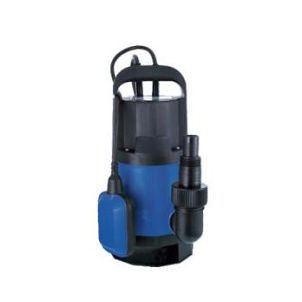

For larger applications, such as supplying water to a large garden irrigation system or draining a flooded area, submersible pumps can have a flow rate of 15 GPM or more. Some high - end submersible pumps can even reach flow rates of 50 GPM or higher, but these are usually used for commercial or very large - scale residential applications.
Electric Garden Pump
Electric Garden Pumps are another common option. They are easy to use and can be plugged into a standard electrical outlet.
The flow rate of an electric garden pump typically ranges from 5 GPM to 30 GPM. Smaller electric pumps, which are suitable for light - duty tasks like watering hanging baskets or a small vegetable patch, may have a flow rate of 5 - 15 GPM.
Larger electric pumps, with more powerful motors, can have a flow rate of 20 - 30 GPM. These are great for larger gardens, or for running multiple sprinklers at the same time.
So, how do you decide what flow rate you need for your garden? Here are a few things to consider:
Size of Your Garden
The larger your garden, the higher the flow rate you'll probably need. If you have a small garden, a pump with a flow rate of 5 - 10 GPM might be sufficient. But for a large garden, you'll want a pump with a flow rate of 15 GPM or more.
Watering Method
If you're using a simple hose to water your plants, a lower flow rate might be okay. But if you're using a sprinkler system or a drip irrigation system, you'll need a pump with a higher flow rate to ensure that all your plants get enough water.
Water Source
The type of water source you're using can also affect the flow rate you need. If you're pumping water from a well or a pond, you might need a pump with a higher flow rate to overcome the resistance of the water being drawn from a lower level.
In addition to flow rate, there are a few other factors you should consider when choosing a garden pump. These include the pump's head pressure (which is how high the pump can lift water), its power consumption, and its noise level.
Head pressure is important because if you need to pump water up a hill or to a second - story balcony, you'll need a pump with a high enough head pressure to do the job. Power consumption is something to keep in mind if you're worried about your electricity bill. And if you don't want a noisy pump disturbing your peaceful garden, look for one with a low noise level.
As a garden pump supplier, I'm here to help you find the perfect pump for your needs. Whether you're a beginner gardener just starting out, or an experienced green thumb looking to upgrade your equipment, we have a wide range of garden pumps to choose from.
If you're interested in learning more about our garden pumps, or if you want to discuss your specific requirements, feel free to reach out. We can provide you with detailed information about the flow rates, features, and prices of our products. And we're always happy to help you make the right choice for your garden.
In conclusion, the flow rate of a typical garden pump depends on the type of pump and the specific model. By considering your garden size, watering method, and water source, you can determine the right flow rate for your needs. And if you need any assistance, don't hesitate to get in touch.
References:
- "Gardening Equipment Handbook" - A comprehensive guide to garden tools and machinery.
- Manufacturer's specifications for various garden pumps.