

The flow rate of a centrifugal pump is a crucial parameter that determines its efficiency and suitability for various applications. As a reputable centrifugal pumps supplier, we understand the significance of this metric and its impact on the performance of our products. In this blog post, we will delve into the concept of flow rate, its measurement, and the factors that influence it.
Understanding Flow Rate
Flow rate, also known as discharge rate, refers to the volume of fluid that a centrifugal pump can move through a system in a given period. It is typically measured in units such as liters per minute (LPM), cubic meters per hour (m³/h), or gallons per minute (GPM). The flow rate is a key indicator of a pump's capacity to meet the demands of a particular application, whether it's for domestic water supply, industrial processes, or irrigation.
Measuring Flow Rate
There are several methods to measure the flow rate of a centrifugal pump. One common approach is to use a flow meter, which can be installed in the pipeline to directly measure the volume of fluid passing through. There are different types of flow meters available, including electromagnetic, ultrasonic, and turbine flow meters, each with its own advantages and limitations.
Another method is to calculate the flow rate based on the pump's performance curve. A performance curve is a graphical representation of the relationship between the pump's flow rate, head (pressure), and power consumption. By knowing the pump's operating point on the performance curve, which is determined by the system's resistance and the pump's characteristics, we can estimate the flow rate.
Factors Affecting Flow Rate
Several factors can influence the flow rate of a centrifugal pump. Understanding these factors is essential for selecting the right pump for a specific application and ensuring optimal performance.
Pump Design
The design of the centrifugal pump plays a significant role in determining its flow rate. Factors such as the impeller diameter, blade shape, and number of blades can affect the pump's ability to transfer energy to the fluid and generate flow. Generally, larger impeller diameters and more blades can result in higher flow rates, but this also depends on the specific design and application requirements.
Rotational Speed
The rotational speed of the pump's impeller is directly proportional to the flow rate. Increasing the speed of the impeller will increase the centrifugal force acting on the fluid, resulting in a higher flow rate. However, there are limits to how much the speed can be increased, as excessive speed can lead to cavitation, which can damage the pump and reduce its efficiency.
System Resistance
The resistance of the piping system and the components connected to the pump can have a significant impact on the flow rate. Factors such as pipe diameter, length, roughness, and the presence of valves, fittings, and filters can increase the system's resistance, reducing the flow rate. It is important to design the piping system carefully to minimize resistance and ensure that the pump can operate at its optimal flow rate.
Fluid Properties
The properties of the fluid being pumped, such as viscosity, density, and temperature, can also affect the flow rate. Viscous fluids require more energy to move through the pump, resulting in a lower flow rate compared to less viscous fluids. Similarly, fluids with higher densities require more power to pump, which can also reduce the flow rate. Temperature can also affect the fluid's viscosity and density, further influencing the pump's performance.
Applications and Flow Rate Requirements
Different applications have different flow rate requirements, and it is important to select a centrifugal pump that can meet these requirements. Here are some common applications and their typical flow rate ranges:
Domestic Water Supply
For domestic water supply, centrifugal pumps are commonly used to provide water pressure and flow to homes and buildings. The flow rate requirements for domestic applications typically range from 5 to 50 LPM, depending on the number of fixtures and the size of the property. Our Centrifugal Pump for Home is specifically designed to meet the needs of domestic water supply systems, offering reliable performance and efficient operation.
Industrial Processes
In industrial processes, centrifugal pumps are used for a wide range of applications, such as chemical processing, food and beverage production, and wastewater treatment. The flow rate requirements for industrial applications can vary significantly, depending on the specific process and the size of the operation. Some industrial processes may require flow rates of several hundred or even thousands of m³/h. Our Centrifugal Force Water Pump is a versatile pump that can be customized to meet the specific flow rate and pressure requirements of various industrial applications.
Irrigation
Centrifugal pumps are widely used in irrigation systems to supply water to agricultural fields and gardens. The flow rate requirements for irrigation depend on factors such as the size of the area to be irrigated, the type of crops being grown, and the irrigation method used. Typical flow rates for irrigation systems range from 10 to 100 m³/h. Our Centrifugal Pump Mini is a compact and efficient pump that is suitable for small-scale irrigation applications, providing reliable water supply at a reasonable cost.
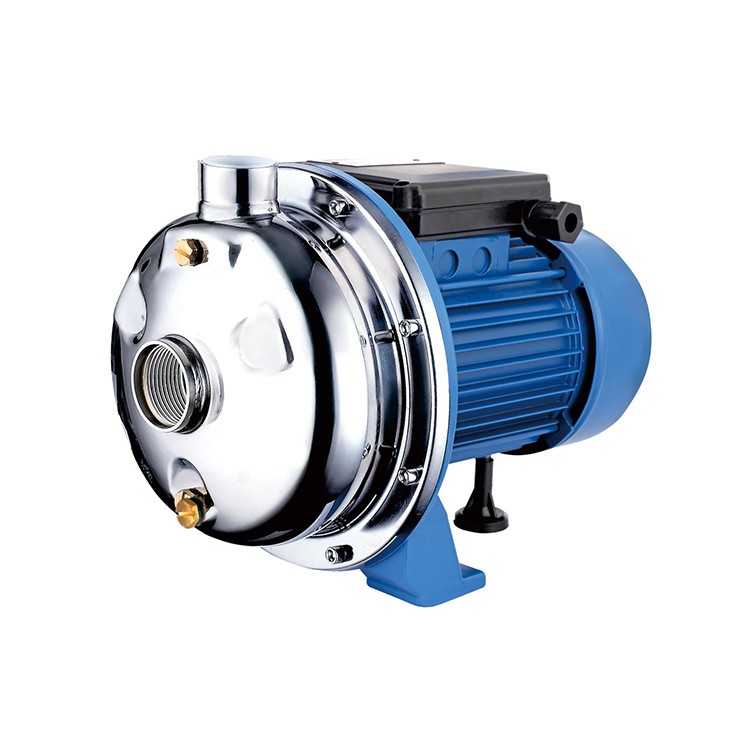

Selecting the Right Centrifugal Pump
When selecting a centrifugal pump, it is important to consider the flow rate requirements of the application, as well as other factors such as head, power consumption, and efficiency. Here are some steps to help you choose the right pump:
Determine the Flow Rate and Head Requirements
The first step is to determine the required flow rate and head for the application. This can be done by analyzing the system's requirements, such as the volume of fluid to be pumped, the distance it needs to be transported, and the elevation changes. Once you have determined the flow rate and head requirements, you can use the pump's performance curve to select a pump that can meet these requirements.
Consider the Fluid Properties
As mentioned earlier, the properties of the fluid being pumped can affect the pump's performance. It is important to consider factors such as viscosity, density, and temperature when selecting a pump. For example, if you are pumping a viscous fluid, you may need to choose a pump with a higher power rating or a different impeller design to ensure efficient operation.
Evaluate the Pump's Efficiency
The efficiency of the pump is an important factor to consider, as it can have a significant impact on energy consumption and operating costs. Look for pumps that have high efficiency ratings, as this will help you save money on energy bills over the long term.
Choose a Reliable Supplier
Finally, it is important to choose a reliable supplier who can provide you with high-quality pumps and excellent customer service. At our company, we have a team of experienced engineers and technicians who can help you select the right pump for your application and provide you with technical support and after-sales service.
Conclusion
The flow rate of a centrifugal pump is a critical parameter that determines its performance and suitability for various applications. By understanding the concept of flow rate, its measurement, and the factors that influence it, you can make an informed decision when selecting a centrifugal pump for your specific needs. As a leading centrifugal pumps supplier, we offer a wide range of pumps with different flow rates and specifications to meet the diverse requirements of our customers. If you have any questions or need assistance in selecting the right pump, please do not hesitate to contact us. We look forward to working with you to provide you with the best pumping solutions.
References
- Karassik, I. J., Messina, J. P., Cooper, P. W., & Heald, C. C. (2008). Pump Handbook (4th ed.). McGraw-Hill Professional.
- Stepanoff, A. J. (1957). Centrifugal and Axial Flow Pumps: Theory, Design, and Application. John Wiley & Sons.
- ISO 9906:2012. Rotary pumps - Hydraulic performance acceptance tests - Grades 1 and 2. International Organization for Standardization.