

Hey there! As a supplier of centrifugal pumps, I often get asked about the abrasiveness of the fluid that's suitable for these pumps. So, I thought I'd take some time to break it down and share what I've learned over the years.
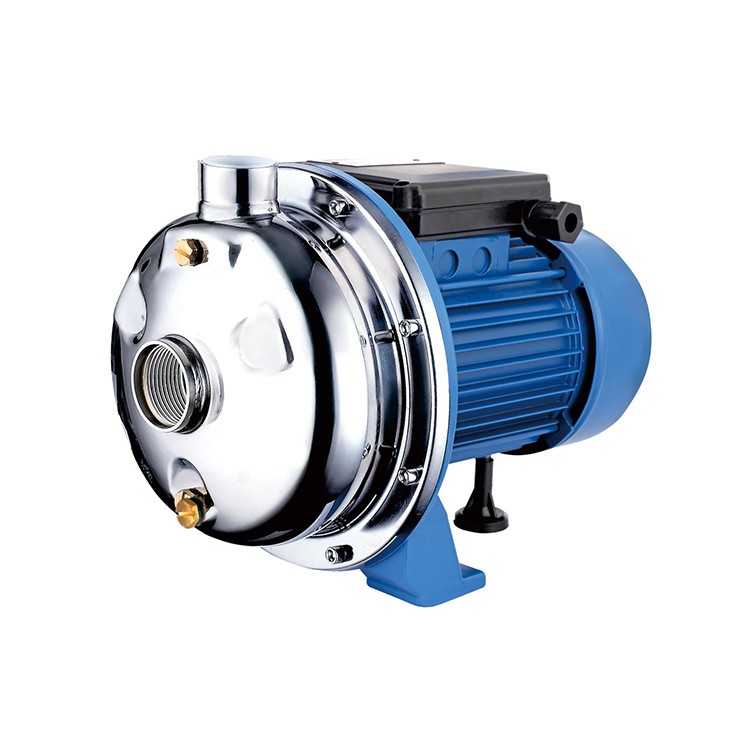

First off, let's talk about what abrasiveness actually means in the context of fluids. Abrasiveness refers to the ability of a fluid to wear down the materials it comes into contact with. In the case of centrifugal pumps, this means the impellers, casings, and other internal components. Fluids can contain solid particles like sand, silt, or even small metal fragments, and these particles can cause significant damage if the pump isn't designed to handle them.
Now, the level of abrasiveness that a centrifugal pump can tolerate depends on a few different factors. One of the most important is the pump's design and construction. Some pumps are built with more robust materials and better sealing mechanisms to withstand abrasive fluids. For example, pumps with hardened steel impellers or ceramic linings are generally more resistant to wear and tear.
Another factor is the size and concentration of the solid particles in the fluid. Larger particles are more likely to cause damage, as they have more mass and can create more impact when they hit the pump's components. Similarly, a high concentration of particles means there are more opportunities for abrasion to occur.
So, what kind of fluids are typically suitable for centrifugal pumps? Well, for low-abrasive applications, clear water is a no-brainer. It's a common choice for many industrial and domestic uses, and most standard centrifugal pumps can handle it just fine. But if you're dealing with water that contains a small amount of suspended solids, like rainwater runoff or mildly dirty water, you might still be able to use a centrifugal pump, as long as the particles are relatively small and the concentration isn't too high.
On the other hand, if you're working with highly abrasive fluids, like slurries or wastewater with a high sediment content, you'll need a more heavy-duty pump. These types of fluids can quickly wear out a standard pump, so it's important to choose one that's specifically designed for abrasive applications. For instance, the High Pressure Centrifugal Water Pump is a great option for handling abrasive fluids at high pressures. It's built to withstand the rigors of pumping slurries and other challenging materials.
Another option for abrasive fluids is the Centrifugal Pump for Hot Water. While it's designed primarily for hot water applications, it can also handle some degree of abrasion. The materials used in its construction are chosen for their durability and resistance to wear, making it suitable for fluids that contain small amounts of solid particles.
If you're looking for a more compact solution, the Centrifugal Pump Mini might be the right choice. Despite its small size, it's still capable of handling moderately abrasive fluids. It's a great option for applications where space is limited, but you still need a reliable pump.
It's also important to consider the operating conditions when choosing a centrifugal pump for abrasive fluids. For example, the temperature of the fluid can affect the performance and lifespan of the pump. High temperatures can cause the materials to expand and contract, which can lead to premature wear. Similarly, the pressure at which the pump operates can also have an impact. Higher pressures can increase the force with which the particles hit the pump's components, making abrasion more likely.
To ensure the long-term performance of your centrifugal pump when handling abrasive fluids, regular maintenance is key. This includes checking the pump for signs of wear, cleaning the components, and replacing any parts that are showing excessive damage. It's also a good idea to monitor the fluid's properties, such as the particle size and concentration, to make sure they're within the pump's specifications.
In conclusion, the abrasiveness of the fluid suitable for a centrifugal pump depends on a variety of factors, including the pump's design, the size and concentration of the solid particles, and the operating conditions. By choosing the right pump for your application and taking proper care of it, you can ensure that it will provide reliable performance for years to come.
If you're in the market for a centrifugal pump and need help determining the best option for your abrasive fluid application, don't hesitate to reach out. We're here to assist you in finding the perfect pump for your needs. Whether you have questions about the pumps' specifications, performance, or pricing, our team of experts is ready to provide you with the information and support you need. Contact us today to start the procurement process and take the first step towards a more efficient and reliable pumping solution.
References
- "Centrifugal Pump Handbook" by Igor Karassik
- "Abrasive Wear in Pumps: Causes, Effects, and Solutions" - Industry Research Report