

When dealing with centrifugal tank pumps, one of the most critical factors to consider is the Net Positive Suction Head (NPSH). As a trusted supplier of centrifugal tank pumps, I've witnessed firsthand the consequences that can occur when the NPSH requirement is not met. In this blog, I'll delve into what NPSH is, why it's essential, and the detrimental effects of failing to meet its requirements.
Understanding NPSH
Before we explore the implications of not meeting the NPSH requirement, let's first understand what NPSH is. NPSH is the difference between the absolute pressure at the suction port of the pump and the vapor pressure of the liquid being pumped. It represents the margin of pressure available at the pump suction to prevent the liquid from vaporizing.
There are two types of NPSH: NPSH available (NPSHa) and NPSH required (NPSHr). NPSHa is the actual pressure available at the pump suction, which is determined by the system design, including factors such as the elevation of the liquid source, the friction losses in the suction piping, and the atmospheric pressure. On the other hand, NPSHr is the minimum pressure required at the pump suction to prevent cavitation, which is a function of the pump design and operating conditions.
Why NPSH is Essential
Maintaining an adequate NPSH is crucial for the proper operation and longevity of a centrifugal tank pump. When the NPSHa is greater than the NPSHr, the pump can operate smoothly without experiencing cavitation. Cavitation is a phenomenon that occurs when the pressure at the pump suction drops below the vapor pressure of the liquid, causing the liquid to vaporize and form bubbles. These bubbles then collapse as they move to higher-pressure regions within the pump, creating shock waves that can damage the pump components.
In addition to preventing cavitation, an adequate NPSH also ensures efficient pump performance. When the NPSH requirement is met, the pump can operate at its designed flow rate and head, delivering the required amount of liquid with minimal energy consumption. This not only improves the overall efficiency of the pumping system but also reduces operating costs.
Consequences of Not Meeting the NPSH Requirement
When the NPSH requirement is not met, several issues can arise, ranging from minor performance degradation to severe pump damage. Here are some of the most common consequences:
Cavitation
As mentioned earlier, cavitation is the most significant consequence of not meeting the NPSH requirement. When cavitation occurs, the bubbles formed at the pump suction collapse, creating high-pressure shock waves that can erode the impeller, casing, and other pump components. Over time, this can lead to pitting, corrosion, and even structural damage to the pump, reducing its efficiency and lifespan.
The symptoms of cavitation include a loud noise and vibration coming from the pump, a decrease in flow rate and head, and an increase in power consumption. If left untreated, cavitation can cause the pump to fail completely, resulting in costly repairs and downtime.
Reduced Pump Performance
Even if cavitation does not occur, a low NPSH can still affect the pump's performance. When the pressure at the pump suction is insufficient, the pump may not be able to draw in the required amount of liquid, resulting in a reduced flow rate. This can lead to a decrease in the overall efficiency of the pumping system, as the pump may need to operate at a higher speed or power to achieve the desired flow rate.
In addition, a low NPSH can also cause the pump to experience surging or pulsation, which can further reduce its performance and stability. These issues can be particularly problematic in applications where a constant and reliable flow rate is required, such as in industrial processes or water treatment plants.
Increased Maintenance and Operating Costs
The damage caused by cavitation and reduced pump performance can result in increased maintenance and operating costs. As the pump components wear out more quickly, they will need to be replaced more frequently, which can be expensive. In addition, the increased power consumption due to reduced pump efficiency can also lead to higher energy costs over time.
Furthermore, the downtime associated with pump failures can have a significant impact on the productivity and profitability of a business. In some cases, the loss of production during the downtime can far outweigh the cost of the pump repairs or replacement.
Safety Risks
In some cases, not meeting the NPSH requirement can also pose safety risks. For example, if the pump is used to transfer hazardous chemicals or fluids, a pump failure due to cavitation or reduced performance can result in leaks or spills, which can be dangerous to the environment and human health.
In addition, the loud noise and vibration caused by cavitation can also be a safety hazard for the operators, as they can cause hearing damage and fatigue over time.
How to Ensure Adequate NPSH
As a centrifugal tank pump supplier, I understand the importance of ensuring adequate NPSH for the proper operation of the pump. Here are some tips to help you ensure that your pump has sufficient NPSH:
Proper System Design
The first step in ensuring adequate NPSH is to design the pumping system correctly. This includes selecting the right pump for the application, sizing the suction piping appropriately, and minimizing the friction losses in the suction line. It's also important to consider the elevation of the liquid source and the atmospheric pressure when designing the system.
When selecting a pump, make sure to choose one with a lower NPSHr requirement. This will give you more flexibility in the system design and reduce the risk of cavitation. You can find the NPSHr data for a particular pump in its performance curve or specification sheet.
Regular Maintenance and Inspection
Regular maintenance and inspection of the pump and the pumping system are essential to ensure that they are operating correctly. This includes checking the NPSHa regularly to make sure it is greater than the NPSHr, inspecting the suction piping for any blockages or leaks, and cleaning or replacing the pump components as needed.

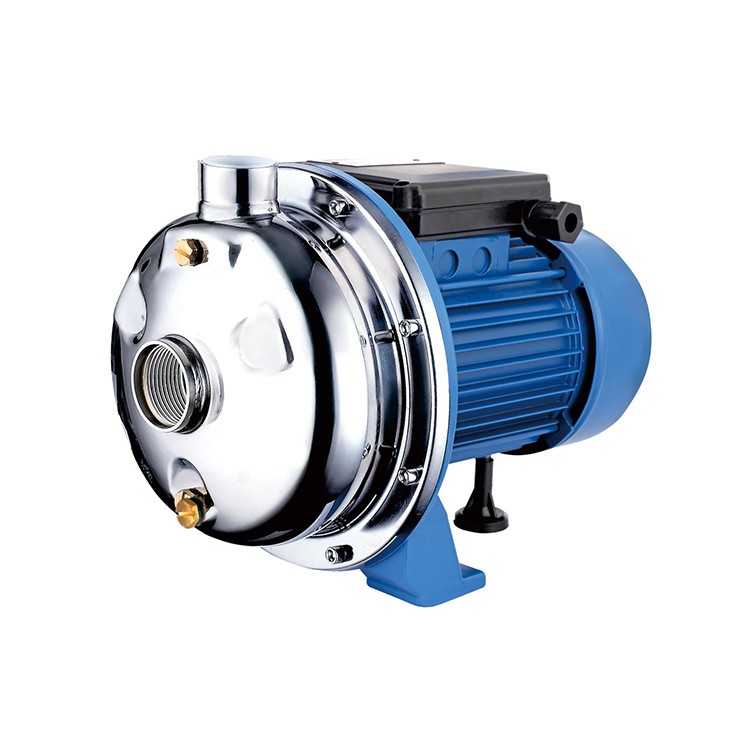
In addition, it's also important to monitor the pump's performance closely, including the flow rate, head, power consumption, and noise and vibration levels. Any significant changes in these parameters could indicate a problem with the NPSH or other pump issues, and should be investigated immediately.
Use of NPSH-Amplifying Devices
In some cases, it may be necessary to use NPSH-amplifying devices to increase the NPSHa at the pump suction. These devices, such as booster pumps or suction stabilizers, can help to increase the pressure at the pump suction, reducing the risk of cavitation and improving the pump's performance.
However, it's important to note that the use of NPSH-amplifying devices should be carefully considered, as they can add complexity and cost to the pumping system. Before using these devices, it's recommended to consult with a pump expert or engineer to determine if they are necessary and appropriate for your application.
Our Centrifugal Tank Pumps
At our company, we offer a wide range of centrifugal tank pumps that are designed to meet the diverse needs of our customers. Our pumps are engineered to provide high performance, reliability, and efficiency, even in the most demanding applications.
We offer several models of centrifugal pumps, including the Centrifugal Pump Mini, which is ideal for small-scale applications, the Centrifugal Pump for Hot Water, which is designed to handle high-temperature liquids, and the Centrifugal Pump for Agriculture, which is suitable for irrigation and other agricultural applications.
All of our pumps are designed with a low NPSHr requirement, making them less susceptible to cavitation and ensuring reliable operation. In addition, we provide comprehensive technical support and after-sales service to help our customers ensure that their pumps are installed, operated, and maintained correctly.
Conclusion
In conclusion, meeting the NPSH requirement is essential for the proper operation and longevity of a centrifugal tank pump. When the NPSH requirement is not met, several issues can arise, including cavitation, reduced pump performance, increased maintenance and operating costs, and safety risks.
As a centrifugal tank pump supplier, we understand the importance of ensuring adequate NPSH for our customers. That's why we offer a wide range of high-quality pumps that are designed to provide reliable performance even in challenging conditions. If you have any questions or need assistance with selecting the right pump for your application, please don't hesitate to contact us. We'll be happy to help you find the best solution for your needs and ensure that your pumping system operates efficiently and safely.
References
- Karassik, I. J., Messina, J. P., Cooper, P. T., & Heald, C. C. (2008). Pump Handbook. McGraw-Hill.
- Stepanoff, A. J. (1957). Centrifugal and Axial Flow Pumps: Theory, Design, and Application. Wiley.
- Hydraulic Institute. (2019). ANSI/HI 9.6.1-2019 Rotodynamic Pumps - Guideline for NPSH Margin.