

Hey there! As a supplier of Centrifugal Tank Pumps, I've had my fair share of customers coming to me with concerns about high power consumption. It's a common issue, and there are several factors that can cause it. In this blog post, I'll break down the main reasons behind high power consumption in a centrifugal tank pump and give you some tips on how to address them.
1. Incorrect Pump Selection
One of the most common causes of high power consumption is incorrect pump selection. If you choose a pump that's too large for your application, it will end up using more power than necessary. For example, if you only need to pump a small amount of liquid at a low pressure, but you install a large, high-capacity pump, the pump will be operating at a point far from its best efficiency point (BEP).
The BEP is the point on the pump's performance curve where it operates most efficiently. When a pump operates far from its BEP, it has to work harder to move the liquid, which results in higher power consumption. To avoid this, it's crucial to accurately calculate your system's requirements, including the flow rate, head, and viscosity of the liquid being pumped. This will help you select a pump that's properly sized for your application.
2. Worn or Damaged Components
Worn or damaged components can also lead to high power consumption in a centrifugal tank pump. Over time, the impeller, bearings, and seals can wear out due to normal use, corrosion, or abrasion. A worn impeller, for instance, may not be able to generate the same amount of head and flow as a new one. As a result, the pump has to work harder to maintain the desired performance, which increases power consumption.
Similarly, damaged bearings can cause increased friction, which also requires more power to overcome. And if the seals are leaking, the pump has to work harder to make up for the lost pressure. Regular maintenance and inspection of your pump can help you identify and replace worn or damaged components before they cause significant problems.
3. System Resistance
The resistance in your pumping system can have a big impact on power consumption. System resistance includes factors such as pipe friction, valves, fittings, and elevation changes. If your pipes are too small, or if there are too many bends, valves, or other restrictions in the system, the pump has to work harder to push the liquid through.
For example, a long run of small-diameter pipe can cause a significant pressure drop due to friction. This means the pump has to generate more head to overcome the resistance and maintain the desired flow rate. To reduce system resistance, you can consider using larger-diameter pipes, minimizing the number of bends and fittings, and ensuring that all valves are fully open when the pump is operating.
4. High Viscosity of the Liquid
The viscosity of the liquid being pumped is another important factor. Viscosity refers to the thickness or resistance to flow of a liquid. High-viscosity liquids, such as oil or syrup, are more difficult to pump than low-viscosity liquids like water. When you pump a high-viscosity liquid, the pump has to work harder to overcome the internal friction within the liquid.
This increased workload results in higher power consumption. If you're pumping a high-viscosity liquid, you may need to select a pump that's specifically designed for such applications. Some pumps, like Multistage Centrifugal Pumps, can handle high-viscosity liquids more efficiently than others.
5. Cavitation
Cavitation is a phenomenon that occurs when the pressure in the pump drops below the vapor pressure of the liquid. This causes the formation of vapor bubbles, which then collapse when they reach a higher-pressure area in the pump. The collapse of these bubbles can cause damage to the impeller and other components, and it also reduces the pump's efficiency.
When a pump is experiencing cavitation, it has to work harder to maintain the desired flow rate and head, which leads to higher power consumption. Cavitation can be caused by several factors, including low suction pressure, high liquid temperature, or a clogged suction line. To prevent cavitation, make sure your pump has adequate suction pressure, keep the liquid temperature within the recommended range, and regularly clean the suction line.
6. Inefficient Motor
The motor that drives the centrifugal tank pump plays a crucial role in power consumption. An inefficient motor will use more electricity to produce the same amount of mechanical power as an efficient one. Over time, motors can lose their efficiency due to factors such as aging, overheating, or improper maintenance.
To ensure that your motor is operating efficiently, have it regularly inspected and maintained by a qualified technician. You may also want to consider upgrading to a more energy-efficient motor. Energy-efficient motors are designed to use less electricity while providing the same level of performance, which can result in significant cost savings over the long term.
7. Operating Conditions
The operating conditions of the pump can also affect power consumption. For example, if the pump is operating at a higher temperature than recommended, the motor may have to work harder to maintain its performance. Similarly, if the ambient humidity is high, it can affect the motor's efficiency.
In addition, running the pump continuously at full load can also lead to higher power consumption. If possible, try to adjust the pump's operation to match the actual demand. For example, you can use a variable frequency drive (VFD) to control the speed of the pump motor. A VFD allows you to adjust the pump's speed based on the system's requirements, which can significantly reduce power consumption.
How to Address High Power Consumption
Now that we've identified the main causes of high power consumption in a centrifugal tank pump, let's talk about how to address them. Here are some tips:
- Proper Pump Selection: As mentioned earlier, make sure you select a pump that's properly sized for your application. Consult with a pump expert if you're not sure how to calculate your system's requirements.
- Regular Maintenance: Schedule regular maintenance and inspections to identify and replace worn or damaged components. This includes checking the impeller, bearings, seals, and motor.
- Optimize the System: Reduce system resistance by using larger-diameter pipes, minimizing bends and fittings, and ensuring all valves are fully open.
- Consider the Liquid Properties: If you're pumping a high-viscosity liquid, choose a pump that's designed for such applications.
- Prevent Cavitation: Make sure your pump has adequate suction pressure, keep the liquid temperature within the recommended range, and clean the suction line regularly.
- Upgrade the Motor: If your motor is inefficient, consider upgrading to a more energy-efficient model.
- Use a VFD: A variable frequency drive can help you adjust the pump's speed based on the system's demand, which can save energy.
If you're experiencing high power consumption in your centrifugal tank pump and need help finding a solution, don't hesitate to reach out. We offer a wide range of Centrifugal Force Water Pump and Cast Iron Centrifugal Pumps that are designed to be energy-efficient and reliable. Our team of experts can assist you in selecting the right pump for your application and providing ongoing support and maintenance.

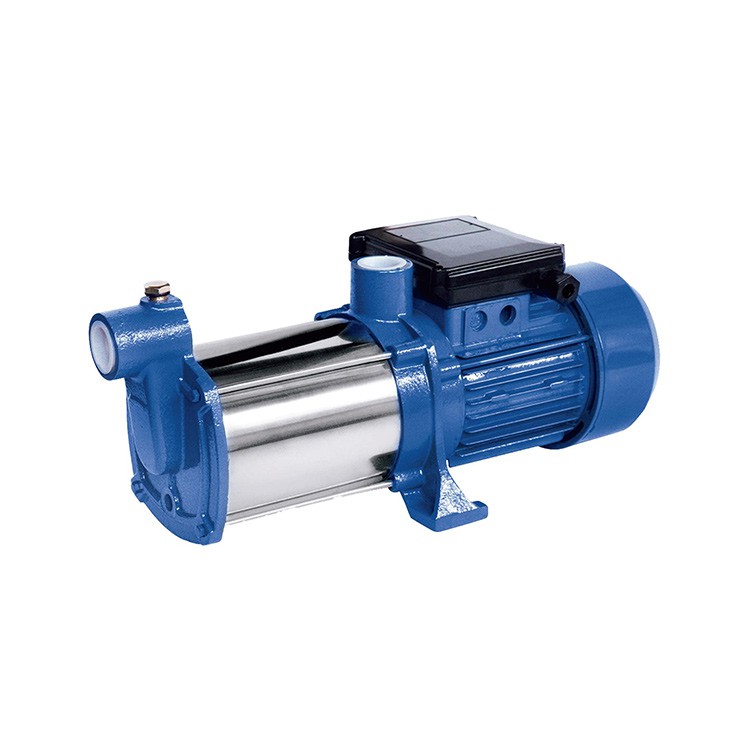
Contact us today to start a conversation about your pumping needs and how we can help you reduce power consumption and save money in the long run.
References
- Karassik, I. J., Messina, J. P., Cooper, P. T., & Heald, C. C. (2008). Pump Handbook. McGraw-Hill Professional.
- Stepanoff, A. J. (1957). Centrifugal and Axial Flow Pumps: Theory, Design, and Application. Wiley.