

What causes a garden pump to make loud noises?
As a seasoned supplier of garden pumps, I've encountered numerous inquiries from customers regarding the issue of loud noises emanating from their pumps. This blog post aims to delve into the various factors that can cause a garden pump to make loud noises, providing you with a comprehensive understanding of the problem and potential solutions.
1. Cavitation
Cavitation is one of the most common causes of loud noises in garden pumps. It occurs when the pressure of the liquid in the pump drops below its vapor pressure, causing the formation of vapor bubbles. These bubbles then collapse violently when they reach areas of higher pressure, creating a loud popping or rattling noise.
There are several reasons why cavitation might occur in a garden pump. One common cause is a clogged or restricted suction line. If the suction line is blocked, the pump has to work harder to draw in water, which can lead to a drop in pressure and the formation of vapor bubbles. Another possible cause is a pump that is operating at too high a speed. When a pump runs at an excessive speed, the liquid in the pump can experience a sudden drop in pressure, triggering cavitation.
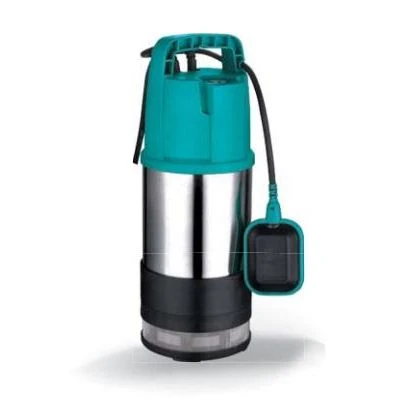
To prevent cavitation, it's important to ensure that the suction line is clear and unobstructed. Regularly check the intake filter for debris and clean or replace it as needed. Additionally, make sure that the pump is operating within its recommended speed range. If you suspect that cavitation is occurring, you may need to reduce the pump's speed or increase the pressure at the suction side.
2. Mechanical Issues
Mechanical problems can also contribute to loud noises in garden pumps. One such issue is a worn or damaged impeller. The impeller is a key component of the pump that is responsible for moving water through the system. Over time, the impeller can become worn or damaged due to normal wear and tear, or as a result of debris entering the pump. A damaged impeller can cause the pump to vibrate excessively and produce a loud, grinding noise.
Another mechanical issue that can cause noise is a misaligned motor. If the motor is not properly aligned with the pump, it can cause the pump to vibrate and produce a rattling or humming sound. This can be caused by loose mounting bolts or a problem with the motor's bearings.
To address mechanical issues, it's important to regularly inspect the pump for signs of wear and damage. If you notice any issues with the impeller or motor, it's best to have them repaired or replaced by a qualified technician. Additionally, make sure that the pump is properly installed and that all mounting bolts are tightened to the correct torque.

3. Air in the System
Air in the pump system can also cause loud noises. When air enters the pump, it can create a hissing or sputtering sound as it is forced through the system. This can be caused by a leak in the suction line, a loose connection, or a problem with the priming of the pump.
To remove air from the system, start by checking for any leaks in the suction line. Look for any visible cracks or holes and repair them as needed. Next, make sure that all connections are tight and secure. If the pump is not properly primed, it may also be necessary to re-prime the pump. This typically involves filling the pump with water to remove any air pockets.

4. Water Hammer
Water hammer is a phenomenon that occurs when the flow of water in a pipe is suddenly stopped or changed direction. This can create a shock wave that travels through the pipe, causing a loud banging or thumping noise. Water hammer can be caused by a variety of factors, including a sudden shut-off of the pump, a closed valve, or a change in the water pressure.
To prevent water hammer, it's important to install a water hammer arrestor in the plumbing system. A water hammer arrestor is a device that absorbs the shock wave created by the sudden change in water flow, reducing the noise and preventing damage to the pipes and pump. Additionally, make sure that the pump is not shut off suddenly, and that valves are opened and closed slowly to avoid creating a sudden change in water flow.
5. External Factors
External factors can also contribute to loud noises in garden pumps. For example, if the pump is installed on a hard surface or in an enclosed space, the vibrations from the pump can be amplified, creating a louder noise. Additionally, if the pump is located near a wall or other structure, the sound waves can bounce off the surface, making the noise seem louder.
To reduce the impact of external factors, consider installing the pump on a rubber or foam pad to absorb the vibrations. This can help to reduce the noise level significantly. Additionally, if possible, try to install the pump in an open area away from walls and other structures to minimize the reflection of sound waves.
Conclusion
In conclusion, there are several factors that can cause a garden pump to make loud noises, including cavitation, mechanical issues, air in the system, water hammer, and external factors. By understanding these potential causes, you can take steps to prevent and address the problem, ensuring that your garden pump operates quietly and efficiently.
As a supplier of high-quality garden pumps, we offer a wide range of products to meet your specific needs. Our Electric Garden Water Pump and Garden Peripheral Pumps are designed to provide reliable performance and long-lasting durability. If you're experiencing issues with your garden pump or are in the market for a new one, we invite you to contact us to discuss your requirements and explore our product range.
References
- "Pump Noise: Causes and Solutions." Pump Industry Analyst, 2023.
- "Understanding Cavitation in Pumps." Fluid Handling Today, 2022.
- "Preventing Water Hammer in Plumbing Systems." Plumbing & Mechanical, 2021.