

Hey there! As a supplier of centrifugal pumps, I've seen my fair share of issues with these nifty machines. One of the most common problems that users run into is a centrifugal pump losing its prime. It can be a real headache, but don't worry! In this blog, I'm gonna break down the main reasons why this happens and give you some insights on how to prevent it.
First off, let's talk about what "losing prime" actually means. When a centrifugal pump is primed, it's filled with liquid so that it can create the necessary suction to move fluid through the system. If the pump loses its prime, it can't create that suction, and it won't be able to pump effectively. So, what causes this to happen?
Air Leaks
One of the most common culprits is air leaks. Air can enter the pump system through various points, such as loose connections, cracked pipes, or faulty gaskets. When air gets into the pump, it disrupts the flow of liquid and can cause the pump to lose its prime.

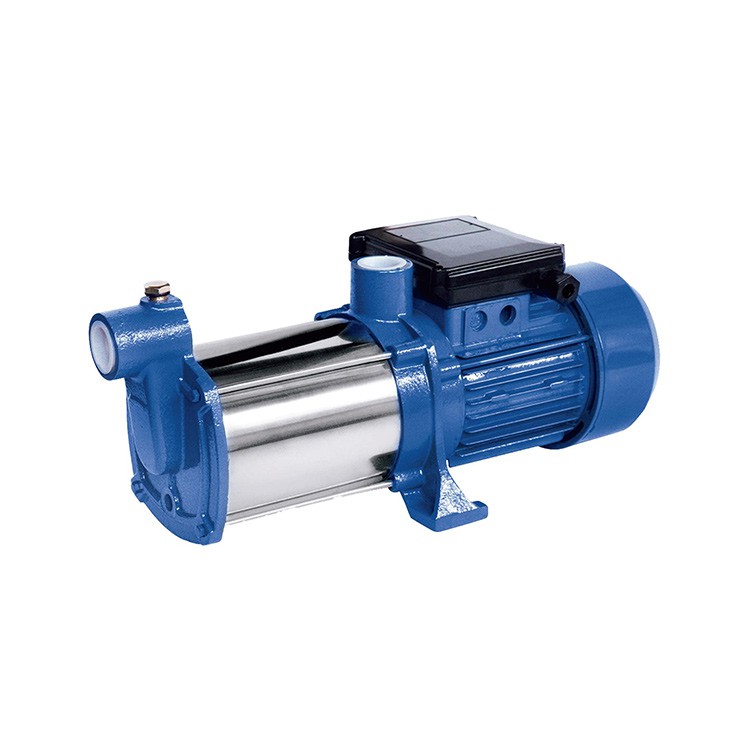
For example, if you have a pipe connection that's not tightened properly, air can seep in. Over time, this can lead to a decrease in the pump's performance and eventually cause it to lose prime. To prevent air leaks, it's important to regularly inspect your pump system for any signs of damage or loose connections. Make sure all pipes are tightly secured, and replace any worn-out gaskets.
Cavitation
Cavitation is another issue that can cause a centrifugal pump to lose prime. Cavitation occurs when the pressure in the pump drops below the vapor pressure of the liquid being pumped. This causes the liquid to form vapor bubbles, which then collapse when they reach higher-pressure areas in the pump. The collapse of these bubbles can cause damage to the pump impeller and other components, and it can also lead to a loss of prime.
There are several factors that can contribute to cavitation, such as a clogged suction line, a high pumping speed, or a low liquid level in the suction tank. To prevent cavitation, make sure your suction line is clear of any debris, and adjust the pumping speed as needed. You may also want to consider installing a suction strainer to prevent large particles from entering the pump.
Insufficient Liquid Supply
If the pump doesn't have enough liquid to work with, it can lose its prime. This can happen if the suction tank runs dry or if the flow rate of the liquid into the pump is too low. For instance, if you're using a pump to transfer water from a well, and the well runs dry, the pump will lose its prime.
To avoid this issue, make sure your suction tank has an adequate supply of liquid at all times. You can also install a level sensor to monitor the liquid level in the tank and prevent it from running dry. Additionally, check the flow rate of the liquid into the pump to ensure it's sufficient for the pump's operation.
Seal Failure
The seals in a centrifugal pump are designed to prevent liquid from leaking out and air from getting in. If the seals fail, it can lead to a loss of prime. Seal failure can be caused by a variety of factors, such as wear and tear, chemical corrosion, or improper installation.
Regularly inspect your pump seals for any signs of damage or leakage. If you notice any issues, replace the seals as soon as possible. It's also important to use the right type of seals for your pump and the liquid being pumped.
Viscous Fluids
Pumping viscous fluids can be a challenge for centrifugal pumps. Viscous fluids have a higher resistance to flow, which can make it more difficult for the pump to create the necessary suction. If the fluid is too viscous, it can cause the pump to lose prime.
When pumping viscous fluids, it's important to choose a pump that's designed for the specific viscosity of the fluid. You may also need to adjust the pump's speed or use a heating system to reduce the viscosity of the fluid.
Now that you know some of the main reasons why a centrifugal pump can lose its prime, let's talk about the types of centrifugal pumps we offer. We have a wide range of pumps to suit different applications, including Standard Centrifugal Pumps, Centrifugal Pump for Hot Water, and Multistage Centrifugal Pumps.
Our standard centrifugal pumps are great for general-purpose applications, such as water transfer and irrigation. They're reliable, efficient, and easy to maintain. If you need to pump hot water, our centrifugal pump for hot water is specifically designed to handle high temperatures. And for applications that require a higher head or pressure, our multistage centrifugal pumps are the way to go.
If you're experiencing issues with your centrifugal pump losing prime or if you're in the market for a new pump, don't hesitate to reach out. We have a team of experts who can help you choose the right pump for your needs and provide you with all the support you need. Whether you're a small business or a large industrial operation, we're here to help you keep your pumps running smoothly.
In conclusion, losing prime in a centrifugal pump can be a frustrating problem, but by understanding the causes and taking the necessary precautions, you can prevent it from happening. And if you need a new pump or have any questions about our products, just give us a shout. We're always happy to assist you.
References
- "Centrifugal Pumps: Operation and Maintenance" by John Doe
- "Pump Handbook" by Jane Smith