

As a supplier of garden pumps, I understand the importance of safety when using these devices. Garden pumps are essential tools for maintaining a beautiful and healthy garden, but they can also pose significant risks if not used correctly. In this blog post, I will share some crucial safety precautions that every garden pump user should follow.
1. Read the Manufacturer's Instructions
Before using any garden pump, it is imperative to carefully read the manufacturer's instructions. These instructions provide detailed information about the pump's operation, maintenance, and safety features. Each pump model may have specific requirements and limitations, so it's essential to understand them thoroughly. For example, some pumps may require a specific type of power source or have a maximum operating pressure. By following the instructions, you can ensure that you are using the pump safely and correctly.
2. Inspect the Pump Regularly
Regular inspections are key to preventing accidents and ensuring the long - term performance of your garden pump. Before each use, visually inspect the pump for any signs of damage, such as cracks in the housing, frayed wires, or loose connections. Check the hoses and fittings for leaks or wear. If you notice any issues, do not use the pump until it has been repaired or replaced. A damaged pump can not only malfunction but also pose a serious safety hazard, such as electrical shock or water leakage.
3. Use the Right Power Source
Using the correct power source is crucial for the safe operation of your garden pump. There are different types of garden pumps, including electric and gasoline - powered ones.
Electric Garden Water Pump
If you are using an Electric Garden Water Pump, make sure it is plugged into a grounded outlet. Use a heavy - duty outdoor extension cord that is rated for the pump's amperage. Avoid using damaged or frayed cords, as they can cause electrical shock. Never operate an electric pump in wet conditions unless it is specifically designed for such use.
Gasoline - Powered Pumps
For gasoline - powered pumps, use only fresh, clean gasoline. Store the fuel in a proper container away from heat sources and open flames. Make sure the pump is well - ventilated when in use, as gasoline engines produce carbon monoxide, a deadly gas. Never refuel a hot engine, and always turn off the pump before adding fuel.
4. Install the Pump Properly
Proper installation is essential for the safe and efficient operation of your garden pump. Follow the manufacturer's guidelines for installation, including the correct placement of the pump. The pump should be installed on a stable, level surface to prevent it from tipping over. Ensure that all hoses and fittings are tightly connected to prevent leaks.
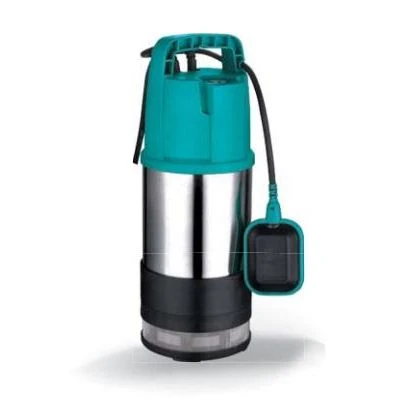
If you are installing a Garden Submersible Pump, make sure it is fully submerged in water before turning it on. Running a submersible pump dry can cause damage to the pump and may also create a fire hazard.
5. Protect Yourself
When using a garden pump, it is important to protect yourself from potential hazards. Wear appropriate personal protective equipment (PPE), such as safety glasses to protect your eyes from water splashes and debris, and gloves to protect your hands from sharp edges or chemicals. If you are working with a noisy pump, consider wearing ear protection to prevent hearing damage.
6. Avoid Overloading the Pump
Do not overload the garden pump by exceeding its maximum capacity. Each pump has a specific flow rate and pressure rating, and exceeding these limits can cause the pump to overheat or malfunction. If you need to water a large area, consider using multiple pumps or a larger - capacity pump instead of trying to push a small pump beyond its capabilities.
7. Keep Children and Pets Away
Garden pumps can be dangerous for children and pets. Keep them at a safe distance from the pump when it is in operation. The moving parts of the pump can cause serious injuries, and the electrical components can pose a risk of electrical shock. Make sure to store the pump in a secure location when not in use to prevent unauthorized access.
8. Maintain the Pump
Regular maintenance is essential for the safe and efficient operation of your garden pump. Follow the manufacturer's recommended maintenance schedule, which may include tasks such as changing the oil (for gasoline - powered pumps), cleaning the filter, and lubricating the moving parts. A well - maintained pump is less likely to malfunction and will have a longer lifespan.
9. Be Aware of Surroundings
When using a garden pump, be aware of your surroundings. Avoid operating the pump near power lines, as the water spray can conduct electricity and cause a dangerous situation. Also, be careful not to direct the water spray at people, animals, or delicate objects.

10. Know How to Shut Off the Pump
In case of an emergency, it is important to know how to quickly shut off the pump. Familiarize yourself with the location of the on/off switch or the emergency stop button. Make sure that these controls are easily accessible and in good working condition.
In conclusion, using a garden pump safely requires a combination of proper installation, regular maintenance, and adherence to safety guidelines. By following these precautions, you can enjoy the benefits of a well - watered garden without putting yourself or others at risk.
If you are in the market for a new garden pump or need advice on safety and maintenance, we are here to help. Our company offers a wide range of high - quality garden pumps, including Electric Garden Water Pump, Garden Centrifugal Pumps, and Garden Submersible Pump. Contact us for more information and to discuss your specific needs. We look forward to helping you find the perfect pump for your garden.
References
- Manufacturer's manuals of various garden pumps
- Safety guidelines from relevant industry standards