

When it comes to creating a vibrant and flourishing garden, having an efficient garden pump is essential. As a trusted garden pumps supplier, I've witnessed firsthand how the right pump can transform a lackluster garden into a lush oasis. In this blog, we'll explore the various materials used in making garden pumps, their characteristics, and how they impact the performance and durability of these crucial gardening tools.
Cast Iron
One of the most traditional materials for garden pumps is cast iron. Cast iron is known for its exceptional strength and durability. It can withstand high pressures and resist corrosion, making it ideal for use in outdoor environments where pumps are exposed to the elements.
Cast Iron Garden Pump is a classic choice for many gardeners. The thick walls of cast iron pumps provide stability and reduce the risk of damage from impact or rough handling. Additionally, cast iron has excellent heat dissipation properties, which helps prevent the pump from overheating during extended use.
However, cast iron is relatively heavy, which can make installation and transportation more challenging. It also requires proper maintenance to prevent rusting, especially in areas with high humidity or saltwater exposure. Regular painting or coating can help protect the cast iron surface and extend the pump's lifespan.
Stainless Steel
Stainless steel is another popular material for garden pumps, especially in applications where corrosion resistance is a top priority. Stainless steel contains chromium, which forms a protective oxide layer on the surface, preventing rust and corrosion.

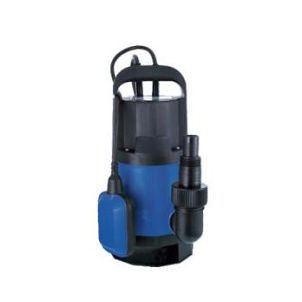
Stainless steel pumps are lightweight yet strong, making them easy to install and maneuver. They are also resistant to chemical damage, making them suitable for use with fertilizers, pesticides, and other garden chemicals.
In addition to its corrosion resistance, stainless steel has a sleek and modern appearance, which can enhance the aesthetic appeal of your garden. Our Electric Garden Water Pump often features stainless steel components for their durability and performance.
Plastic
Plastic has become an increasingly popular material for garden pumps due to its affordability, lightweight, and versatility. Plastic pumps are typically made from high-quality polymers such as polypropylene or polyethylene, which offer excellent chemical resistance and durability.
Plastic pumps are easy to install and maintain, and they are often more energy-efficient than their metal counterparts. They are also less likely to cause damage to delicate plants or garden features due to their lightweight design.
However, plastic pumps may not be as durable as cast iron or stainless steel pumps, especially in harsh environments or under heavy use. They may also be more prone to cracking or breaking if subjected to extreme temperatures or physical impact.
Aluminum
Aluminum is a lightweight and corrosion-resistant material that is commonly used in the construction of garden pumps. Aluminum pumps are easy to handle and install, and they offer good heat dissipation properties.
Aluminum is also a cost-effective alternative to stainless steel, making it a popular choice for budget-conscious gardeners. However, aluminum is not as strong as cast iron or stainless steel, and it may require additional reinforcement or support in high-pressure applications.
Composite Materials
In recent years, composite materials have emerged as a new option for garden pump construction. Composite materials are made by combining two or more different materials to create a product with enhanced properties.
For example, some garden pumps are made from a combination of plastic and fiberglass, which offers the lightweight and corrosion resistance of plastic with the strength and durability of fiberglass. Composite materials can also be designed to have specific properties, such as high impact resistance or low thermal conductivity.
Choosing the Right Material for Your Garden Pump
When choosing a garden pump, it's important to consider the specific needs and requirements of your garden. Here are some factors to keep in mind:
- Environment: If your garden is located in an area with high humidity, saltwater exposure, or extreme temperatures, you'll need a pump that is resistant to corrosion and can withstand harsh conditions. Cast iron, stainless steel, and composite materials are good choices for these environments.
- Water Source: The type of water source you're using can also impact your choice of pump material. If you're using well water or water from a pond or lake, you'll need a pump that can handle sediment and debris. Cast iron and stainless steel pumps are typically more durable and can handle these types of water sources better than plastic pumps.
- Pressure Requirements: If you need a pump that can generate high pressure, such as for spraying water over a large area or for watering plants at a high elevation, you'll need a pump made from a strong and durable material. Cast iron and stainless steel pumps are better suited for high-pressure applications.
- Budget: Your budget will also play a role in your choice of pump material. Cast iron and stainless steel pumps are typically more expensive than plastic or aluminum pumps, but they offer greater durability and performance.
Conclusion
In conclusion, the materials used in making garden pumps play a crucial role in their performance, durability, and overall suitability for your garden. Cast iron, stainless steel, plastic, aluminum, and composite materials each have their own unique characteristics and advantages, and the right choice will depend on your specific needs and requirements.
As a garden pumps supplier, we offer a wide range of pumps made from different materials to meet the diverse needs of our customers. Whether you're looking for a Cast Iron Garden Pump for its durability, an Electric Garden Water Pump for its efficiency, or a Garden Hose Water Transfer Pump for its versatility, we have the perfect solution for you.
If you're interested in learning more about our garden pumps or would like to discuss your specific requirements, please don't hesitate to contact us. Our team of experts is here to help you find the right pump for your garden and ensure that you get the best possible performance and value for your investment.
References
- Smith, J. (2020). Garden Pump Handbook. Green Thumb Publishing.
- Johnson, A. (2019). Materials for Outdoor Equipment. Industrial Materials Press.