

Hey there! As a supplier of centrifugal pumps, I've been getting a lot of questions lately about operating these pumps in parallel. So, I thought I'd break down the advantages and disadvantages for you all.
Advantages of Operating Centrifugal Pumps in Parallel
Increased Flow Rate
One of the most significant benefits of running centrifugal pumps in parallel is the ability to boost the flow rate. When you connect multiple pumps side by side, their combined output can deliver a much larger volume of fluid compared to a single pump. This is super useful in applications where you need to move a large amount of liquid quickly, like in water treatment plants or large industrial processes.
For instance, if you have a single Centrifugal Pump Mini that can handle a certain flow rate, adding another one in parallel can almost double that capacity. It's like having two workers instead of one on a job - they can get the work done faster and more efficiently.
Flexibility and Redundancy
Parallel pump systems offer great flexibility. You can adjust the number of pumps in operation based on the actual demand. During periods of low demand, you can run just one or a few pumps, saving energy and reducing wear and tear. When the demand spikes, you can easily start up additional pumps to meet the increased flow requirements.
Moreover, parallel pumps provide redundancy. If one pump fails, the others can still keep the system running, albeit at a reduced capacity. This is crucial in critical applications where continuous operation is essential, such as in hospitals or power plants. You don't have to worry about a single point of failure bringing the whole system down.
Cost - Effectiveness in Some Cases
In some situations, using multiple smaller pumps in parallel can be more cost - effective than installing a single large pump. Smaller pumps are generally less expensive to purchase, install, and maintain. They also offer better energy efficiency at partial loads. For example, if you have a system that has variable flow requirements, a single large pump might consume a lot of energy even when the demand is low. On the other hand, running a few smaller pumps in parallel allows you to match the output more closely to the actual demand, saving on energy costs in the long run.
Disadvantages of Operating Centrifugal Pumps in Parallel
Complexity in System Design and Operation
Operating pumps in parallel adds a level of complexity to the system design and operation. You need to carefully select pumps with compatible performance curves to ensure they work together effectively. If the pumps have different characteristics, it can lead to issues like uneven flow distribution, cavitation, or excessive vibration.
For example, if one pump has a much higher head capacity than the others, it may end up taking on more of the load, causing premature wear and tear. Designing the piping system also becomes more challenging as you need to ensure proper flow distribution and pressure balance among the pumps.
Higher Initial and Maintenance Costs
While parallel pump systems can be cost - effective in some cases, they often have higher initial costs. You need to purchase multiple pumps, along with additional valves, piping, and control systems. The installation process is also more complex and time - consuming, which adds to the overall cost.
Maintenance costs can also be higher. You have more components to monitor and maintain, and the risk of component failure is increased since there are more parts in the system. Regular inspections, repairs, and replacements of parts for multiple pumps can add up over time.
Potential for Pump Interference
When pumps are operating in parallel, there is a risk of pump interference. This can occur when the pumps interact with each other in a way that affects their performance. For example, the discharge pressure of one pump can influence the suction conditions of another pump. If not properly managed, this can lead to reduced efficiency, increased noise, and even damage to the pumps.

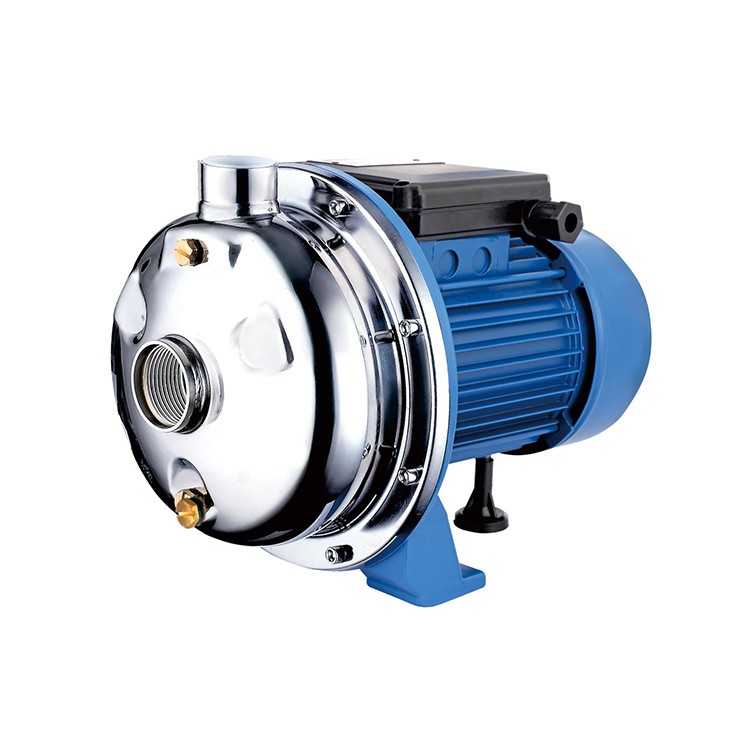
Applications and Considerations
Despite the disadvantages, parallel pump systems are widely used in many industries. In water supply systems, they are used to meet the varying demands of a large population. In industrial processes, they are used for cooling water circulation, chemical transfer, and other fluid - handling applications.
When considering a parallel pump system, it's important to conduct a thorough analysis of your specific requirements. Consider factors such as the expected flow rate, head requirements, demand variability, and the nature of the fluid being pumped. You also need to work with a reliable supplier who can provide expert advice on pump selection, system design, and installation.
As a centrifugal pump supplier, I've seen firsthand the benefits and challenges of parallel pump systems. We offer a wide range of centrifugal pumps, including Centrifugal Pump for Hot Water and High Pressure Centrifugal Water Pump, that can be used in parallel configurations. Our team of experts can help you design a system that meets your specific needs and ensures optimal performance.
If you're thinking about implementing a parallel pump system or have any questions about our centrifugal pumps, don't hesitate to reach out. We're here to assist you in making the right choice for your application. Whether you're a small business or a large industrial facility, we have the solutions to meet your fluid - handling needs.
References
- Karassik, I. J., Messina, J. P., Cooper, P. T., & Heald, C. C. (2008). Pump Handbook. McGraw - Hill.
- Stepanoff, A. J. (1957). Centrifugal and Axial Flow Pumps: Theory, Design, and Application. Wiley.