

Hey there! As a supplier of Centrifugal Pump for Home, I've seen my fair share of pump problems. In this blog, I'm gonna walk you through how to troubleshoot a centrifugal pump for your home. Whether it's a Multistage Centrifugal Pumps, Centrifugal Pump for Hot Water, or High Volume Centrifugal Pump, these tips should come in handy.
1. No Water Flow
One of the most common issues you might face is when your pump isn't delivering any water. First off, check the power supply. Make sure the pump is properly plugged in and that the circuit breaker hasn't tripped. Sometimes, it's just a simple power issue that can be easily fixed.
Next, take a look at the suction line. There could be a blockage in the pipe leading to the pump. Check for any debris, like leaves or small stones, that might be clogging the line. If you find any blockages, remove them carefully. You can use a pipe cleaner or a small brush to clear out the debris.
Another thing to check is the foot valve. The foot valve is located at the end of the suction line and prevents water from flowing back out of the pump when it's not running. If the foot valve is stuck or damaged, it can prevent water from entering the pump. You might need to remove the foot valve and inspect it for any signs of damage. If it's damaged, you'll need to replace it.
2. Low Water Pressure
If you're getting water, but the pressure is low, there are a few things you can do. First, check the impeller. The impeller is the part of the pump that spins and creates the pressure to move the water. Over time, the impeller can become worn or damaged, which can reduce the pump's efficiency. You'll need to remove the pump housing to access the impeller. Inspect it for any signs of wear or damage, like cracks or chips. If it's damaged, you'll need to replace it.
The pump speed could also be an issue. Check the motor speed to make sure it's running at the correct RPM (revolutions per minute). You can usually find the recommended RPM in the pump's manual. If the motor speed is too low, it can result in low water pressure. You might need to adjust the motor speed or check the motor for any problems.
The pipe size can also affect water pressure. If the pipes leading to and from the pump are too small, it can restrict the flow of water and reduce the pressure. Make sure the pipes are the correct size for your pump. You can refer to the pump's manual for the recommended pipe size.
3. Excessive Noise
A noisy pump can be a real annoyance. One possible cause of excessive noise is cavitation. Cavitation occurs when the pressure in the suction line drops too low, causing the water to vaporize and form bubbles. When these bubbles collapse, they create a loud noise. To fix this, check the suction line for any blockages or restrictions. Make sure the water level in the source is high enough and that the suction line is not too long or too small.
The bearings in the pump can also cause noise if they're worn or damaged. You can usually tell if the bearings are bad if you hear a grinding or squealing noise. You'll need to remove the pump housing to access the bearings. Inspect them for any signs of wear or damage, like excessive play or rough surfaces. If the bearings are damaged, you'll need to replace them.
Another source of noise could be the motor. Check the motor for any loose parts or vibrations. Make sure the motor is properly mounted and that all the bolts are tightened. If the motor is vibrating excessively, it could be a sign of a problem with the motor itself, and you might need to have it serviced.
4. Overheating
If your pump is overheating, it's a serious issue that needs to be addressed right away. Overheating can damage the pump's components and reduce its lifespan. One of the main causes of overheating is a lack of proper ventilation. Make sure the pump is installed in a well-ventilated area and that there is enough space around it for air to circulate.
The motor could also be overheating due to a high load. Check the pump's flow rate and make sure it's not being overworked. If the pump is constantly running at a high flow rate, it can cause the motor to overheat. You might need to adjust the flow rate or consider upgrading to a larger pump if your water demand has increased.
The cooling system in the pump, if it has one, could also be malfunctioning. Check the cooling fins on the motor for any blockages or debris. Clean them if necessary to ensure proper cooling.
5. Leaks
Leaks are another common problem with centrifugal pumps. Check the seals and gaskets in the pump for any signs of leakage. Over time, the seals and gaskets can wear out and start to leak. You'll need to replace them if they're damaged.

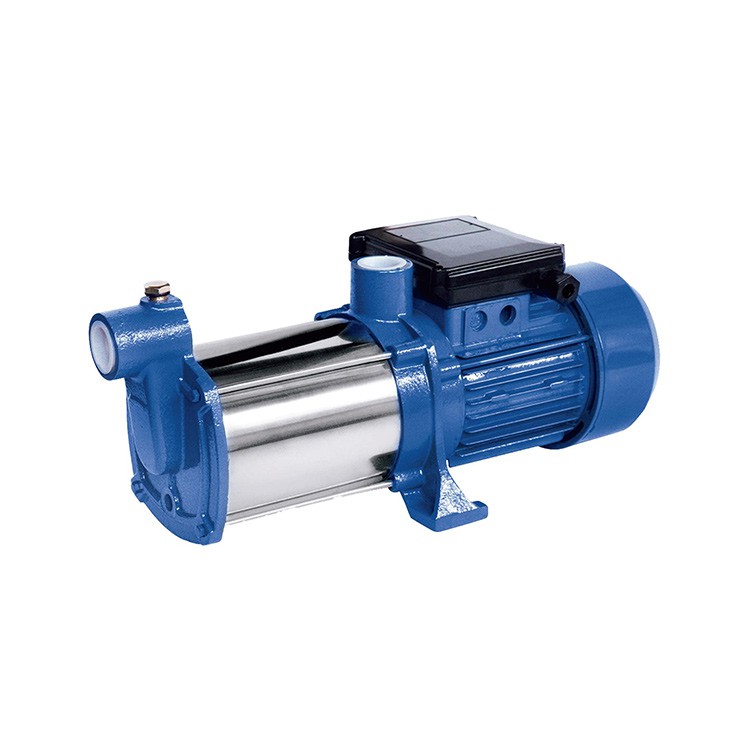
Inspect the pump housing for any cracks or holes. If you find any, you'll need to repair or replace the pump housing. Sometimes, a small crack can be repaired using a sealant, but if the damage is extensive, you'll need to replace the housing.
Check the connections between the pipes and the pump. Make sure they're tight and that there are no loose fittings. You can use a wrench to tighten any loose connections.
6. Regular Maintenance
To prevent these problems from occurring in the first place, it's important to perform regular maintenance on your pump. This includes checking the oil level in the motor (if it's an oil-lubricated motor), cleaning the pump and its components, and inspecting the impeller and bearings for wear.
You should also follow the manufacturer's recommendations for maintenance. This might include changing the oil, replacing the filters, and lubricating the moving parts at regular intervals. By performing regular maintenance, you can keep your pump running smoothly and avoid costly repairs.
Conclusion
Troubleshooting a centrifugal pump for your home doesn't have to be a daunting task. By following these tips, you can identify and fix most common problems. Remember, if you're ever unsure about something or if you're unable to fix the problem on your own, it's always a good idea to consult a professional.
As a supplier of Centrifugal Pump for Home, I'm here to help you with all your pump needs. Whether you're looking for a new pump or need replacement parts, I've got you covered. If you're interested in purchasing a pump or have any questions about troubleshooting or maintenance, feel free to reach out and start a conversation with me. I'm happy to assist you in finding the right solution for your home.
References
- Pump Installation and Maintenance Manuals
- Industry Standards for Centrifugal Pumps