

Transporting a solar surface water pump requires careful planning and execution to ensure that the pump arrives at its destination in perfect working condition. As a supplier of solar surface water pumps, I understand the importance of proper transportation, and in this blog post, I'll share some essential tips and best practices to help you transport these valuable pieces of equipment safely.
Understanding Solar Surface Water Pumps
Before delving into the transportation process, it's crucial to understand what solar surface water pumps are and their types. Solar surface water pumps are designed to be installed above the water source, unlike submersible pumps that are placed underwater. They are powered by solar energy, making them an environmentally friendly and cost - effective solution for various water - pumping needs.
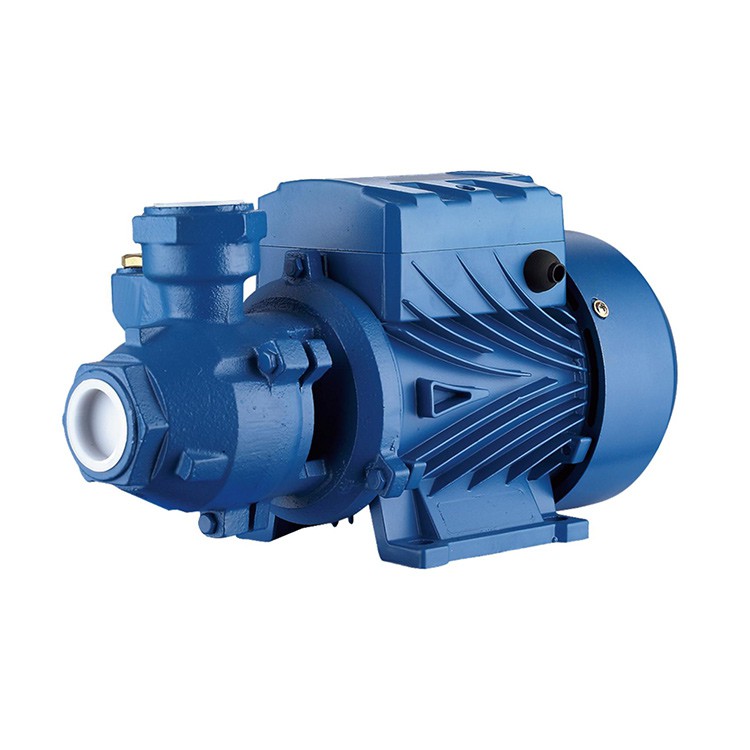
There are several types of solar surface water pumps, including Solar Centrifugal Pumps, Solar Peripheral Pumps, and Solar Jet Pumps. Each type has its own unique features and applications, but they all share the need for proper handling during transportation.
Pre - Transportation Preparation
Inspection
Before packing the pump for transportation, conduct a thorough inspection. Check for any visible damage, loose parts, or signs of wear. Ensure that all components, such as the motor, impeller, and control panel, are in good working order. If you find any issues, address them before shipping to avoid further problems at the destination.
Cleaning
Clean the pump to remove any dirt, debris, or water that may have accumulated. A clean pump is less likely to develop corrosion during transit. Pay special attention to the inlet and outlet ports, as any blockages can affect the pump's performance.
Disassembly (if necessary)
In some cases, it may be advisable to disassemble the pump into smaller, more manageable parts. This can reduce the risk of damage during transportation and make it easier to pack. However, make sure to label all parts clearly and keep a detailed record of the disassembly process so that the pump can be reassembled correctly at the destination.
Packing
Choose high - quality packing materials that can provide adequate protection. Use sturdy cardboard boxes, foam inserts, and bubble wrap to cushion the pump and its components. Place the pump in the center of the box and fill any empty spaces with packing peanuts or additional foam to prevent movement during transit. If the pump has a control panel or electronic components, wrap them separately in anti - static bags to protect them from electrostatic discharge.
Choosing the Right Transportation Method
Domestic Transportation
- Road Transport: For local or regional deliveries, road transport is often the most convenient option. Use a reliable freight carrier with experience in transporting delicate equipment. Make sure the vehicle is equipped with proper shock - absorbing features to minimize vibrations during the journey.
- Rail Transport: If the destination is farther away but still within the country, rail transport can be a cost - effective alternative. However, ensure that the pump is packed securely as rail cars can experience significant jolts and vibrations.
International Transportation
- Air Freight: For urgent or long - distance international shipments, air freight is the fastest option. It also offers better protection against damage due to the shorter transit time. However, it can be more expensive.
- Sea Freight: Sea freight is a more economical choice for large - volume or less - urgent shipments. When using sea freight, make sure the pump is packed in a waterproof container to protect it from moisture and saltwater.
Documentation
Shipping Labels
Attach clear and accurate shipping labels to the package. Include the sender's and recipient's addresses, contact information, and a detailed description of the contents. Mark the package as "Fragile" and indicate the correct orientation (if applicable) to ensure proper handling.
Customs Documentation (for international shipments)
If you are shipping the pump internationally, you need to prepare the necessary customs documentation. This includes a commercial invoice, packing list, and any relevant certificates or permits. Make sure all information is accurate and up - to - date to avoid delays at customs.
Tracking and Monitoring
Once the pump is in transit, use the tracking services provided by the carrier to monitor its progress. This allows you to stay informed about the estimated delivery time and address any potential issues promptly. If possible, set up alerts for key milestones, such as when the package leaves the origin, arrives at a transit point, or is out for delivery.

Unloading and Installation at the Destination
Unloading
When the pump arrives at its destination, handle the unloading process with care. Use appropriate lifting equipment and follow the correct procedures to avoid dropping or damaging the pump. Make sure the unloading area is clean, dry, and level.
Installation
After unloading, reassemble the pump (if it was disassembled) following the instructions provided. Conduct a final inspection and test the pump to ensure it is working properly. If you encounter any problems during installation, contact the supplier or a professional technician for assistance.
Conclusion
Transporting a solar surface water pump requires a combination of careful preparation, proper packing, and the right transportation method. By following these guidelines, you can minimize the risk of damage and ensure that the pump arrives at its destination in optimal condition.
If you are interested in purchasing solar surface water pumps or have any questions about transportation, please feel free to contact us. We are here to provide you with the best products and services to meet your water - pumping needs.
References
- "Solar Water Pump Handbook" - A comprehensive guide on solar water pump technology and applications.
- Industry standards and guidelines for the transportation of electrical equipment.