

Hey there! I'm a supplier of centrifugal pumps, and I get asked all the time about how to reduce the noise of these pumps. It's a crucial issue because excessive noise can be a real nuisance, whether you're using a pump at home or in an industrial setting. In this blog, I'm gonna share some tips and tricks on how to make your centrifugal pump run quieter.
First off, let's understand why centrifugal pumps make noise in the first place. There are a few common reasons. One is cavitation. Cavitation happens when the pressure in the pump drops so low that the liquid starts to vaporize, forming bubbles. When these bubbles collapse, they create a loud noise and can also damage the pump over time. Another reason could be mechanical vibrations. Components like the impeller, shaft, and bearings can vibrate as the pump operates, and if these vibrations aren't properly controlled, they'll cause noise. Additionally, poor alignment of the pump and motor can lead to increased noise levels.
So, how can we tackle these issues and reduce the noise?
1. Prevent Cavitation
Cavitation is a major culprit behind pump noise. To avoid it, you need to make sure the pump is operating within its proper suction conditions. Check the net positive suction head available (NPSHa) at the pump inlet. This value should be higher than the net positive suction head required (NPSHr) by the pump. If the NPSHa is too low, the pump is more likely to experience cavitation. You can increase the NPSHa by reducing the suction pipe length, using larger diameter suction pipes, or raising the liquid level in the suction tank.
For example, if you're using our Centrifugal Pump Mini, make sure to follow the installation guidelines carefully to maintain the right suction conditions. This will not only reduce noise but also extend the life of the pump.
2. Address Mechanical Vibrations
Mechanical vibrations can be significantly reduced by proper maintenance and the use of vibration isolation devices. Regularly check the impeller for any signs of wear or damage. A damaged impeller can cause uneven rotation and increased vibrations. If you notice any issues, replace the impeller as soon as possible.
Also, balance the rotating parts of the pump. Unbalanced parts can create vibrations that lead to noise. You can use balancing equipment to ensure the impeller and other rotating components are well - balanced.
Moreover, installing vibration isolators can work wonders. These are typically rubber or spring - based devices that absorb and dampen vibrations. They can be placed between the pump and its mounting surface. This simple step can greatly reduce the noise transmitted from the pump to the surrounding structure. Our High Volume Centrifugal Pump can benefit a lot from proper vibration isolation to keep it running quietly.
3. Ensure Proper Alignment
Proper alignment of the pump and motor is essential. Misalignment can cause excessive stress on the coupling and bearings, leading to increased vibrations and noise. You can use alignment tools like laser alignment systems to ensure the pump and motor are perfectly in line.
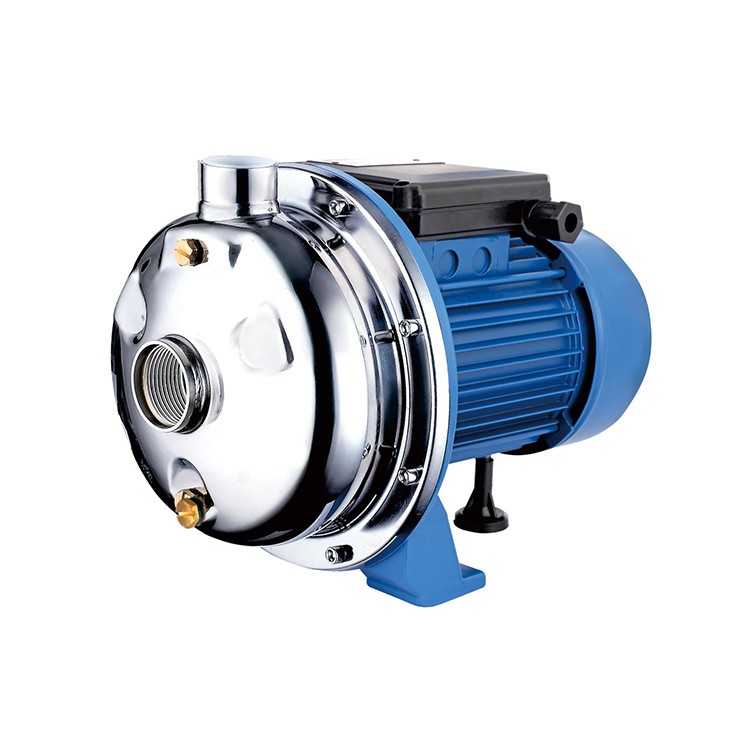
During installation, take your time to align the components accurately. If you're not confident in doing it yourself, consider hiring a professional to handle the alignment. This will not only reduce noise but also prevent premature wear and tear on the pump and motor. Our Stainless Steel Centrifugal Water Pumps require precise alignment to operate at their best and with minimal noise.
4. Use Sound Enclosures
Sound enclosures are a great way to reduce the noise emitted by centrifugal pumps. These enclosures are made of sound - absorbing materials and can be custom - designed to fit your pump. They work by containing the noise within the enclosure and preventing it from spreading to the surrounding area.
When choosing a sound enclosure, make sure it allows for proper ventilation to prevent overheating of the pump. You can also add insulation to the inside of the enclosure to further enhance its sound - reducing capabilities. If you're using a Centrifugal Pump Wastewater in a noisy environment, a well - designed sound enclosure can make a big difference.
5. Optimize Pump Speed
The speed of the pump can also affect the noise level. In some cases, reducing the pump speed can lead to quieter operation. You can use a variable frequency drive (VFD) to control the pump speed. A VFD allows you to adjust the speed of the motor according to the actual requirements of the system.
By running the pump at a lower speed when full capacity isn't needed, you can not only reduce noise but also save energy. Our Centrifugal Pump for Home can be easily controlled with a VFD to provide quiet and efficient operation.
In conclusion, reducing the noise of a centrifugal pump involves addressing multiple aspects such as preventing cavitation, controlling mechanical vibrations, ensuring proper alignment, using sound enclosures, and optimizing pump speed. By following these tips, you can make your pump run much quieter and more efficiently.
If you're in the market for a new centrifugal pump or need help with reducing the noise of your existing pump, feel free to reach out. We're here to offer you the best solutions and high - quality products. Let's start a conversation about your specific needs and see how we can help you achieve a quieter and more reliable pumping system.
References

- "Centrifugal Pumps: Design and Application" by Igor J. Karassik
- "Pump Handbook" by Karassik, Messina, Cooper, and Heald