

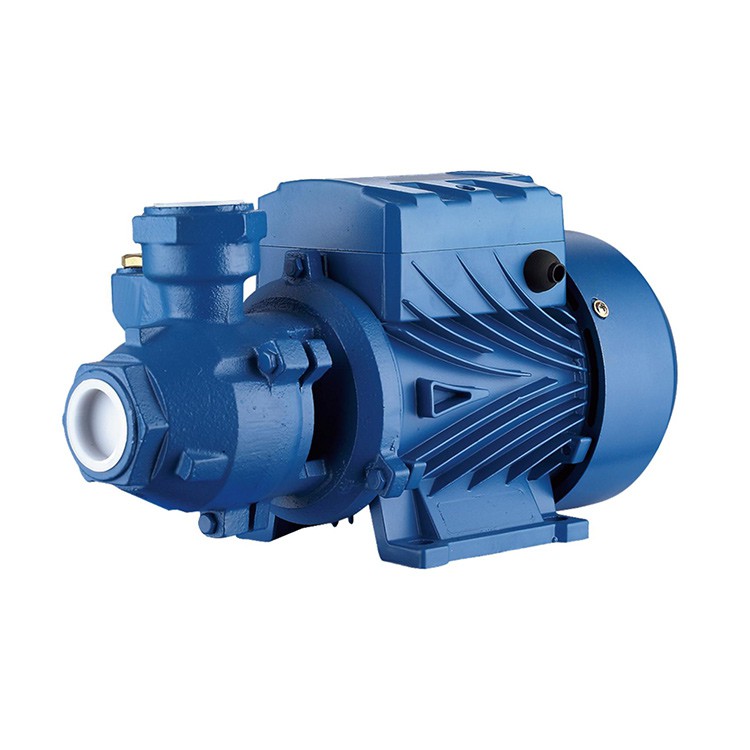
Lightning is a natural phenomenon that can pose a significant threat to various electrical and mechanical equipment, including solar peripheral pumps. As a supplier of Solar Peripheral Pumps, I understand the importance of protecting these pumps from lightning strikes to ensure their long - term performance and reliability. In this blog, I will share some effective ways to safeguard solar peripheral pumps from lightning.
Understanding the Risks of Lightning to Solar Peripheral Pumps
Lightning can cause damage to solar peripheral pumps in several ways. When a lightning strike occurs nearby, it can induce a high - voltage surge in the electrical system. This surge can travel through the power lines connected to the pump, including the solar panels' wiring, and damage sensitive electronic components such as the pump's control board, motor windings, and sensors. Additionally, the intense electromagnetic field generated by a lightning strike can interfere with the normal operation of the pump's electrical circuits, leading to malfunctions or even permanent damage.

Grounding Systems
One of the most fundamental and effective methods to protect solar peripheral pumps from lightning is to establish a proper grounding system. A well - designed grounding system provides a low - resistance path for the lightning current to flow safely into the ground, diverting it away from the pump and its associated electrical components.
- Ground Rod Installation: Installing grounding rods is a common practice. The grounding rod should be made of a conductive material such as copper or galvanized steel. It should be driven deep into the ground, typically at least 8 feet (about 2.4 meters) to ensure good electrical contact with the soil. Multiple grounding rods can be used and connected together to increase the grounding area and reduce the grounding resistance.
- Bonding: All metal components of the solar peripheral pump system, including the pump housing, solar panel frames, and electrical enclosures, should be bonded together and connected to the grounding system. Bonding ensures that all parts are at the same electrical potential, preventing the build - up of static electricity and reducing the risk of electrical arcing during a lightning strike.
Surge Protection Devices (SPDs)
Surge protection devices are essential for protecting solar peripheral pumps from voltage surges caused by lightning. These devices are designed to detect and divert excessive voltage to the ground before it can reach the pump's sensitive components.
- Type 1 SPDs: Type 1 SPDs are installed at the main electrical service entrance of the solar pump system. They are capable of handling high - energy surges directly from a lightning strike. These SPDs can quickly clamp the voltage to a safe level and divert the large - current surge to the ground.
- Type 2 SPDs: Type 2 SPDs are usually installed closer to the solar peripheral pump, such as at the distribution panel or near the pump's control unit. They provide additional protection against residual surges that may pass through the Type 1 SPDs. Type 2 SPDs are designed to protect against lower - energy surges and are more suitable for protecting the pump's internal electrical circuits.
Lightning Rods and Air Terminals
Installing lightning rods or air terminals on the solar pump installation site can help attract lightning strikes and direct the lightning current safely to the ground.
- Location and Height: Lightning rods should be installed at the highest points of the solar pump system, such as on top of the pump house or near the solar panel arrays. The height of the lightning rod should be sufficient to provide a protection zone for the pump and its associated equipment. The protection zone is typically defined by a cone - shaped area around the lightning rod, and any equipment within this zone is considered to be protected.
- Connection to Grounding System: The lightning rod should be connected to the grounding system using a low - resistance conductor. This ensures that the lightning current can flow smoothly from the rod to the ground without causing damage to the pump or other components.
Shielding and Enclosures
Proper shielding and enclosures can also help protect solar peripheral pumps from lightning - induced electromagnetic interference.
- Metal Enclosures: Using metal enclosures for the pump's control unit and electrical components can provide a degree of electromagnetic shielding. The metal enclosure acts as a Faraday cage, which can block the external electromagnetic field generated by a lightning strike and protect the internal components from interference.
- Cable Shielding: Shielded cables should be used for the electrical connections between the solar panels, pump, and control unit. The cable shielding helps to reduce the electromagnetic interference picked up by the cables during a lightning strike, ensuring the stable operation of the pump.
Regular Maintenance and Inspection
Even with all the protective measures in place, regular maintenance and inspection of the solar peripheral pump system are crucial to ensure its continued protection from lightning.
- Grounding System Inspection: Periodically check the grounding system for any signs of corrosion, damage, or loose connections. Corroded grounding rods or loose bonding connections can increase the grounding resistance, reducing the effectiveness of the grounding system.
- Surge Protection Device Testing: Test the surge protection devices regularly to ensure they are functioning properly. Most SPDs have an indicator that shows their status. If the indicator shows that the SPD has failed, it should be replaced immediately.
- Overall System Check: Inspect the entire solar peripheral pump system, including the lightning rods, enclosures, and cables, for any physical damage or wear. Any damaged components should be repaired or replaced promptly to maintain the system's protection against lightning.
Other Considerations
- Location Selection: When installing a solar peripheral pump, choose a location that is less prone to lightning strikes. Avoid installing the pump in open fields or on top of hills, as these areas are more likely to be struck by lightning. Instead, select a location that is sheltered by natural or man - made structures.
- Lightning Monitoring Systems: Consider installing a lightning monitoring system in the area where the solar peripheral pump is located. These systems can detect the presence of lightning in the vicinity and provide an early warning. This allows you to take preventive measures, such as shutting down the pump temporarily, to avoid potential damage.
In addition to Solar Peripheral Pumps, we also supply Solar Jet Pumps and Solar Centrifugal Pumps. All our products are designed with high - quality materials and advanced technology to ensure reliable performance.
If you are interested in our solar pump products or need more information on protecting them from lightning, we welcome you to contact us for procurement and further discussions. We are committed to providing you with the best solutions and high - quality products to meet your water - pumping needs.
References
- "Lightning Protection for Electrical Systems" - IEEE Standard 142
- "Solar Water Pumping Systems: Design and Installation Guide" - International Renewable Energy Agency (IRENA)
- "Electromagnetic Compatibility in Electrical and Electronic Systems" - Textbook on EMC principles and practices.