

Cavitation in a centrifugal pump can be a significant concern for homeowners, leading to reduced pump efficiency, increased maintenance costs, and even premature pump failure. As a trusted supplier of Centrifugal Pump for Home, I understand the importance of preventing cavitation to ensure the longevity and optimal performance of your pump. In this blog post, I will share some practical tips on how to prevent cavitation in a centrifugal pump for home use.
Understanding Cavitation
Before we delve into the prevention strategies, it's essential to understand what cavitation is and how it occurs in a centrifugal pump. Cavitation happens when the pressure of the fluid inside the pump drops below the vapor pressure of the fluid. This causes the formation of vapor bubbles, which then collapse when they move to a region of higher pressure. The collapse of these bubbles generates shock waves that can damage the pump impeller, casing, and other components.
The main symptoms of cavitation include a loud noise coming from the pump, vibration, reduced flow rate, and decreased pump efficiency. If left untreated, cavitation can lead to severe damage to the pump, resulting in costly repairs or replacement.
Factors Contributing to Cavitation
Several factors can contribute to cavitation in a centrifugal pump. Understanding these factors is crucial for implementing effective prevention measures.
- Low Inlet Pressure: If the pressure at the pump inlet is too low, the fluid may vaporize, leading to cavitation. This can happen if the suction pipe is too long, has a small diameter, or is clogged with debris.
- High Fluid Temperature: As the temperature of the fluid increases, its vapor pressure also increases. If the fluid temperature is too high, it becomes more likely to vaporize inside the pump, causing cavitation.
- High Pump Speed: Running the pump at a speed higher than its recommended operating speed can increase the pressure drop inside the pump, leading to cavitation.
- Improper Pump Selection: Choosing a pump that is not suitable for the specific application can also contribute to cavitation. For example, if the pump is too small for the required flow rate or head, it may operate at a high suction lift, increasing the risk of cavitation.
Prevention Strategies
Now that we understand the factors contributing to cavitation let's explore some practical strategies to prevent it in a centrifugal pump for home use.
1. Ensure Adequate Inlet Pressure
- Proper Suction Pipe Design: Use a suction pipe with a large enough diameter to minimize the pressure drop. Keep the suction pipe as short as possible to reduce friction losses. Avoid sharp bends or elbows in the suction pipe, as they can also increase the pressure drop.
- Clean the Suction Strainer: Regularly clean the suction strainer to prevent clogging. A clogged strainer can restrict the flow of fluid into the pump, leading to a decrease in inlet pressure and an increased risk of cavitation.
- Maintain a Sufficient Submergence: Ensure that the pump is submerged to a sufficient depth in the fluid. This helps to prevent air from being drawn into the pump, which can cause cavitation.
2. Control Fluid Temperature
- Monitor Fluid Temperature: Use a temperature sensor to monitor the temperature of the fluid entering the pump. If the temperature is too high, take steps to cool the fluid, such as using a heat exchanger or increasing the flow rate of the cooling water.
- Avoid Overheating the Pump: Do not run the pump continuously for an extended period without allowing it to cool down. This can cause the fluid inside the pump to overheat, increasing the risk of cavitation.
3. Operate the Pump at the Recommended Speed
- Follow the Manufacturer's Instructions: Always operate the pump at the speed recommended by the manufacturer. Running the pump at a higher speed than recommended can increase the pressure drop inside the pump, leading to cavitation.
- Use a Variable Frequency Drive (VFD): A VFD allows you to adjust the speed of the pump according to the actual demand. This can help to optimize the pump performance and reduce the risk of cavitation.
4. Select the Right Pump for the Application
- Consider the Flow Rate and Head Requirements: When selecting a pump, make sure to choose one that can meet the required flow rate and head for your specific application. A pump that is too small may operate at a high suction lift, increasing the risk of cavitation.
- Choose a Pump with a High NPSH (Net Positive Suction Head) Margin: The NPSH margin is the difference between the available NPSH and the required NPSH of the pump. A higher NPSH margin indicates a lower risk of cavitation. Look for pumps with a high NPSH margin to minimize the risk of cavitation.
Our Pump Products
At our company, we offer a wide range of High Volume Centrifugal Pump designed for home use. Our pumps are engineered to provide reliable performance and prevent cavitation. We also offer Multistage Centrifugal Pumps and Cast Iron Centrifugal Pumps that are suitable for various applications.

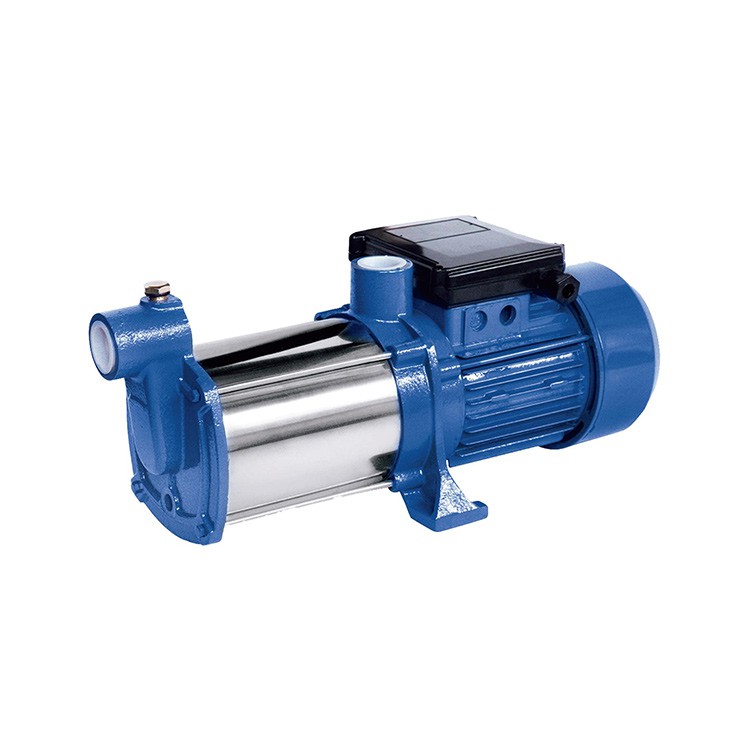
- High Volume Centrifugal Pump: These pumps are ideal for applications that require a large flow rate, such as irrigation systems and water supply for large buildings. Our high-volume centrifugal pumps are designed with a high efficiency impeller and a robust casing to minimize the risk of cavitation.
- Multistage Centrifugal Pumps: Multistage centrifugal pumps are suitable for applications that require a high head, such as boosting water pressure in high-rise buildings. Our multistage centrifugal pumps are designed with multiple impellers to increase the pressure output and reduce the risk of cavitation.
- Cast Iron Centrifugal Pumps: Cast iron centrifugal pumps are known for their durability and reliability. Our cast iron centrifugal pumps are designed with a thick casing and a high-quality impeller to withstand the harsh conditions of home use and prevent cavitation.
Conclusion
Preventing cavitation in a centrifugal pump for home use is essential for ensuring the longevity and optimal performance of your pump. By understanding the factors contributing to cavitation and implementing the prevention strategies outlined in this blog post, you can minimize the risk of cavitation and avoid costly repairs or replacement.
At our company, we are committed to providing high-quality centrifugal pumps for home use that are designed to prevent cavitation and provide reliable performance. If you have any questions or need assistance in selecting the right pump for your application, please do not hesitate to contact us. We look forward to the opportunity to discuss your pump requirements and help you find the best solution.
References
- Karassik, I. J., Messina, J. P., Cooper, P., & Heald, C. C. (2008). Pump Handbook. McGraw-Hill Professional.
- Stepanoff, A. J. (1957). Centrifugal and Axial Flow Pumps: Theory, Design, and Application. Wiley.
- Hydraulic Institute. (2012). ANSI/HI 9.6.1-2012 Rotodynamic Pumps - Guideline for NPSH Margin.