

Hey there, garden enthusiasts! I'm [Your Name], and I run a garden pump supply business. We're all about making sure you have the best equipment for your gardening needs, whether it's a Garden Jet Pump, an Electric Garden Pump, or a Cast Iron Garden Pump. Today, I want to chat about something super important: how to operate a garden pump safely.
Before You Start: Preparation is Key
First off, you gotta do a quick check of your pump. Look for any visible damage like cracks, leaks, or loose parts. If you spot anything funky, don't use the pump right away. It's like if you had a flat tire on your car; you wouldn't just drive off, right? You'd fix it first. The same goes for your garden pump. Check the power cord if it's an electric one. Make sure it's not frayed or damaged. A damaged cord can be a major safety hazard, like a ticking time bomb.
Next, pick the right spot for your pump. It should be on a flat, stable surface. You don't want it wobbling around while it's running. And keep it away from water sources other than the one it's supposed to be pumping from. Water and electricity don't mix well, as we all know. Also, make sure there's enough space around the pump for proper ventilation. If it gets too hot, it can break down or even cause a fire.
Installation: Do It Right
When you're installing your garden pump, follow the instructions that come with it. They're there for a reason, trust me. If you're not sure about something, don't just wing it. Look online for tutorials or give us a shout. We're always happy to help.
Connect the hoses properly. Make sure they're tightly attached to the pump and the water source. A loose hose can cause leaks, which can not only waste water but also damage your pump. And don't forget to prime the pump if it needs it. Priming is basically filling the pump with water to get it ready to work. Some pumps do this automatically, but others need a little help from you.
Operating the Pump: Safety First
Once your pump is all set up, it's time to turn it on. But before you do, double - check everything one more time. Then, start it up slowly. Don't just yank the switch and expect it to work perfectly right away. Let it build up speed gradually.
While the pump is running, keep an eye on it. Listen for any strange noises. If it sounds like it's grinding or rattling, turn it off immediately. That could be a sign of a problem inside the pump. Also, watch the pressure gauge if your pump has one. If the pressure is too high or too low, it could be an issue.
Don't touch the pump while it's running, especially the moving parts. It might seem obvious, but you'd be surprised how many people forget this simple rule. Your fingers or clothes could get caught in the pump, and that's a recipe for disaster.
Maintenance: Keep It in Good Shape
Regular maintenance is crucial for the safe operation of your garden pump. Clean the pump regularly to remove any dirt or debris. This will help it run more efficiently and prevent clogs. Check the filters if your pump has them. A clogged filter can make the pump work harder than it should, which can lead to overheating and damage.
Change the oil if it's a pump that requires oil. Just like a car engine, the oil in your pump needs to be fresh to keep everything running smoothly. And don't forget to lubricate the moving parts as recommended by the manufacturer.
Shutting Down the Pump: The Right Way
When you're done using the pump, don't just turn it off and walk away. First, turn off the power switch. Then, disconnect the hoses carefully. Let the pump cool down completely before you do anything else. This will prevent any damage to the pump from sudden temperature changes.
Store the pump in a dry, safe place. If it's going to be a while before you use it again, drain the water from the pump to prevent freezing in cold weather. Frozen water can expand and crack the pump, which is a real pain to fix.
Dealing with Emergencies
Even if you follow all the safety rules, emergencies can still happen. If there's a fire, turn off the power to the pump immediately and use a fire extinguisher if you have one. Make sure it's the right type of extinguisher for an electrical fire.
If someone gets injured by the pump, call for medical help right away. And try to keep the area safe until the medical professionals arrive.

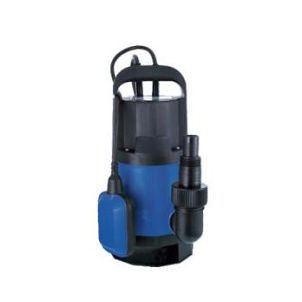
Why Safety Matters
Operating your garden pump safely isn't just about protecting yourself. It's also about protecting your investment. A well - maintained, safely operated pump will last longer and save you money in the long run. You won't have to keep buying new pumps because you took good care of the one you have.
Plus, a safe garden pump means a more enjoyable gardening experience. You can focus on making your garden look beautiful instead of worrying about potential accidents.
Let's Connect
If you're in the market for a new garden pump or have any questions about the ones we offer, like the Garden Jet Pump, Electric Garden Pump, or Cast Iron Garden Pump, don't hesitate to reach out. We're here to help you find the perfect pump for your needs and make sure you know how to use it safely.
References
- Manufacturer's manuals for garden pumps
- Safety guidelines from relevant industry standards