

Hey there! As a supplier of centrifugal pumps, I've seen firsthand how important it is to keep these machines running smoothly for as long as possible. In this blog post, I'm gonna share some tips on how to extend the life expectancy of a centrifugal pump.
1. Proper Installation
First things first, getting the installation right is crucial. A poorly installed pump can lead to all sorts of problems down the line. Make sure the pump is mounted on a stable foundation. If it's vibrating too much during operation, it can cause premature wear and tear on the components.
Also, pay attention to the piping. The pipes should be properly aligned with the pump inlet and outlet. Any misalignment can create stress on the pump shaft and seals. And don't forget about the support for the pipes. They need to be adequately supported to prevent excessive movement that could transfer to the pump.
2. Regular Maintenance
Regular maintenance is like giving your pump a check - up. One of the most important aspects is checking the lubrication. For pumps with bearings that require lubrication, make sure you use the right type of lubricant and change it at the recommended intervals. Old or dirty lubricant can cause friction and heat, which can damage the bearings.
Another key part of maintenance is inspecting the seals. Seals prevent leakage of the pumped fluid. Over time, seals can wear out, and if they do, it can lead to fluid loss and even damage to other pump components. Replace worn - out seals as soon as you notice any signs of leakage.
You should also clean the pump regularly. Debris and dirt can accumulate inside the pump, especially in the impeller and volute. This can reduce the pump's efficiency and cause additional stress on the motor. Use a suitable cleaning solution and follow the manufacturer's instructions for cleaning.
3. Correct Operation
How you operate the pump matters a lot. Don't run the pump outside its recommended operating range. Each pump has a specific flow rate and pressure range within which it operates most efficiently. Running it at too high or too low a flow rate can cause cavitation, which is the formation and collapse of vapor bubbles in the fluid. Cavitation can damage the impeller and other internal components.
Also, avoid starting and stopping the pump too frequently. Frequent starts and stops can put extra stress on the motor and other electrical components. If possible, use a soft - start device to gradually ramp up the pump's speed when starting.
4. Monitoring and Control
Invest in a good monitoring system. You can use sensors to keep track of things like temperature, pressure, and vibration. An increase in temperature could indicate a problem with the bearings or lubrication. Unusual vibration could be a sign of misalignment or a damaged impeller.
By monitoring these parameters, you can detect potential problems early and take corrective action before they turn into major issues. You can also use control systems to adjust the pump's operation based on the process requirements. For example, if the demand for the pumped fluid decreases, the control system can reduce the pump's speed to save energy and reduce wear.
5. Quality of Components
When it comes to replacing parts, always use high - quality components. Cheaper, low - quality parts may seem like a good deal at first, but they often don't last as long and can cause more problems in the long run. As a centrifugal pump supplier, we offer a wide range of high - quality replacement parts for our pumps.
For example, if you need a new impeller, make sure it's made of the right material and has the correct specifications. A poorly made impeller can not only reduce the pump's performance but also cause imbalance and vibration.
6. Protecting from the Environment
The environment in which the pump operates can have a big impact on its lifespan. If the pump is exposed to corrosive chemicals or a harsh climate, it's important to take steps to protect it.
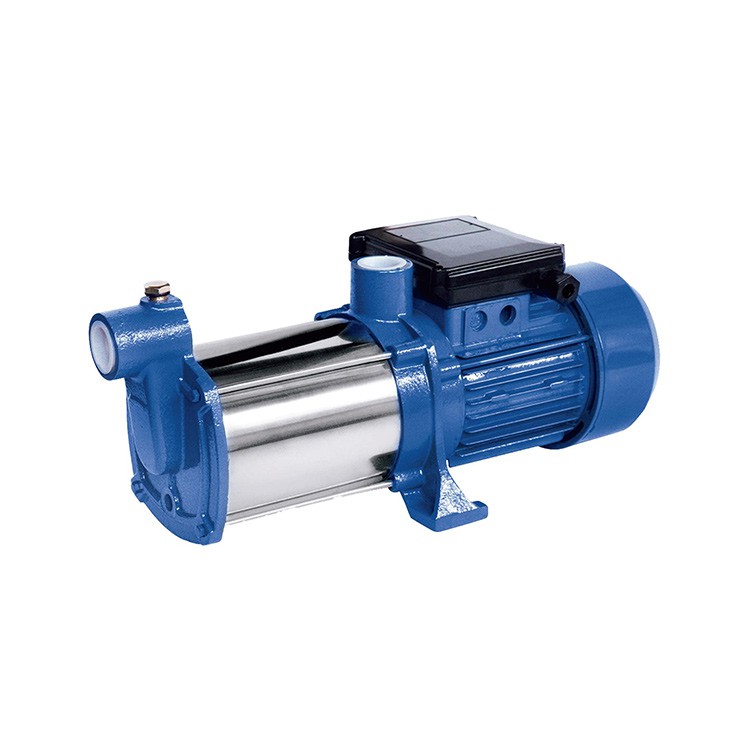
For pumps used in corrosive environments, consider using pumps made of corrosion - resistant materials like stainless steel. Our Stainless Steel Centrifugal Water Pumps are designed to withstand the effects of corrosion and are a great choice for such applications.
If the pump is outdoors, protect it from the elements. You can use a pump shelter or enclosure to shield it from rain, snow, and extreme temperatures.
7. Training for Operators
Make sure your operators are well - trained. They should know how to operate the pump correctly, how to perform basic maintenance tasks, and how to recognize the signs of potential problems. A trained operator can make a big difference in the lifespan of the pump.
Provide regular training sessions to keep the operators updated on the latest operating and maintenance procedures. Encourage them to report any issues they notice during operation immediately.
8. Upgrading and Retrofit
As technology advances, there may be opportunities to upgrade or retrofit your pump. For example, you could install a more energy - efficient motor or a better control system. Upgrading can not only improve the pump's performance but also extend its life.
If you're not sure what upgrades are available for your pump, we can help. As a centrifugal pump supplier, we have the expertise to recommend the best upgrades based on your specific pump model and application.
9. Choosing the Right Pump
At the very beginning, choosing the right pump for your application is essential. Consider factors like the type of fluid you're pumping (is it corrosive, viscous, etc.), the required flow rate, and the pressure.
We offer a variety of centrifugal pumps, including Multistage Centrifugal Pumps for applications that require high pressure, and Standard Centrifugal Pumps for more general - purpose applications. By selecting the right pump from the start, you can avoid many potential problems and ensure a longer lifespan.

Conclusion
Extending the life expectancy of a centrifugal pump requires a combination of proper installation, regular maintenance, correct operation, and using high - quality components. By following these tips, you can get the most out of your pump and save money in the long run.
If you're in the market for a new centrifugal pump or need replacement parts and services, feel free to reach out to us. We're here to help you find the best solutions for your pumping needs.
References
- Pump Handbook, Karassik et al.
- Centrifugal Pump Operation and Maintenance Guide, Manufacturer's Manuals