

Connecting a garden pump to a hose might seem like a daunting task, especially if you're new to gardening or haven't dealt with such equipment before. As a seasoned supplier of garden pumps, I've seen firsthand the confusion and frustration that can come with this process. In this blog post, I'll guide you through the steps to connect a garden pump to a hose effectively, ensuring that you can make the most of your gardening equipment.
Understanding Your Garden Pump
Before you start the connection process, it's crucial to understand the type of garden pump you have. There are various types available in the market, each with its own unique features and requirements.
For instance, a Cast Iron Garden Pump is known for its durability and robustness. It can handle high water pressure and is suitable for large gardens or areas with heavy water usage. On the other hand, Garden Peripheral Pumps are more lightweight and are often used for smaller gardens or for tasks that require less water pressure. And if you're looking to increase the water pressure in your hose, a Garden Hose Water Pressure Pump might be the right choice for you.
Gathering the Necessary Tools
Once you've identified your garden pump, the next step is to gather the necessary tools for the connection. Here's a list of items you'll typically need:
- Garden Hose: Make sure the hose is long enough to reach the area you want to water and is compatible with your pump.
- Hose Clamps: These will help secure the hose to the pump and prevent leaks.
- Teflon Tape: This is used to seal the threads on the pump and hose connections, ensuring a tight fit.
- Wrench: A wrench might be needed to tighten the hose clamps or other connections.
Step-by-Step Guide to Connecting the Garden Pump to the Hose
Now that you have your tools ready, let's dive into the step-by-step process of connecting your garden pump to the hose.
Step 1: Prepare the Pump
First, ensure that the pump is turned off and unplugged from the power source. This is a crucial safety step to prevent any accidents during the connection process. Then, locate the outlet on the pump where the hose will be attached. This is usually marked clearly on the pump.
Step 2: Apply Teflon Tape
Take the Teflon tape and wrap it around the threads of the pump outlet in a clockwise direction. Make sure to wrap it tightly and evenly, covering all the threads. This will create a watertight seal when the hose is connected.
Step 3: Attach the Hose
Take one end of the garden hose and align it with the pump outlet. Carefully screw the hose onto the outlet, turning it clockwise until it is snug. Be careful not to overtighten, as this could damage the threads.

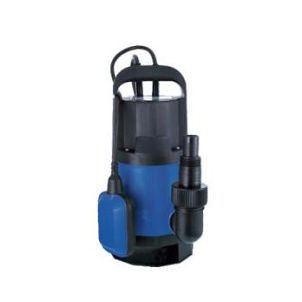
Step 4: Secure the Hose with Clamps
Once the hose is attached, use the hose clamps to secure it in place. Place the clamp around the hose where it connects to the pump and tighten it using a wrench. Make sure the clamp is tight enough to prevent leaks but not so tight that it damages the hose.
Step 5: Check for Leaks
After securing the hose, turn on the pump and let the water flow through the system. Check the connection between the pump and the hose for any signs of leaks. If you notice any leaks, turn off the pump and tighten the hose or the clamp as needed.
Tips for a Successful Connection
- Choose the Right Hose: Make sure the hose you choose is compatible with your pump in terms of size and material. Using the wrong hose can lead to poor performance and leaks.
- Inspect the Hose Regularly: Over time, hoses can develop cracks or holes. Regularly inspect the hose for any signs of damage and replace it if necessary.
- Store the Hose Properly: When not in use, store the hose in a cool, dry place to prevent damage from the elements.
Troubleshooting Common Issues
Even with the best preparation, you might encounter some issues when connecting the garden pump to the hose. Here are some common problems and their solutions:
- Leaks: If you notice leaks at the connection, check the tightness of the hose and the clamp. You might also need to reapply the Teflon tape if the seal has been compromised.
- Low Water Pressure: If the water pressure is low, check the hose for any kinks or blockages. You might also need to adjust the settings on the pump to increase the pressure.
- Hose Won't Connect: If the hose won't connect to the pump, make sure the threads are clean and free of debris. You might also need to check if the hose and the pump are compatible.
Conclusion
Connecting a garden pump to a hose is a relatively simple process that can be done with the right tools and a little bit of know-how. By following the steps outlined in this blog post, you can ensure a successful connection and enjoy the benefits of a well-functioning garden pump.
If you're in the market for a new garden pump or have any questions about the connection process, don't hesitate to reach out. As a leading supplier of garden pumps, we have a wide range of products to suit your needs. Contact us today to start a conversation about your gardening equipment requirements and let's work together to find the perfect solution for your garden.
References
- "Gardening Equipment Handbook" - A comprehensive guide to gardening tools and equipment.
- Manufacturer's manuals for garden pumps and hoses.