

Hey there, fellow garden enthusiasts! As a garden pumps supplier, I've seen my fair share of pumps in various states of cleanliness and disrepair. Cleaning a garden pump isn't just about making it look good; it's crucial for its performance and longevity. In this blog, I'll walk you through the step-by-step process of cleaning a garden pump, so you can keep your green oasis well-hydrated and your pump running smoothly.
Why Clean Your Garden Pump?
Before we dive into the cleaning process, let's talk about why it's so important to clean your garden pump regularly. Over time, dirt, debris, and mineral deposits can build up inside the pump, causing it to work less efficiently. This can lead to reduced water flow, increased energy consumption, and even premature pump failure. By cleaning your pump regularly, you can prevent these issues and ensure that your pump is always operating at its best.
Types of Garden Pumps
There are several types of garden pumps available on the market, each with its own unique features and cleaning requirements. Here are some of the most common types of garden pumps:
- Cast Iron Garden Pump: These pumps are made of cast iron, which makes them durable and resistant to corrosion. They are typically used for larger gardens and can handle higher water volumes.
- Garden Peripheral Pumps: These pumps are designed to be installed above ground and are ideal for smaller gardens. They are typically more affordable than other types of pumps and are easy to install and maintain.
- Garden Jet Pump: These pumps are used to draw water from a well or other water source and are typically more powerful than other types of pumps. They are often used for larger gardens and can handle higher water volumes.
Step-by-Step Guide to Cleaning a Garden Pump
Now that you know why it's important to clean your garden pump and the different types of pumps available, let's get into the step-by-step process of cleaning a garden pump.
Step 1: Turn Off the Power
Before you start cleaning your garden pump, it's important to turn off the power to the pump. This will prevent any electrical accidents from occurring and ensure that you can safely clean the pump.
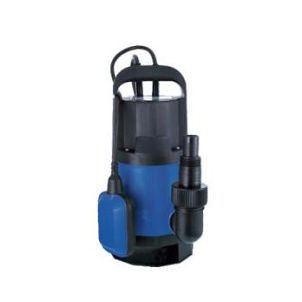

Step 2: Disconnect the Pump
Once you've turned off the power, you'll need to disconnect the pump from the power source and any water hoses or pipes. This will allow you to access the pump and clean it more thoroughly.
Step 3: Remove the Pump Cover
Most garden pumps have a cover that can be removed to access the internal components of the pump. Use a screwdriver or other tool to remove the cover and set it aside.
Step 4: Clean the Pump Housing
Once you've removed the pump cover, you'll be able to see the pump housing. Use a soft brush or cloth to remove any dirt, debris, or mineral deposits from the housing. You can also use a mild detergent and water to clean the housing, but be sure to rinse it thoroughly with clean water afterwards.
Step 5: Clean the Impeller
The impeller is the part of the pump that creates the water flow. Over time, the impeller can become clogged with dirt, debris, and mineral deposits, which can reduce the pump's performance. Use a soft brush or cloth to remove any dirt, debris, or mineral deposits from the impeller. You can also use a mild detergent and water to clean the impeller, but be sure to rinse it thoroughly with clean water afterwards.
Step 6: Clean the Pump Motor
The pump motor is the part of the pump that powers the impeller. Over time, the motor can become dirty and dusty, which can reduce its performance. Use a soft brush or cloth to remove any dirt, debris, or dust from the motor. You can also use a compressed air canister to blow out any dirt or debris that may be stuck inside the motor.
Step 7: Reassemble the Pump
Once you've cleaned all of the internal components of the pump, it's time to reassemble the pump. Replace the pump cover and tighten any screws or bolts that you removed earlier. Reconnect the pump to the power source and any water hoses or pipes.
Step 8: Test the Pump
After you've reassembled the pump, it's important to test it to make sure that it's working properly. Turn on the power to the pump and check for any leaks or unusual noises. If you notice any problems, turn off the power to the pump and check the connections and components again.
Tips for Maintaining Your Garden Pump
In addition to cleaning your garden pump regularly, there are several other things you can do to maintain your pump and ensure that it lasts for a long time. Here are some tips for maintaining your garden pump:
- Use a Water Filter: Installing a water filter on your garden pump can help to prevent dirt, debris, and mineral deposits from entering the pump and clogging the impeller.
- Store the Pump Properly: When you're not using your garden pump, it's important to store it in a dry, protected place. This will prevent the pump from getting damaged by the elements and ensure that it's ready to use when you need it.
- Follow the Manufacturer's Instructions: Every garden pump is different, so it's important to follow the manufacturer's instructions for cleaning and maintaining your pump. This will ensure that you're using the correct cleaning products and techniques and that you're not damaging the pump.
Conclusion
Cleaning a garden pump is an important part of maintaining your garden and ensuring that your pump is always operating at its best. By following the step-by-step guide and tips outlined in this blog, you can keep your garden pump clean and running smoothly for years to come.
If you're in the market for a new garden pump or need any assistance with your existing pump, don't hesitate to contact us. As a garden pumps supplier, we have a wide range of pumps available to suit your needs and budget. We also offer expert advice and support to help you choose the right pump for your garden and ensure that it's installed and maintained correctly.
Let's work together to keep your garden thriving and your pump running smoothly!
References
- Manufacturer's instructions for your garden pump
- Online resources and forums for garden pump owners