

When it comes to selecting the appropriate motor for a centrifugal transfer pump, there are numerous factors to consider. As a seasoned centrifugal transfer pump supplier, I understand the importance of making the right choice to ensure optimal performance, efficiency, and longevity of the pump system. In this blog post, I will share some key considerations and guidelines to help you choose the right motor for your centrifugal transfer pump.
Understanding the Basics of Centrifugal Transfer Pumps
Before delving into motor selection, it's essential to have a basic understanding of centrifugal transfer pumps. These pumps work by converting rotational kinetic energy into hydrodynamic energy to move fluids. They are widely used in various industries, including water treatment, agriculture, chemical processing, and oil and gas, due to their simplicity, reliability, and high efficiency.
Centrifugal transfer pumps typically consist of an impeller, a casing, and a motor. The impeller rotates at high speed, creating a centrifugal force that pushes the fluid outwards from the center of the impeller. The casing then collects the fluid and directs it towards the outlet. The motor provides the power to drive the impeller and maintain the required flow and pressure.
Factors to Consider When Choosing a Motor
1. Power Requirements
The first step in choosing the right motor for a centrifugal transfer pump is to determine the power requirements. This involves calculating the total head (pressure) and flow rate needed to move the fluid from the source to the destination. The total head includes the static head (elevation difference), friction head (losses due to pipe friction), and any additional head required for specific applications, such as filtration or heating.
Once you have determined the total head and flow rate, you can use a pump performance curve to select a pump that can meet these requirements. The pump performance curve shows the relationship between the flow rate and the total head for a specific pump at a given speed. You can then use the pump's power requirement curve to determine the motor power needed to drive the pump at the desired operating point.
2. Speed and Torque
The speed and torque of the motor are also important factors to consider. The speed of the motor should match the required speed of the pump to ensure optimal performance. Most centrifugal transfer pumps are designed to operate at a specific speed, typically between 1,750 and 3,600 revolutions per minute (RPM).
The torque of the motor is the rotational force that it can produce. It is important to choose a motor with sufficient torque to start the pump and overcome any initial resistance, such as the inertia of the impeller and the friction in the bearings. The torque requirements will depend on the size and type of the pump, as well as the operating conditions.
3. Efficiency
Motor efficiency is another crucial factor to consider. An efficient motor will consume less energy and reduce operating costs over the long term. Look for motors with high efficiency ratings, such as those that meet the Energy Star or NEMA Premium standards. These motors are designed to use less electricity while providing the same amount of power as standard motors.
4. Environment and Operating Conditions
The environment and operating conditions in which the pump will be used can also affect the motor selection. For example, if the pump will be used in a hazardous or explosive environment, you will need to choose a motor that is specifically designed for such applications. These motors are typically explosion-proof and meet strict safety standards.
Similarly, if the pump will be exposed to harsh weather conditions, such as extreme temperatures, humidity, or dust, you will need to choose a motor that is rugged and durable. Look for motors with protective enclosures and corrosion-resistant materials to ensure long-term reliability.
5. Type of Motor
There are several types of motors available for centrifugal transfer pumps, each with its own advantages and disadvantages. The most common types of motors include:

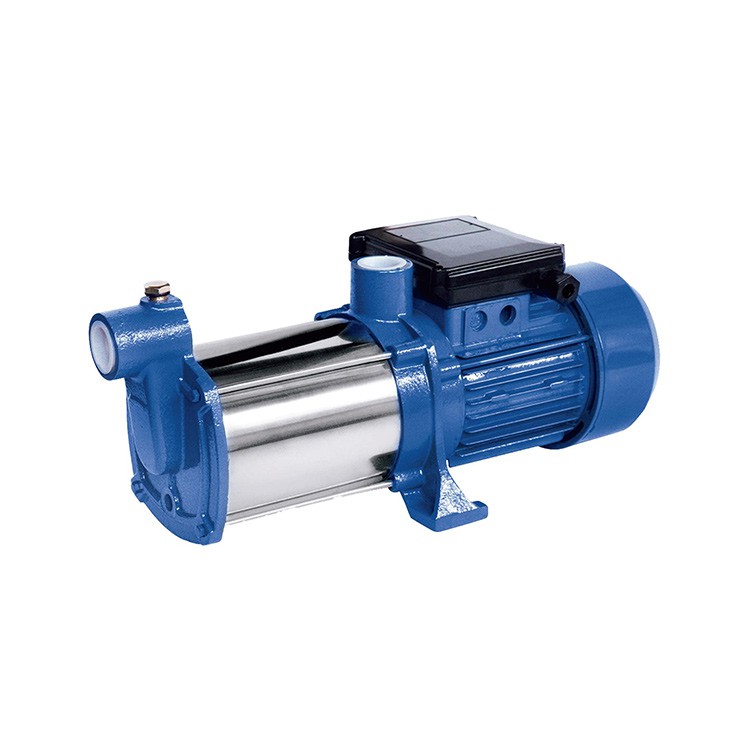
- Single-Phase Motors: These motors are typically used for small to medium-sized pumps and are available in a range of power ratings. They are easy to install and operate and are suitable for applications where the power requirements are relatively low.
- Three-Phase Motors: These motors are more efficient and powerful than single-phase motors and are commonly used for larger pumps. They are also more reliable and have a longer lifespan. Three-phase motors are typically used in industrial applications where high power and continuous operation are required.
- Variable Frequency Drives (VFDs): VFDs are electronic devices that can control the speed and torque of the motor by varying the frequency of the electrical supply. They offer several advantages, including energy savings, improved process control, and reduced wear and tear on the motor and pump. VFDs are commonly used in applications where the flow rate or pressure needs to be adjusted frequently.
Types of Centrifugal Transfer Pumps and Their Motor Requirements
1. High Pressure Centrifugal Water Pump
High pressure centrifugal water pumps are designed to generate high pressures to move water over long distances or to overcome significant elevation differences. These pumps typically require a motor with high power and torque to drive the impeller at high speeds. The motor should also be able to handle the high pressures and temperatures generated by the pump. For more information on high pressure centrifugal water pumps, you can visit our website High Pressure Centrifugal Water Pump.
2. High Volume Centrifugal Pump
High volume centrifugal pumps are used to move large volumes of fluid at relatively low pressures. These pumps typically require a motor with high flow capacity and moderate power. The motor should be able to maintain a consistent flow rate and handle the high volumes of fluid being pumped. For more information on high volume centrifugal pumps, you can visit our website High Volume Centrifugal Pump.
3. Multistage Centrifugal Pumps
Multistage centrifugal pumps are designed to generate high pressures by using multiple impellers in series. These pumps are commonly used in applications where high pressures are required, such as water treatment plants, oil refineries, and power generation facilities. Multistage centrifugal pumps typically require a motor with high power and torque to drive the multiple impellers. The motor should also be able to handle the high pressures and temperatures generated by the pump. For more information on multistage centrifugal pumps, you can visit our website Multistage Centrifugal Pumps.
Conclusion
Choosing the right motor for a centrifugal transfer pump is a critical decision that can have a significant impact on the performance, efficiency, and longevity of the pump system. By considering the factors discussed in this blog post, such as power requirements, speed and torque, efficiency, environment and operating conditions, and type of motor, you can make an informed decision and select a motor that meets your specific needs.
If you have any questions or need further assistance in choosing the right motor for your centrifugal transfer pump, please don't hesitate to contact us. Our team of experts is available to provide you with personalized advice and guidance based on your specific requirements. We look forward to helping you find the perfect motor for your pump system and ensuring its optimal performance for years to come.
References
- "Centrifugal Pumps: Selection, Installation, and Operation" by Igor J. Karassik, Joseph P. Messina, Paul Cooper, and Charles C. Heald
- "Pump Handbook" by Igor J. Karassik, Joseph P. Messina, Paul Cooper, and Charles C. Heald
- "Motor Selection and Application Guide" by Baldor Electric Company