

Hey there! I'm a supplier of Solar Jet Pumps, and today I wanna chat about a super common question: How much water can a solar jet pump deliver per hour?
Let's start with the basics. Solar jet pumps are pretty awesome. They use solar energy to pump water, which is not only eco - friendly but also cost - effective in the long run. You can check out more about Solar Jet Pumps on our website.
The water delivery rate of a solar jet pump per hour can vary a whole lot. There are a bunch of factors that come into play, and I'll break them down for you.
1. Pump Power
The power of the solar jet pump is a major factor. Generally speaking, the more powerful the pump, the more water it can move. A small - scale solar jet pump, say with a power of around 100 - 200 watts, might deliver anywhere from 1 - 3 cubic meters of water per hour. These are great for small gardens or home use, like watering a few flower beds.
On the other hand, if you've got a high - power solar jet pump, maybe 500 watts or more, it can deliver 5 - 10 cubic meters of water per hour or even more. These are used for larger agricultural fields or industrial applications where a lot of water is needed.
2. Solar Panel Efficiency
The solar panels that power the jet pump also matter a great deal. If the solar panels are highly efficient, they can convert more sunlight into electricity. This means the pump can run at its optimal capacity, delivering more water. For instance, if you have a pump that's designed to work with high - efficiency solar panels and you use low - efficiency ones instead, the pump might not run at full power, and the water delivery rate will drop.
Let's say you've got a pump that's supposed to deliver 5 cubic meters of water per hour under ideal solar conditions. But if your solar panels are only operating at 60% efficiency instead of the expected 80%, the water delivery rate could drop to around 3 - 4 cubic meters per hour.
3. Water Source Depth
The depth of the water source is another crucial factor. If the water is close to the surface, the pump doesn't have to work as hard to lift it. For example, if the water is just a meter or two below the surface, a relatively low - power pump can still deliver a decent amount of water. But if the water source is deep, say 10 meters or more, the pump has to overcome more resistance to lift the water. This means it'll use more energy, and the water delivery rate might decrease.
A pump that can deliver 3 cubic meters of water per hour from a shallow well might only be able to deliver 1 - 2 cubic meters per hour from a deep well.
4. Pipe Diameter and Length
The diameter and length of the pipes used to transport the water also impact the delivery rate. If the pipes are too narrow, the water flow will be restricted. And if the pipes are too long, there'll be more friction, which also slows down the water flow.
For example, if you use a 25 - millimeter diameter pipe instead of a 50 - millimeter one, the water delivery rate can be significantly reduced. Similarly, if you have a long pipe run, say 50 meters or more, the pump has to work harder to push the water through, and the amount of water delivered per hour will go down.
Comparison with Other Solar Pumps
It's also interesting to compare solar jet pumps with other types of solar pumps, like Solar Centrifugal Pumps and Solar Peripheral Pumps.
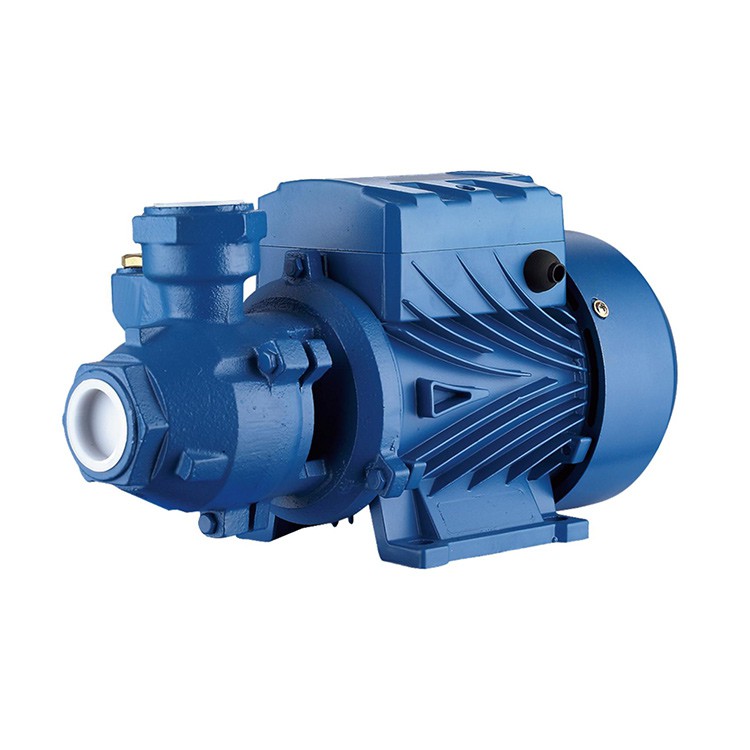

Solar centrifugal pumps are known for their high - flow rates. They can usually deliver a larger volume of water per hour compared to solar jet pumps, especially when dealing with large - scale applications. However, they might require more power to operate.
Solar peripheral pumps, on the other hand, are more suitable for low - head applications. They can be quite efficient for small - scale water transfer but might not deliver as much water per hour as a high - power solar jet pump in some cases.
Real - World Examples
Let's look at some real - world scenarios. Suppose you have a small farm with a 300 - watt solar jet pump. The water source is a well that's about 5 meters deep, and you're using 50 - millimeter diameter pipes that are 20 meters long. Under good sunlight conditions, this pump might deliver around 4 - 5 cubic meters of water per hour. This is enough to irrigate a small area of crops.
Now, if you upgrade to a 500 - watt pump and improve the solar panel efficiency, you could see the water delivery rate increase to 6 - 8 cubic meters per hour. This would allow you to irrigate a larger area of your farm.
Tips for Maximizing Water Delivery
If you want to get the most out of your solar jet pump in terms of water delivery per hour, here are some tips:
- Choose the Right Pump: Make sure you select a pump with the right power for your needs. Consider the size of the area you need to water and the depth of the water source.
- Use High - Efficiency Solar Panels: Invest in good - quality solar panels to ensure the pump gets enough power.
- Optimize Pipe Setup: Use the right diameter and length of pipes to minimize friction and ensure smooth water flow.
Conclusion
So, as you can see, the amount of water a solar jet pump can deliver per hour depends on multiple factors. It can range from just a couple of cubic meters for small - scale pumps to 10 cubic meters or more for high - power ones.
If you're interested in purchasing a solar jet pump or have any questions about how much water it can deliver for your specific situation, feel free to reach out. We're here to help you find the perfect pump for your needs and ensure you get the best water delivery rate possible.
References
- General knowledge about solar pumps from industry experience
- Technical specifications of solar jet pumps from manufacturers' manuals