

As a supplier of Solar Deep Well Pumps, I often get asked by customers whether solar deep well pumps require regular maintenance. The short answer is yes, but the frequency and type of maintenance can vary depending on several factors. In this blog post, I'll delve into the details of solar deep well pump maintenance, explaining why it's necessary, what kind of maintenance is required, and how often it should be done.
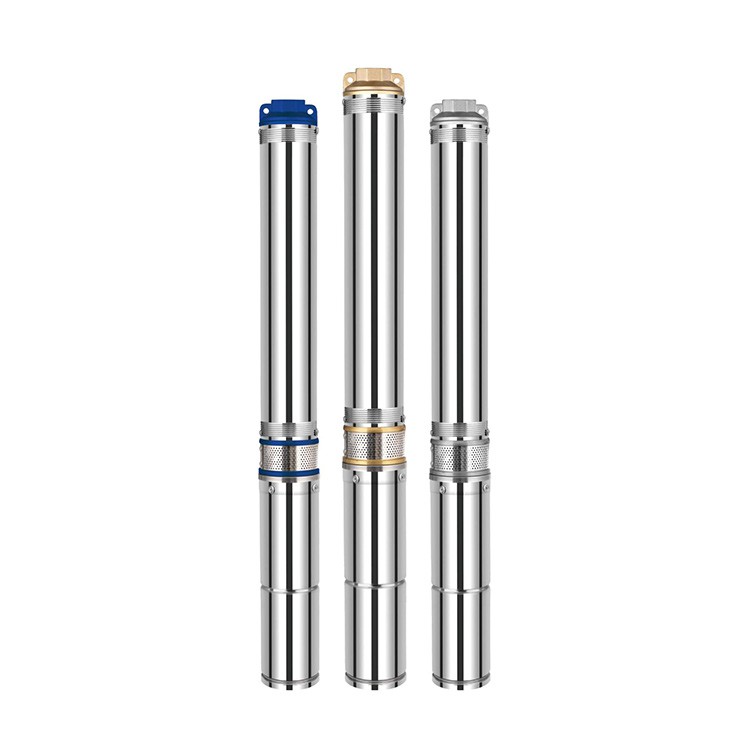

Why Solar Deep Well Pumps Need Maintenance
Solar deep well pumps are a reliable and efficient way to access water from deep underground sources. However, like any mechanical or electrical device, they are subject to wear and tear over time. Regular maintenance helps to ensure that the pump operates at its optimal efficiency, extends its lifespan, and prevents costly breakdowns.
One of the main reasons for maintenance is to keep the pump's components clean and functioning properly. Over time, dirt, sediment, and other debris can accumulate in the pump, causing clogging and reducing its performance. Additionally, the electrical components of the pump, such as the motor and the controller, need to be checked regularly to ensure that they are in good working condition.
Another important aspect of maintenance is to monitor the pump's performance. By keeping track of the pump's flow rate, pressure, and energy consumption, you can detect any potential issues early on and take corrective action before they become major problems.
Types of Maintenance for Solar Deep Well Pumps
There are several types of maintenance that are typically required for solar deep well pumps. These can be broadly categorized into routine maintenance, preventive maintenance, and corrective maintenance.
Routine Maintenance
Routine maintenance involves simple tasks that should be performed regularly to keep the pump in good working condition. This includes checking the pump's physical condition, inspecting the electrical connections, and monitoring the water quality.
- Physical Inspection: Regularly inspect the pump for any signs of damage, such as cracks, leaks, or corrosion. Check the pump casing, the pipes, and the fittings for any visible issues. If you notice any problems, address them immediately to prevent further damage.
- Electrical Connection Check: Inspect the electrical connections to the pump, including the wiring, the connectors, and the controller. Make sure that all connections are tight and free of corrosion. Loose or corroded connections can cause electrical problems, which can lead to pump failure.
- Water Quality Monitoring: Monitor the quality of the water being pumped. High levels of sediment, sand, or other contaminants can cause damage to the pump's components. If the water quality is poor, consider installing a filtration system to protect the pump.
Preventive Maintenance
Preventive maintenance involves more in - depth tasks that are performed at regular intervals to prevent potential problems from occurring. This includes lubricating moving parts, replacing worn components, and testing the pump's performance.
- Lubrication: Some solar deep well pumps have moving parts that require lubrication. Check the pump's manual to determine if lubrication is required and how often it should be done. Using the correct type of lubricant is essential to ensure the proper functioning of the pump.
- Component Replacement: Over time, certain components of the pump, such as the seals, gaskets, and impellers, may wear out. Replace these components at the recommended intervals to prevent leaks and other issues.
- Performance Testing: Periodically test the pump's performance to ensure that it is operating at its optimal level. This can include measuring the flow rate, pressure, and energy consumption of the pump. Compare the test results to the pump's specifications to identify any deviations.
Corrective Maintenance
Corrective maintenance is performed when a problem is detected with the pump. This can range from simple repairs, such as fixing a leak or replacing a faulty component, to more complex overhauls.
- Troubleshooting: When a problem occurs, the first step is to troubleshoot the issue to determine the root cause. This may involve checking the electrical system, the plumbing connections, and the pump's mechanical components.
- Repairs and Replacements: Once the problem has been identified, make the necessary repairs or replacements. If you are not familiar with pump maintenance, it is recommended to seek the help of a professional technician.
How Often Should Solar Deep Well Pumps Be Maintained?
The frequency of maintenance for solar deep well pumps depends on several factors, including the pump's usage, the water quality, and the manufacturer's recommendations.
- Light Usage: If the pump is used infrequently, such as for occasional watering or backup water supply, routine maintenance can be performed every 6 - 12 months. Preventive maintenance tasks, such as lubrication and component replacement, can be done every 1 - 2 years.
- Heavy Usage: For pumps that are used continuously, such as for agricultural irrigation or large - scale water supply, routine maintenance should be performed every 3 - 6 months. Preventive maintenance tasks may need to be done more frequently, every 6 - 12 months.
It's important to note that these are general guidelines, and you should always refer to the pump's manual for specific maintenance recommendations.
Our Role as a Solar Deep Well Pump Supplier
As a supplier of Solar Deep Well Submersible Pump, we are committed to providing our customers with high - quality products and comprehensive support. We offer detailed product manuals and technical support to help you with the installation, operation, and maintenance of your solar deep well pump.
In addition, we can provide you with a range of maintenance services, either directly or by referring you to qualified technicians in your area. Our goal is to ensure that your solar deep well pump operates smoothly and efficiently for many years to come.
Conclusion
In conclusion, solar deep well pumps do require regular maintenance to ensure their optimal performance and longevity. By performing routine maintenance, preventive maintenance, and addressing any issues promptly through corrective maintenance, you can keep your pump in good working condition and avoid costly breakdowns.
If you are in the market for a Solar Powered Water Pumps for Deep Wells, or if you need advice on the maintenance of your existing pump, we are here to help. Contact us today to discuss your requirements and let us assist you in finding the best solution for your water pumping needs.
References
- General literature on solar water pumping systems.
- Manufacturer's manuals for solar deep well pumps.