

In recent years, the demand for sustainable and efficient water treatment solutions has been on the rise, especially in regions facing water scarcity and a high concentration of saline water. One of the most pressing issues is desalination, the process of removing salt and other impurities from seawater or brackish water to make it suitable for human consumption and agricultural use. Solar energy, as a clean and renewable power source, has shown great potential in powering various water treatment technologies. Among these, solar centrifugal pumps have emerged as a promising option. As a supplier of Solar Centrifugal Pumps, I am often asked whether these pumps can be effectively used for desalination processes. In this blog, I will explore this question in detail.
Understanding Solar Centrifugal Pumps
Before delving into their application in desalination, it is important to understand what solar centrifugal pumps are. These pumps are powered by solar panels, which convert sunlight into electricity to drive the pump. Centrifugal pumps work on the principle of centrifugal force. When the impeller inside the pump rotates, it imparts kinetic energy to the water, causing it to move radially outward from the center of the impeller and into the pump casing. This creates a pressure difference that allows the pump to draw in more water from the source and discharge it at a higher pressure.
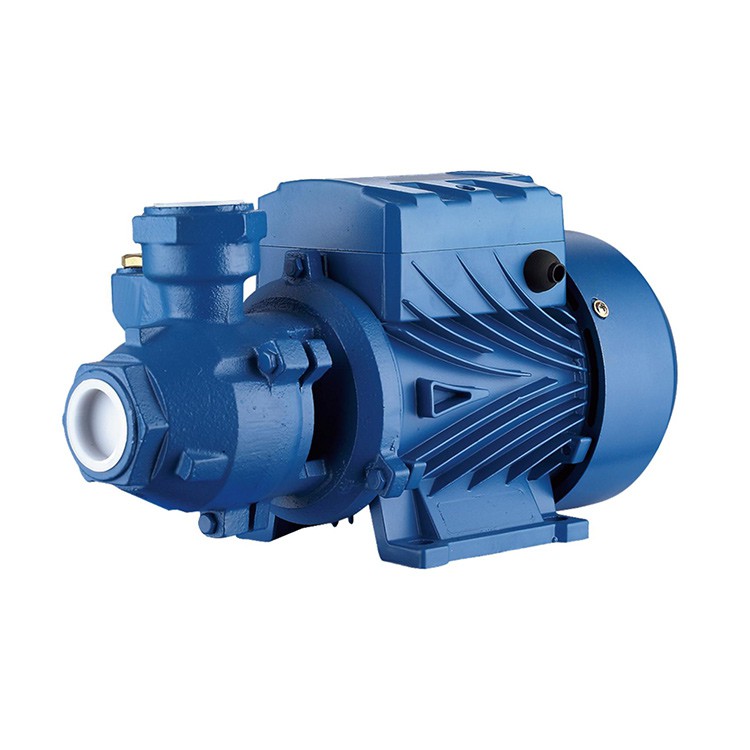

Solar centrifugal pumps offer several advantages. They are environmentally friendly as they rely on solar energy, a renewable resource, which reduces the carbon footprint compared to pumps powered by fossil fuels. They are also cost - effective in the long run, as there are no fuel costs associated with their operation. Additionally, they are relatively easy to install and maintain, making them suitable for remote areas where access to electricity grids may be limited.
The Desalination Process
Desalination can be achieved through various methods, with the two most common being reverse osmosis (RO) and distillation.
Reverse osmosis is a membrane - based process. Seawater or brackish water is forced through a semi - permeable membrane at high pressure. The membrane allows water molecules to pass through while blocking salt and other impurities. This process requires a significant amount of pressure to overcome the osmotic pressure of the saline water.
Distillation, on the other hand, involves heating the saline water to produce steam. The steam is then condensed into pure water, leaving behind the salt and other contaminants. This process requires a large amount of energy to heat the water.
Can Solar Centrifugal Pumps be Used for Desalination?
The answer is yes, but with certain considerations.
In Reverse Osmosis Desalination
In reverse osmosis desalination, high pressure is required to force the water through the semi - permeable membrane. Solar centrifugal pumps can be used to provide part of the required pressure. However, the pressure requirements for RO desalination are quite high, typically in the range of 50 - 80 bar for seawater desalination. Standard solar centrifugal pumps may not be able to generate such high pressures on their own.
To overcome this limitation, multiple solar centrifugal pumps can be arranged in series. When pumps are connected in series, the pressure increases with each additional pump. For example, if a single solar centrifugal pump can generate a pressure of 10 bar, four pumps connected in series can potentially generate a pressure of 40 bar. In some cases, a booster pump may also be used in conjunction with solar centrifugal pumps to reach the required pressure for RO desalination.
Another aspect to consider is the flow rate. The flow rate of the pump needs to be carefully matched with the capacity of the RO membrane. If the flow rate is too high, it may damage the membrane, while a too - low flow rate may result in inefficient operation of the desalination system. Solar centrifugal pumps can be selected based on their flow rate characteristics to ensure optimal performance of the RO desalination system.
In Distillation Desalination
In distillation desalination, solar centrifugal pumps can be used to supply the saline water to the distillation unit. The pump needs to be able to handle the flow rate required by the distillation process. Since the heating process in distillation is energy - intensive, solar energy can also be used to provide part of the heat through solar thermal collectors. Solar centrifugal pumps can be integrated into the overall solar - powered desalination system to ensure a continuous supply of water to the distillation unit.
Advantages of Using Solar Centrifugal Pumps in Desalination
- Sustainability: As mentioned earlier, solar energy is a clean and renewable resource. Using solar centrifugal pumps in desalination reduces the reliance on fossil fuels, which helps in reducing greenhouse gas emissions and mitigating climate change.
- Cost - Efficiency: In areas with abundant sunlight, the operating costs of solar - powered desalination systems can be significantly lower compared to systems powered by grid electricity or diesel generators. Once the initial investment in solar panels and pumps is made, the cost of energy is virtually free.
- Remote Area Application: Solar centrifugal pumps are ideal for desalination plants in remote areas where access to electricity grids is limited. They can be easily installed and operated without the need for extensive infrastructure, making it possible to provide clean water to communities in isolated regions.
Challenges and Limitations
- Pressure Limitations: As discussed, the pressure generated by standard solar centrifugal pumps may not be sufficient for high - pressure desalination processes such as RO. Additional equipment may be required to boost the pressure, which increases the complexity and cost of the system.
- Weather Dependence: Solar centrifugal pumps rely on sunlight, which means their performance is affected by weather conditions. Cloudy days or low sunlight intensity can reduce the power output of the solar panels, resulting in lower pump performance. Energy storage systems, such as batteries, may be needed to ensure continuous operation during periods of low sunlight.
- Corrosion: Seawater is highly corrosive. The materials used in solar centrifugal pumps need to be carefully selected to withstand the corrosive effects of seawater. Stainless steel or other corrosion - resistant materials are often used, but they can increase the cost of the pumps.
Other Solar - Powered Pumps for Desalination
Apart from solar centrifugal pumps, Solar Jet Pumps and Solar Peripheral Pumps can also be considered for desalination applications.
Solar jet pumps are known for their ability to lift water from deeper sources. They can be used in desalination systems where the water source is located at a significant depth. These pumps work by using a jet nozzle to create a high - velocity stream of water, which entrains and lifts the surrounding water.
Solar peripheral pumps, on the other hand, are suitable for applications where a relatively low flow rate and high pressure are required. They can be used in small - scale desalination units or as part of a larger system to provide auxiliary pressure.
Conclusion
Solar centrifugal pumps have the potential to be used in desalination processes, both in reverse osmosis and distillation methods. While they face certain challenges such as pressure limitations and weather dependence, these can be overcome through proper system design and the use of additional equipment. The advantages of using solar centrifugal pumps, including sustainability, cost - efficiency, and suitability for remote areas, make them an attractive option for desalination.
If you are interested in exploring the use of solar centrifugal pumps for your desalination project, or if you have any questions regarding our products, we are here to assist you. Contact us to start a procurement discussion and find the best solution for your water treatment needs.
References
- "Desalination: Principles and Applications" by William A. Anderson
- "Solar - Powered Water Pumps: Technology and Applications" by International Renewable Energy Agency (IRENA)
- "Reverse Osmosis Desalination: Fundamentals and Applications" by Menachem Elimelech and William A. Phillip