

Using a garden pump to fill a fish pond is a practical consideration for many pond owners. As a seasoned supplier of garden pumps, I often encounter questions about the suitability of our pumps for filling fish ponds. This blog will delve into the viability of using garden pumps for this purpose, discussing the types of pumps available, their benefits, potential challenges, and how to choose the right one for your fish pond.
Types of Garden Pumps Suitable for Filling Fish Ponds
When it comes to filling a fish pond, several types of garden pumps can be considered. Each type has its own set of features and capabilities, making them suitable for different scenarios.
Cast Iron Garden Pump
A Cast Iron Garden Pump is a robust option for filling fish ponds. Cast iron is known for its durability, which means it can withstand the rigors of continuous use and various environmental conditions. These pumps are often designed to handle large volumes of water, making them ideal for filling medium to large-sized fish ponds efficiently. They are also relatively easy to install and maintain, which is a significant advantage for both novice and experienced pond owners.
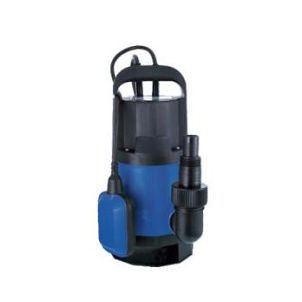
Garden Submersible Pump
The Garden Submersible Pump is another excellent choice. As the name suggests, this type of pump is designed to be submerged in water. This feature allows it to draw water directly from a water source, such as a well or a large container, and pump it into the fish pond. Submersible pumps are typically quieter than their surface counterparts, and they are also more efficient at moving water over longer distances. They are a great option for filling ponds in areas where noise is a concern or when the water source is at a lower level than the pond.
Garden Hose Water Pressure Pump
For smaller fish ponds or when you need to boost the water pressure from an existing garden hose, a Garden Hose Water Pressure Pump can be a practical solution. These pumps are relatively compact and easy to attach to a standard garden hose. They can increase the flow rate and pressure of the water, allowing you to fill the pond more quickly. However, they may not be suitable for very large ponds due to their limited capacity.
Benefits of Using Garden Pumps to Fill Fish Ponds
There are several benefits to using garden pumps to fill fish ponds, making them a popular choice among pond owners.
Efficiency
One of the primary advantages of using a garden pump is its efficiency. Garden pumps are designed to move water quickly and effectively, allowing you to fill your fish pond in a relatively short amount of time. This is especially important if you need to fill the pond for a new installation or after a significant water change.
Cost-Effectiveness
Compared to other methods of filling a fish pond, such as using a water truck or relying on gravity-fed systems, garden pumps are generally more cost-effective. They have a relatively low upfront cost and require minimal ongoing maintenance. Additionally, they can significantly reduce the time and labor required to fill the pond, which can result in further cost savings.
Versatility
Garden pumps are highly versatile and can be used in a variety of settings. They can draw water from different sources, including wells, rain barrels, and municipal water supplies. This flexibility allows you to choose the most convenient and cost-effective water source for your fish pond.
Potential Challenges and Considerations
While using garden pumps to fill fish ponds has many benefits, there are also some potential challenges and considerations that you need to keep in mind.
Water Quality
When filling a fish pond with a garden pump, it is crucial to ensure that the water quality is suitable for fish. Some water sources, such as well water or water from certain natural bodies, may contain impurities, chemicals, or minerals that can be harmful to fish. Before using the pump to fill the pond, it is recommended to test the water quality and, if necessary, treat the water to make it safe for fish.
Pump Size and Capacity
Choosing the right pump size and capacity is essential for efficient pond filling. If the pump is too small, it may take a long time to fill the pond, and it may also struggle to maintain the required water flow. On the other hand, if the pump is too large, it may consume more energy than necessary and could potentially cause damage to the pond or the pump itself. To determine the appropriate pump size, you need to consider the volume of the pond, the distance between the water source and the pond, and the elevation difference.
Maintenance and Durability
Like any other mechanical equipment, garden pumps require regular maintenance to ensure their proper functioning and longevity. This includes tasks such as cleaning the pump, checking the hoses and connections for leaks, and lubricating the moving parts. Additionally, you need to choose a pump that is built to last, especially if you plan to use it frequently.

How to Choose the Right Garden Pump for Your Fish Pond
Choosing the right garden pump for your fish pond can be a daunting task, but with a few key considerations, you can make an informed decision.
Pond Size
The size of your fish pond is one of the most important factors to consider when choosing a garden pump. Larger ponds will require a pump with a higher flow rate and capacity to fill the pond in a reasonable amount of time. As a general rule, you should aim for a pump that can circulate the entire volume of the pond at least once every few hours.
Water Source
The type of water source you plan to use will also influence your pump choice. If you are using a well, you may need a pump that is designed to handle the specific characteristics of well water, such as sediment or high mineral content. If you are using municipal water or a rain barrel, you may have more flexibility in terms of pump selection.
Pump Features
Consider the features that are important to you. For example, if noise is a concern, a submersible pump may be a better option. If you need to boost the water pressure, a garden hose water pressure pump may be the way to go. Additionally, look for pumps with features such as adjustable flow rates, built-in filters, and automatic shut-off to make your pond filling process easier and more convenient.
Conclusion
In conclusion, using a garden pump to fill a fish pond is a viable and practical option for many pond owners. With the right type of pump, carefully considering factors such as water quality, pump size, and maintenance, you can ensure a smooth and efficient pond filling process. As a garden pump supplier, we offer a wide range of high-quality pumps, including Cast Iron Garden Pump, Garden Submersible Pump, and Garden Hose Water Pressure Pump, to meet your specific needs.
If you are interested in purchasing a garden pump for your fish pond or have any questions about our products, please feel free to contact us for a detailed consultation. Our team of experts is always ready to assist you in making the best choice for your pond.
References
- Various industry guides on garden pump selection and maintenance
- Manufacturer specifications and product literature