

Hey there, fellow garden enthusiasts! As a supplier of garden pumps, I often get asked a crucial question: Can garden pumps be used in cold weather? Well, let's dive right into it and find out.
First off, let's understand the basic types of garden pumps we offer. We've got the Garden Hose Water Transfer Pump, which is super handy for moving water around your garden. Then there's the Cast Iron Garden Pump, known for its durability. And of course, the Garden Centrifugal Pumps, which are great for high - volume water transfer.
Now, back to the main question. Using garden pumps in cold weather is possible, but it comes with its own set of challenges. Water freezes at 0°C (32°F), and when water inside the pump freezes, it can cause some serious problems. You see, water expands when it freezes. This expansion can crack the pump housing, damage the impeller, or even break the pipes connected to the pump.
Let's talk about how to use garden pumps safely in cold weather. The first thing you need to do is winterize your pump. If you're not planning to use the pump during the cold months, it's best to drain all the water from it. Start by turning off the power supply to the pump. Then, locate the drain plugs on the pump and open them. Let all the water drain out completely. Make sure to also drain any water from the hoses connected to the pump.
If you need to use the pump in cold weather, you've got to take extra precautions. One option is to use a heated enclosure for the pump. A heated shed or a special pump housing with a built - in heater can keep the pump warm enough to prevent the water from freezing. Another thing you can do is use an anti - freeze solution in the pump system. However, make sure to use a non - toxic anti - freeze that's safe for the environment and won't damage the pump.
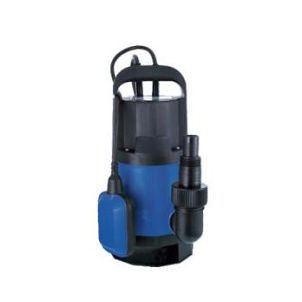

Let's take a closer look at each type of pump and how they fare in cold weather. The Garden Hose Water Transfer Pump is relatively small and easy to handle. But because it's often exposed to the elements, it's more vulnerable to freezing. If you're using this pump in cold weather, keep it in a sheltered area as much as possible. You can also insulate the pump with a thick layer of foam insulation.
The Cast Iron Garden Pump is more robust, thanks to its cast - iron housing. But even this tough guy isn't immune to the effects of freezing water. The cast - iron can crack if the water inside freezes and expands. So, proper winterization is crucial for this type of pump.
The Garden Centrifugal Pumps are often used for larger gardens or for more demanding water - transfer tasks. These pumps usually have more complex internal components. Freezing water can disrupt the flow of water through the impeller and other parts, leading to reduced performance or even complete failure.
Now, let's talk about maintenance. Regular maintenance is key to keeping your garden pump in good shape, especially in cold weather. Check the pump regularly for any signs of damage or wear. Look for cracks in the housing, loose connections, or any other issues. If you notice any problems, fix them right away.
Another important aspect is lubrication. Cold weather can make the moving parts of the pump stiffer. Make sure to lubricate the bearings and other moving parts according to the manufacturer's instructions. This will help the pump run smoothly and reduce the risk of damage.
Let's also consider the power supply. In cold weather, the electrical components of the pump can be affected. The cold can make the wires more brittle, increasing the risk of breaks. Check the power cord for any signs of damage, and make sure it's properly insulated. If you're using an extension cord, make sure it's rated for outdoor use and can handle the power requirements of the pump.
So, to sum it up, yes, garden pumps can be used in cold weather, but you've got to take the right steps to protect them. Winterize your pump if you're not using it, and take extra precautions if you need to use it during the cold months.
If you're in the market for a new garden pump or need some advice on using your existing pump in cold weather, don't hesitate to reach out. We're here to help you make the most of your garden pump, no matter the weather. Whether you're interested in the Garden Hose Water Transfer Pump, the Cast Iron Garden Pump, or the Garden Centrifugal Pumps, we've got you covered.
Contact us today to discuss your garden pump needs and let's work together to keep your garden thriving all year round.
References:
- "Pump Handbook" by Igor J. Karassik et al.
- Manufacturer's manuals for garden pumps