

Can a solar surface water pump be used for water treatment plants? That's a question I've been asked quite a bit lately, especially since I'm a supplier of solar surface water pumps. And let me tell you, the answer is a resounding yes! In this blog, I'll break down why solar surface water pumps are a great fit for water treatment plants and share some real - world benefits.
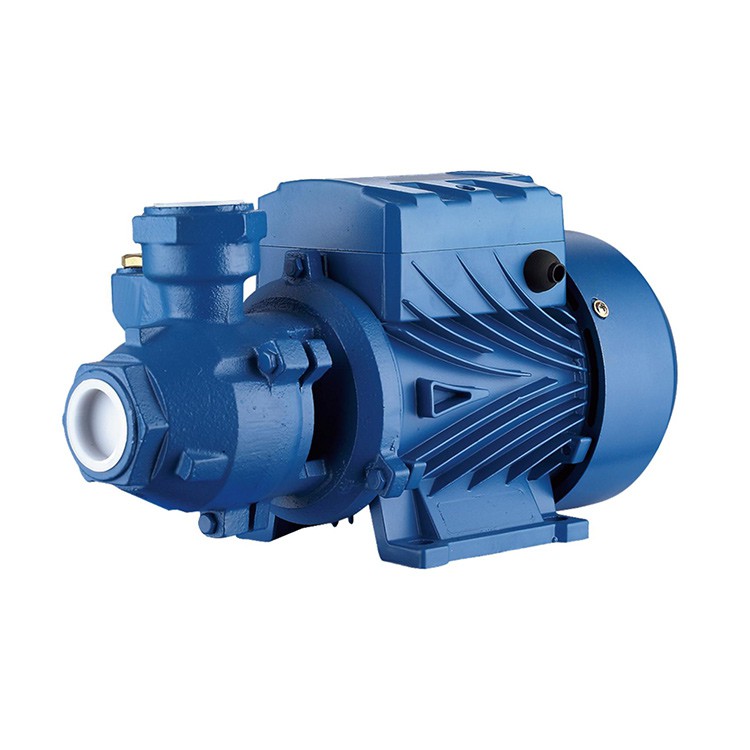
First off, let's talk about what solar surface water pumps are. There are different types, like Solar Jet Pumps, Solar Centrifugal Pumps, and Solar Peripheral Pumps. These pumps are powered by solar energy, which means they use the sun's rays to generate electricity and move water.
One of the biggest advantages of using solar surface water pumps in water treatment plants is cost - savings. Traditional water pumps often rely on grid - electricity or diesel fuel. The cost of electricity can be quite high, and diesel fuel prices are volatile. With solar pumps, once you've made the initial investment in the equipment, the energy source (the sun) is free. Over time, this can lead to significant savings on your energy bills. Water treatment plants usually have to run pumps continuously, and those energy costs can really add up. By switching to solar surface water pumps, you're looking at long - term financial benefits.
Environmental friendliness is another major plus. Water treatment plants are responsible for ensuring clean water for communities, so it makes sense that they should also strive to have a low environmental impact. Solar pumps produce zero greenhouse gas emissions during operation. Unlike diesel pumps that release pollutants into the air, solar pumps quietly and cleanly do their job. This not only helps in meeting environmental regulations but also contributes to a more sustainable future.
When it comes to reliability, solar surface water pumps are up to the task. Modern solar pumps are designed with advanced technology and high - quality components. They are built to withstand various weather conditions and have fewer moving parts compared to some traditional pumps. Fewer moving parts mean less wear and tear, which in turn reduces the need for frequent maintenance. In a water treatment plant, any downtime can be a big problem as it can disrupt the water treatment process. Solar pumps offer a reliable solution that can keep the water flowing smoothly.
Now, let's consider the flexibility of solar surface water pumps. They can be easily installed in different locations. Whether your water treatment plant is in a remote area with no access to the power grid or in an urban setting, solar pumps can be set up. You can place the solar panels in an area where they can get maximum sunlight exposure, and the pump can be connected to the water source. This flexibility allows for a more customized setup based on the specific needs of your water treatment plant.
In terms of performance, solar surface water pumps can handle the demands of water treatment plants. They are capable of pumping large volumes of water at different pressures. For example, in the pre - treatment stage of a water treatment plant, where water needs to be moved from a source like a river or a well to the treatment facility, solar pumps can efficiently do the job. During the filtration and disinfection processes, they can also maintain the required water flow rates.

Another aspect to think about is scalability. As your water treatment plant grows or if you need to upgrade your pumping capacity, solar surface water pumps can be easily scaled up. You can add more solar panels to increase the power output or install additional pumps if necessary. This scalability makes it a great long - term solution for water treatment plants that may experience changes in their water - handling requirements over time.
Let's talk about some real - world examples. There are many water treatment plants around the world that have successfully implemented solar surface water pumps. In some rural areas, small - scale water treatment plants are using solar pumps to provide clean water to local communities. These plants have seen improvements in their operational efficiency and cost - effectiveness. Even in larger, industrial - scale water treatment facilities, solar pumps are being integrated into the existing systems to reduce energy consumption.
However, it's important to note that there are a few things to consider when using solar surface water pumps in water treatment plants. The amount of sunlight in your area is crucial. If you're in a region with long periods of cloudy weather, you may need to have a backup power source or a larger solar panel array to ensure continuous operation. Also, proper sizing of the solar pump system is essential. You need to accurately calculate the water flow rate and pressure requirements of your water treatment plant to choose the right pump and solar panel configuration.
In conclusion, solar surface water pumps are a great option for water treatment plants. They offer cost - savings, environmental benefits, reliability, flexibility, and good performance. Whether you're running a small - scale or a large - scale water treatment facility, these pumps can meet your needs. If you're interested in learning more about how solar surface water pumps can work for your water treatment plant, I'd love to chat. We can discuss your specific requirements and find the best solution for you. Reach out to me, and let's start a conversation about how we can make your water treatment plant more efficient and sustainable.
References
- "Solar Water Pumping Systems: A Guide for Design and Installation"
- Industry reports on renewable energy in water treatment
- Case studies of water treatment plants using solar pumps