

Hey there! As a supplier of Solar Deep Well Pumps, I often get asked if these pumps are really environmentally friendly. Well, let's dive right into it and explore this topic.
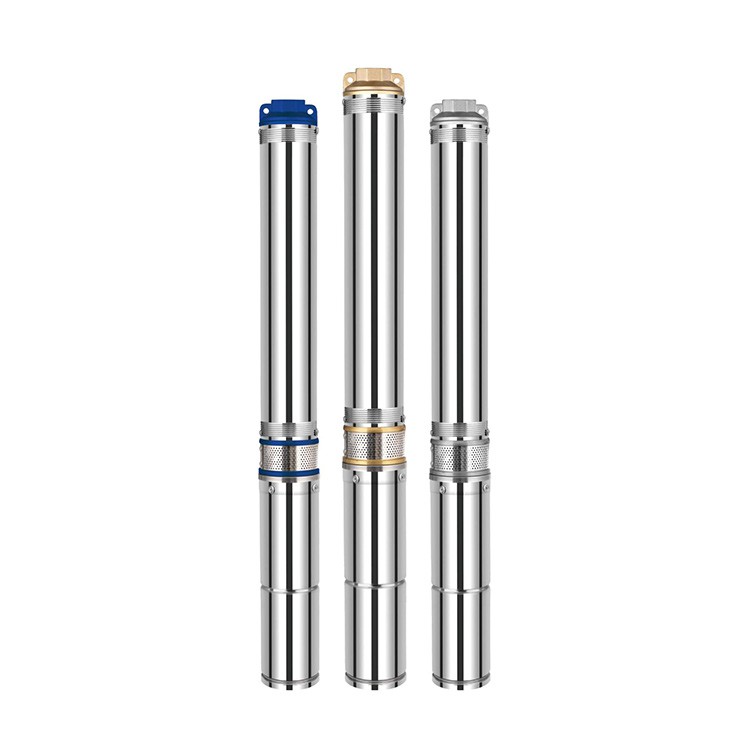

First off, let's talk about what solar deep well pumps are. These pumps use solar energy to draw water from deep underground. They're a type of Solar Deep Well Submersible Pump that's powered by the sun, which means they don't rely on traditional fossil fuels like diesel or gasoline.
One of the biggest environmental benefits of solar deep well pumps is that they produce zero emissions during operation. Unlike pumps that run on fossil fuels, solar pumps don't release harmful pollutants like carbon dioxide, nitrogen oxides, or particulate matter into the atmosphere. These pollutants are major contributors to air pollution, which can have serious health effects on humans and animals, as well as damage the environment.
For example, carbon dioxide is a greenhouse gas that traps heat in the Earth's atmosphere, leading to global warming and climate change. By using solar deep well pumps, we can reduce our carbon footprint and help mitigate the effects of climate change. It's like doing a little bit of good for the planet every time we turn on the pump.
Another great thing about solar deep well pumps is that they're energy-efficient. Solar panels convert sunlight into electricity very efficiently, and modern solar pumps are designed to use that electricity as effectively as possible. This means that they can pump a lot of water using relatively little energy.
Think about it this way: if you have a traditional pump that runs on electricity from the grid, you're relying on power plants that may burn coal, oil, or gas to generate that electricity. These power plants are often not very efficient, and a lot of energy is lost during the generation and transmission process. With a solar deep well pump, you're using clean, renewable energy directly from the sun, which is free and abundant.
Solar deep well pumps also have a low impact on the local environment. They don't require large amounts of land to install, unlike some other renewable energy sources like wind farms or large-scale solar power plants. And because they don't produce any noise or vibration during operation, they won't disrupt the natural habitat or wildlife in the area.
In addition, solar deep well pumps can help conserve water. Many traditional pumps are not very precise in their water delivery, which can lead to over-pumping and water waste. Solar pumps, on the other hand, can be programmed to pump only the amount of water that's needed, based on factors like the water level in the well, the demand for water, and the time of day. This helps to ensure that water is used more efficiently and that there's less waste.
But it's not all sunshine and rainbows. There are a few potential environmental drawbacks to solar deep well pumps that we need to consider. One of the main concerns is the production and disposal of solar panels. Solar panels are made from a variety of materials, including silicon, glass, and metals, and the manufacturing process can be energy-intensive and produce some waste.
However, the good news is that the solar industry is constantly working to improve the sustainability of solar panel production. Many manufacturers are using more recycled materials, reducing the energy consumption during manufacturing, and developing more efficient recycling methods for end-of-life solar panels.
Another potential issue is the need for batteries in some solar deep well pump systems. Batteries are used to store excess electricity generated by the solar panels during the day so that it can be used at night or during cloudy weather. While batteries are an important part of making solar pumps reliable, they can also have environmental impacts.
Batteries typically contain chemicals like lead, lithium, or nickel, which can be harmful if not disposed of properly. However, there are now many options for environmentally friendly batteries, such as lithium-ion batteries, which are more efficient and have a lower environmental impact than traditional lead-acid batteries. And as technology continues to improve, we can expect to see even more sustainable battery solutions in the future.
Overall, I believe that the environmental benefits of solar deep well pumps far outweigh the potential drawbacks. They offer a clean, renewable, and efficient way to pump water from deep wells, and they can play an important role in reducing our reliance on fossil fuels and protecting the environment.
If you're in the market for a Solar Powered Submersible Deep Well Water Pumps, I encourage you to consider the environmental impact of your choice. By choosing a solar deep well pump, you're not only making a smart investment for your water supply needs, but you're also making a positive contribution to the planet.
If you have any questions or want to learn more about our solar deep well pumps, feel free to reach out. We're here to help you find the right solution for your needs and answer any questions you may have. Whether you're a farmer looking to irrigate your crops, a homeowner in need of a reliable water supply, or a business owner with water pumping requirements, we've got you covered.
Let's work together to make the world a cleaner, greener place, one solar deep well pump at a time.
References:
- Various research studies on solar energy and water pumping technology
- Industry reports on the environmental impact of solar panels and pumps